Space science
Discovering a bright star is a million times more massive than the Sun.
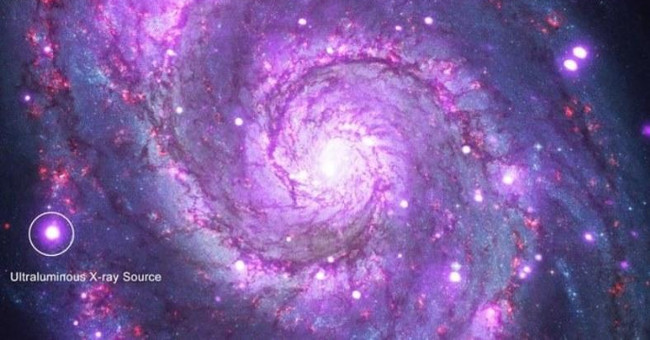
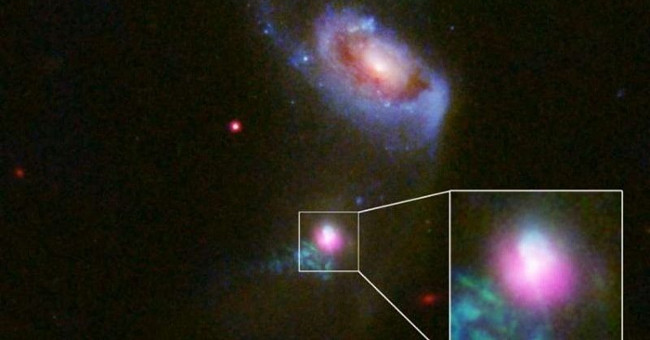
The team found a super-bright X-ray source (ULX) in the Whirlpool galaxy thanks to NASA's telescope.
Browse ScienceInfo articles and explainers related to Galaxy.
954 published items.
The team found a super-bright X-ray source (ULX) in the Whirlpool galaxy thanks to NASA's telescope.

New molecules can form in the wind or energy spill streams from super-heavy black holes at the center of galaxies, according to a theory in a study published in the Jour…
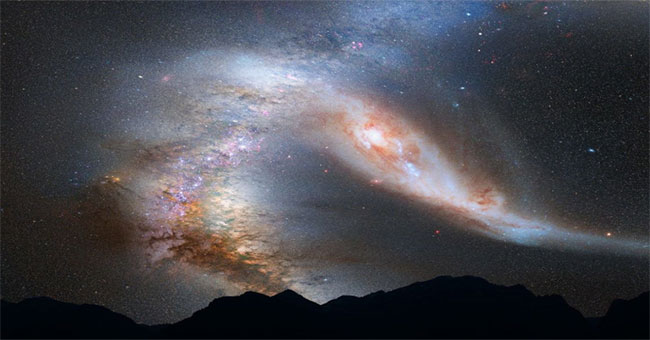
The nearest galaxy is a Fairy that is about the same size as our Milky Way, not two or three times larger than imagined.
The mass of this galaxy is 33 million solar masses. According to the study, the emission lines of Balmer and Fe II of this galaxy show that it is the nature of the NLS1…
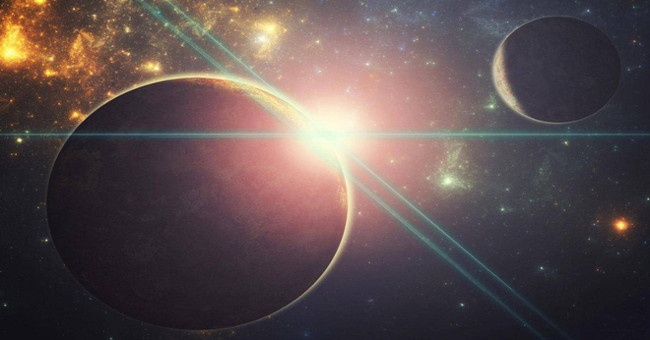
But you probably already know, the universe has a multitude of different galaxies, the Milky Way is just a part of it.
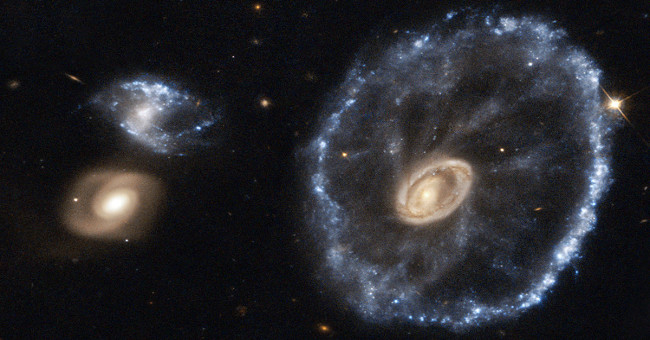
NASA has just released a spectacular, spectacular image of the Cartwheel Galaxy (nicknamed the horse wheel galaxy) in the constellation of Sculptor ... that everyone enj…
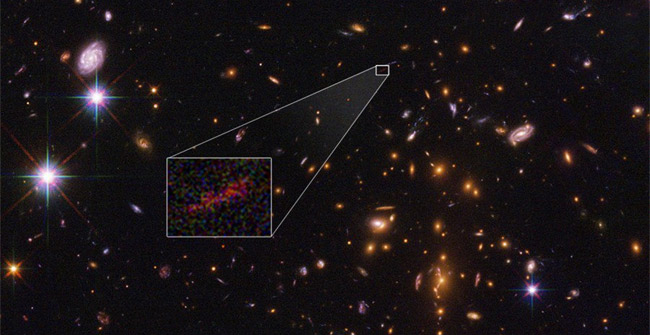
The most distant galaxy in the universe suddenly caught sight of space telescopes. Combine Hubble and Spitzer data and estimate this galaxy to be 13.3. billion years ...…
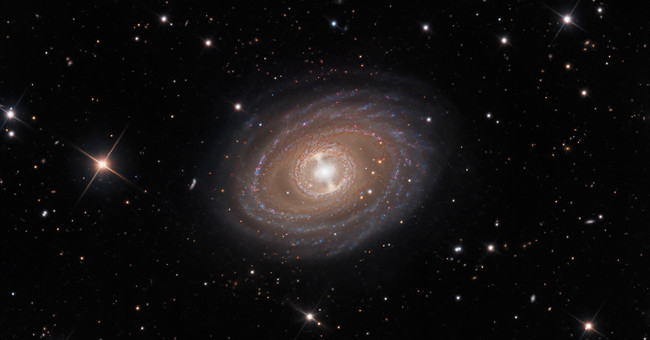
The most impressive and complete moment of the galaxy NGC 1398 has been captured by the satellite device.
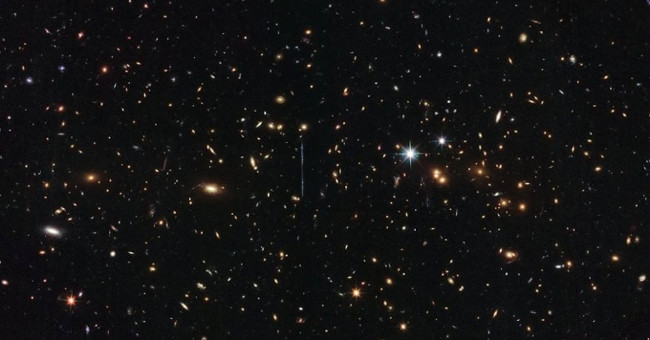
El Gordo in Spanish means
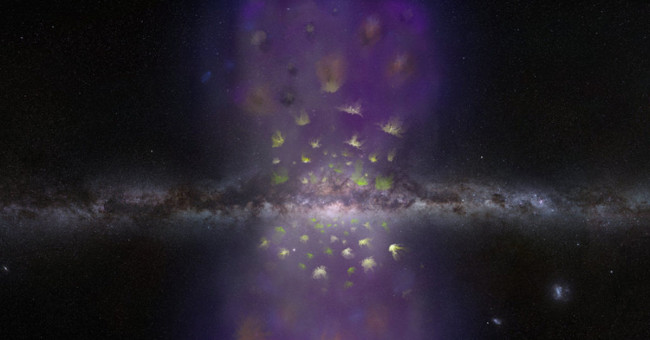
A massive migration of more than 100 gas clouds out of the center of the Milky Way and toward the outer space of the galaxy receives great attention from scientists.
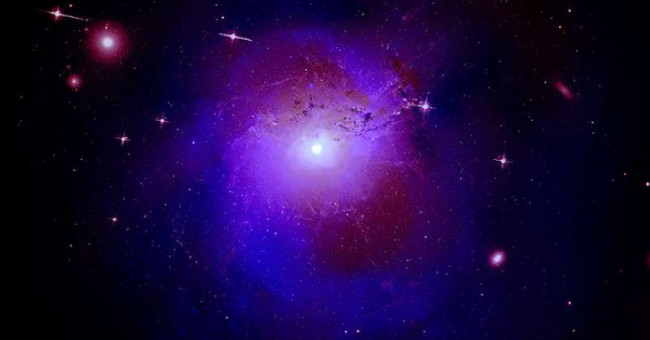
Dark matter is a strange material that does not emit light or energy, but it is thought to produce about 85% of matter in the universe.
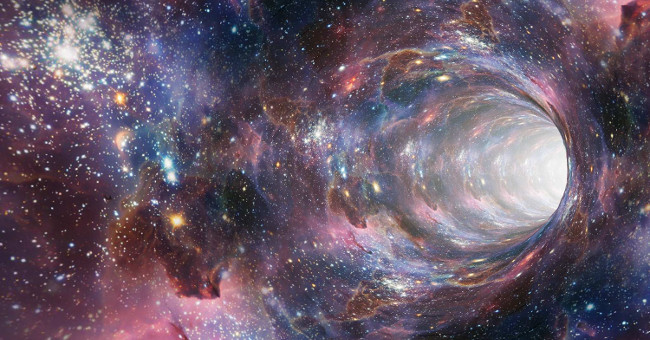
Super black holes and their behavior have long been on the list of mystical spatial phenomena that scientists want to decipher.
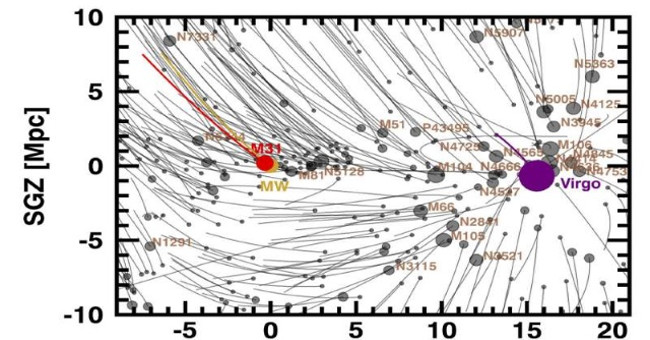
The spatial tracking map of 1400 galaxies has just been published by scientists.
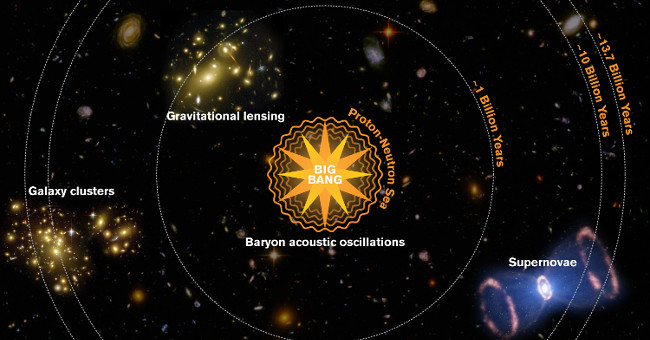
Dark matter was first discovered in 1933, when scientists believed that limiting to visible matter could not explain the movement of stars and galaxies.