Space science
Detection of cosmic
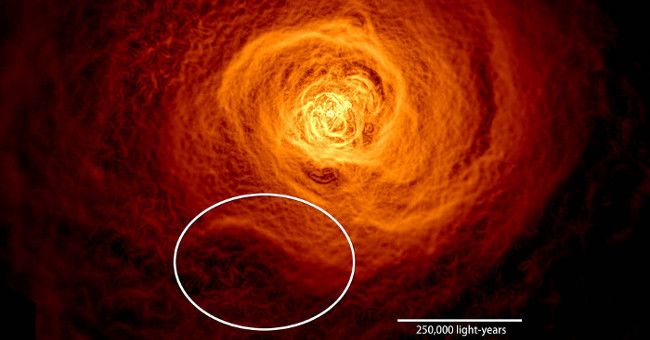
The giant 'tsunami' is such that only one wave can 'submerge' our entire galaxy.
Browse ScienceInfo articles and explainers related to Galaxy.
954 published items.
The giant 'tsunami' is such that only one wave can 'submerge' our entire galaxy.
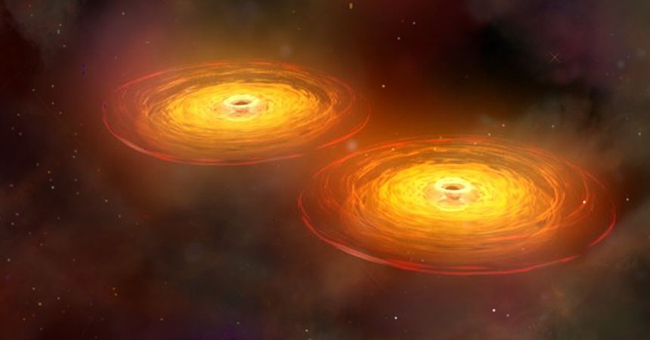
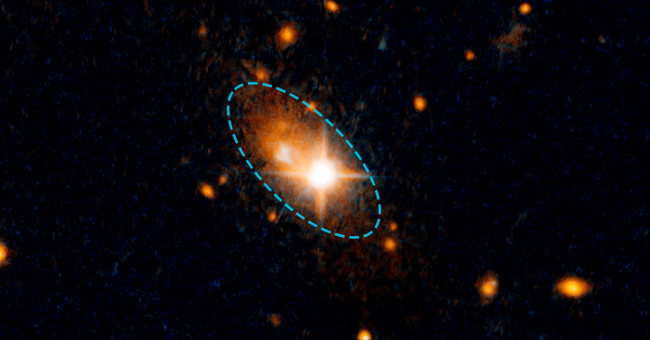
The Hubble Space Telescope has discovered a giant black hole believed to be the largest ever outside the galactic core with a mass of more than 1 billion times the Sun.
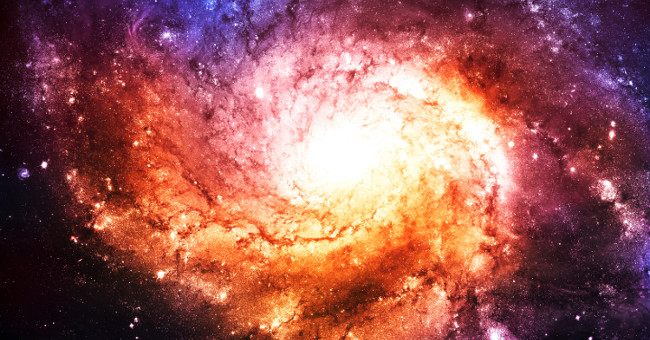
German scientists discovered the largest magnetic field created by collisions between galaxy clusters.

The strange light signal comes from 234 stars in the galaxy, possibly an alien signal, that has been discovered.
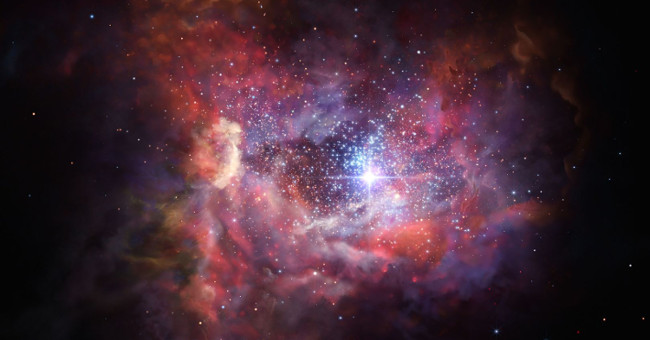
Astronomers have discovered a cloud of sparkling cosmic dust at the age of 4% of the current age of the universe, making it one of the first rays of the universe ever re…
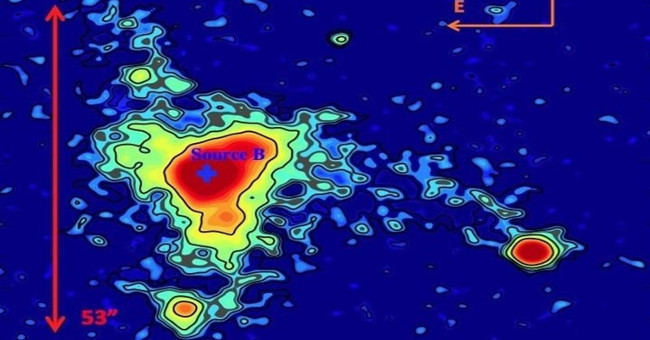
Astronomers have discovered a huge, very bright gas trail drifting freely in the distant universe, and they have not found the reason why it has become so bright.

UGC 12591 - This giant hybrid galaxy is located 400 million light-years from Earth and is one of the largest known galaxies in the universe.
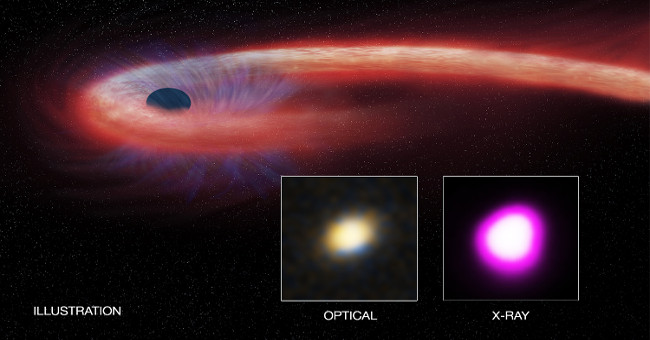
An extremely large cosmic black hole
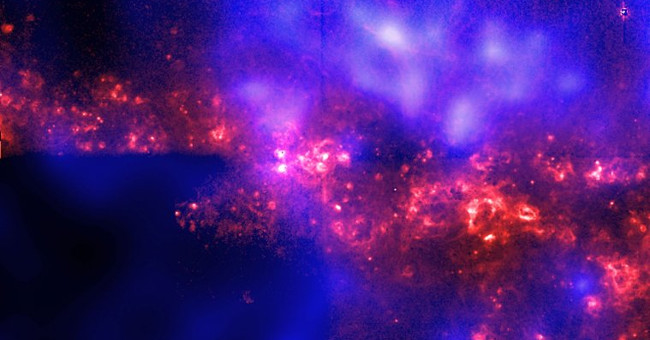
A mysterious space is pushing the Milky Way to move in the universe at more than 2 million km / h.
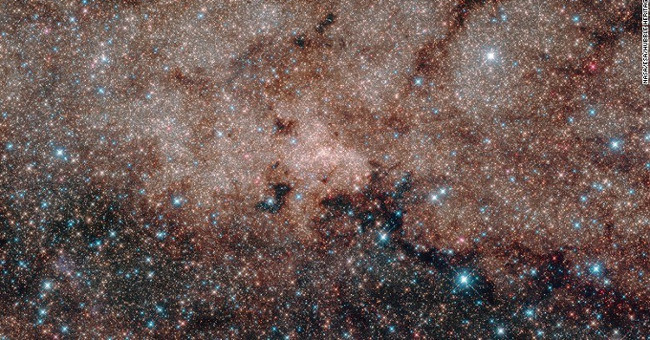
For the past 30 years, researchers have known that this galaxy is moving at a certain speed but they have not been able to find out why.
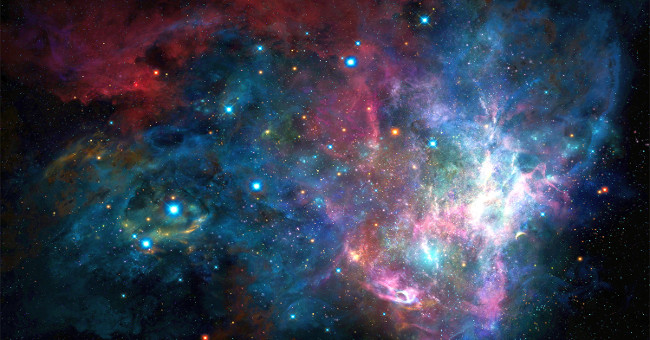
Up to 2 trillion galaxies in the universe can be observed, 10 times more than previously predicted.
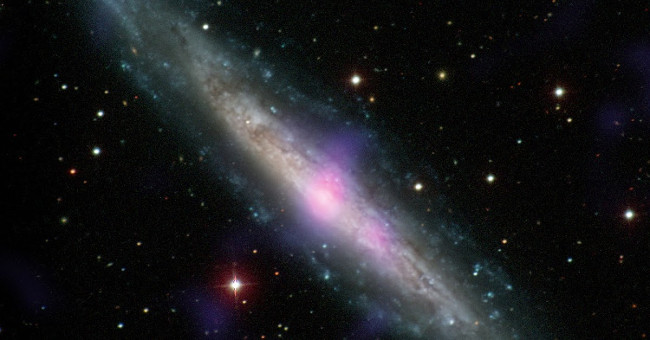
A new study confirms the existence of two supermassive black holes in galaxies near us.
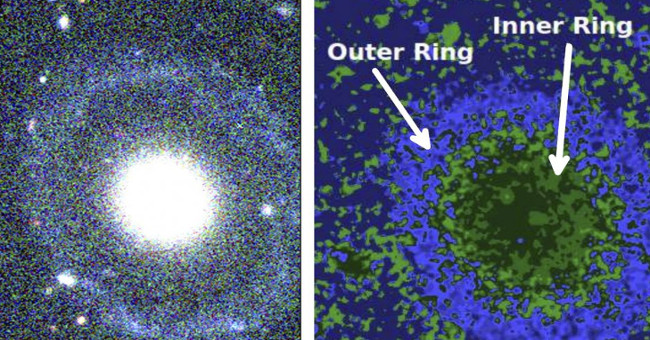
Scientists have discovered a rare galaxy, about 359 million light-years from Earth, that has a unique circular structure that has never been seen before.

According to Canadian scientists, the Milky Way has a mass of about 400 to 580 billion solar masses.