Photo library
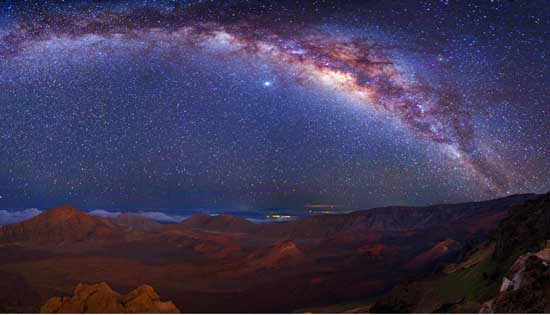
Enter the heart of the Milky Way
Admire the best photos taken by astronomers from around the world to capture the heart of our Milky Way galaxy.
Browse ScienceInfo articles and explainers related to Galaxy.
954 published items.
Admire the best photos taken by astronomers from around the world to capture the heart of our Milky Way galaxy.
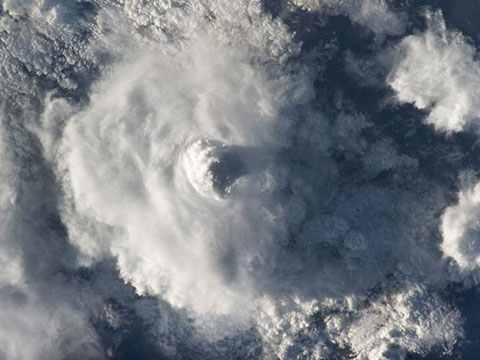
The appearance of a giant cumulus cloud in Colombia's sky is one of the most impressive astronomical scenes of the week.

The water flowing out of the Ural Lake in Central Asia makes this lake look like a small green heart with blood. This is one of the most impressive universe images of th…

Dawn on 'Hill of paint', small swirls in the swamp like a spiral of galaxies or a whirlwind of dust in Africa, ...
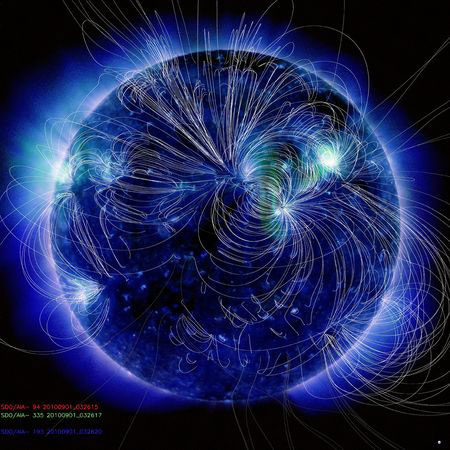
The sun appears with a strange appearance, while the atoll is like a giant blue pearl in the ocean.
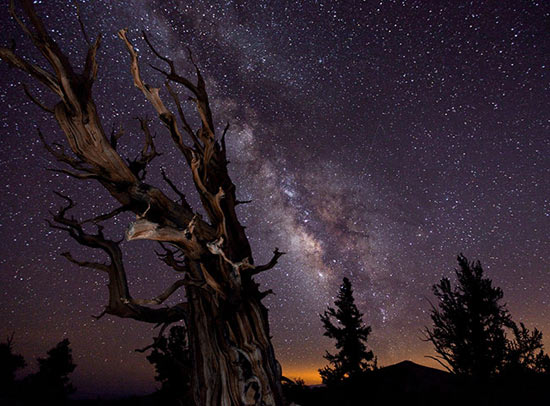
These are the best photos in the astronomical photo composition competition in 2010 at the Greenwich Royal Observatory. Astronomers can participate in this competition.

Sun erupts, sandstorms in China, brilliant spiral galaxies are impressive images of the universe in March.

Hundreds of stars glowing blue, wheel galaxies, butterfly-shaped nebulae are the most beautiful cosmic photos this year.
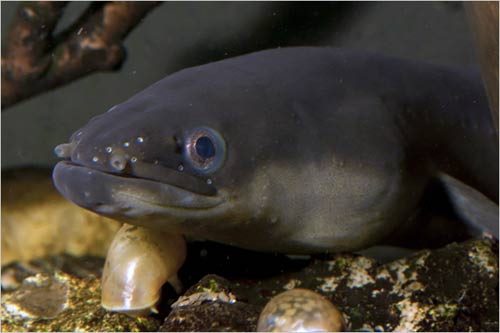
Photos with magnificent beauty sometimes make viewers scare, but these are priceless imprints in the natural mystery opening journey.

The Hubble telescope was launched into space in April 1990 and sent back to Earth amazing images taken in the universe. Here are the best pictures.

Amazing photos of the galaxy through the lens of an American amateur astronomer.
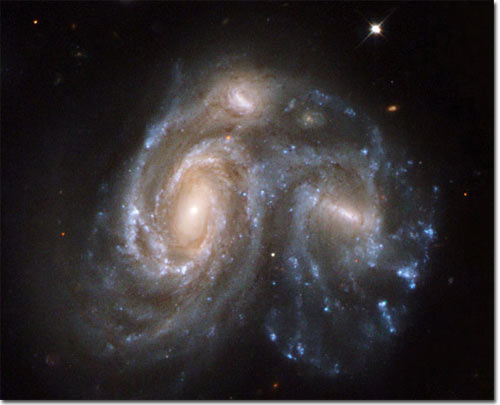
NASA has just announced the largest set of images taken by the new Hubble observatory, showing that the galaxies in the universe are constantly colliding and in many str…

The feature of viewing millions of stars and galaxies of Google Sky brings a mysterious and shimmering world to those who like to enjoy the charming Spiral Galaxy dancin…

Is this a plot to promote Guardians of the Galaxy? When the main character in the video made a giant trap to catch the Rocket Racoon?
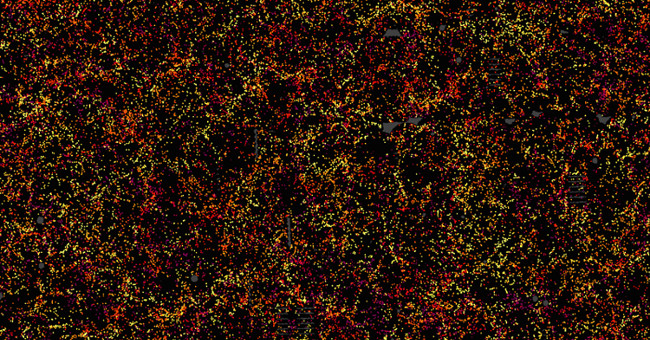
The map covered 650 million light-years of space - equivalent to a quarter of the sky.