
Doomsday
Is it really July 29 for the end of the human world?
A prophetic organization forecasted on July 29, the Earth will experience an intense global earthquake, while stars will also continue to fall on the green planet.
Browse ScienceInfo articles and explainers related to Global.
1,174 published items.
A prophetic organization forecasted on July 29, the Earth will experience an intense global earthquake, while stars will also continue to fall on the green planet.
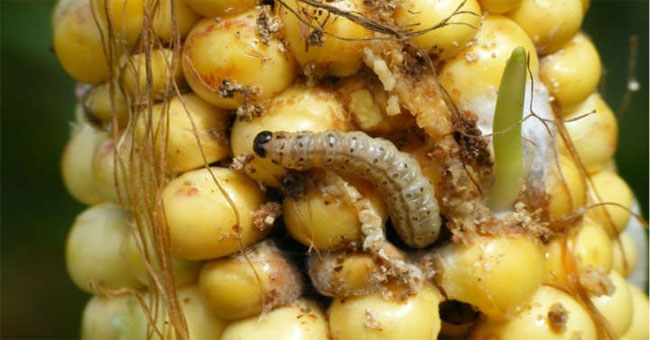
Climate change is really the most serious threat that humanity is suffering from.
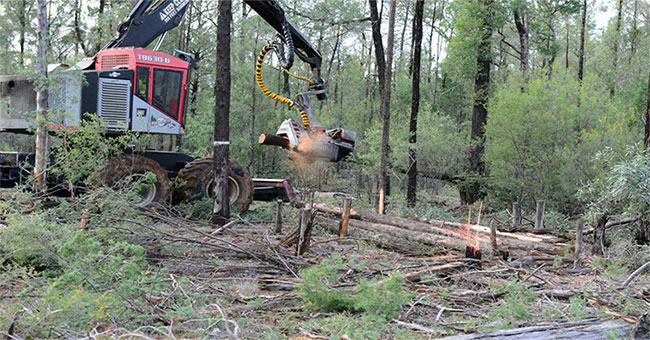
Global Forest Watch, Global Forest Monitoring and Research Institute Global Forest Watch and the University of Maryland (USA) recently released a report that really scar…
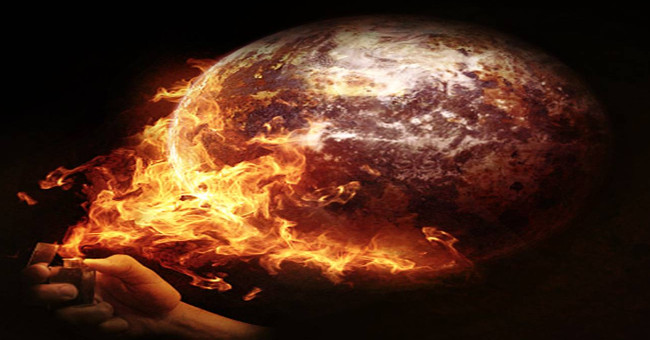
Recently, a team at Northwestern University has identified two proteins in methanotrophic bacteria that can exploit heavy metals from the environment and consume greenho…
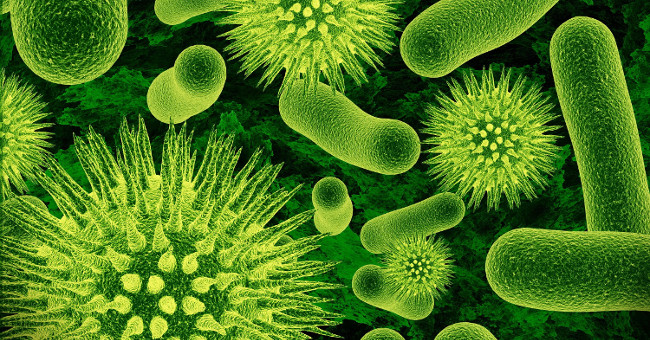
An international team of scientists describes the Global Virome Project (GVP) expected to begin later this year in research letter published in Science magazine on Febru…
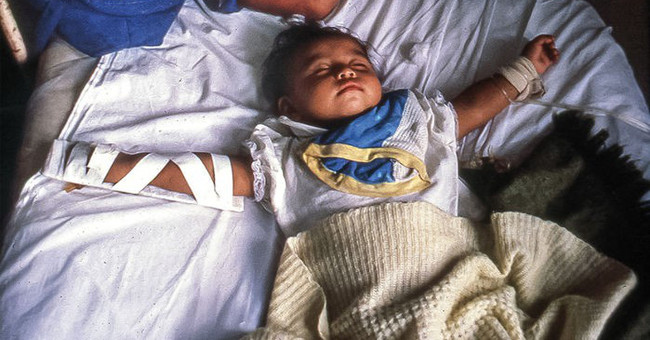
Recent research shows that large cholera outbreaks are caused by bacteria originating in Asia, opening up hope to control the disease globally.
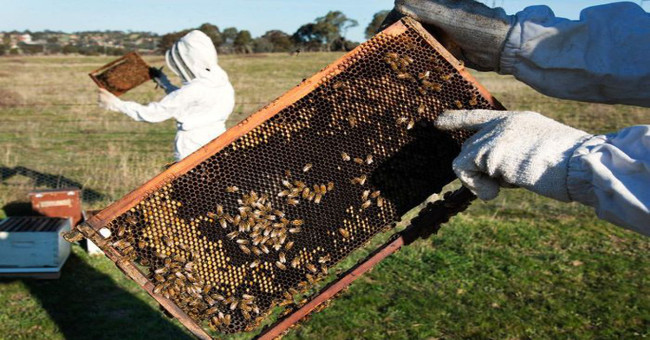
Neonicotinoid insecticides are found in 75% of global honey samples collected, half of which contain a mixture of toxic chemicals.
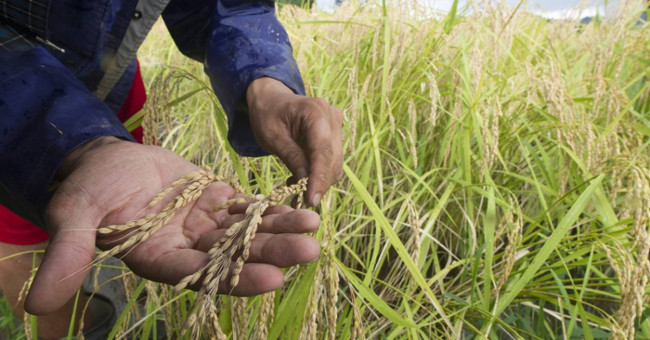
By 2050 there will be 150 million people worldwide are at risk of falling into protein deficiency directly related to the increase in CO2 in the atmosphere.
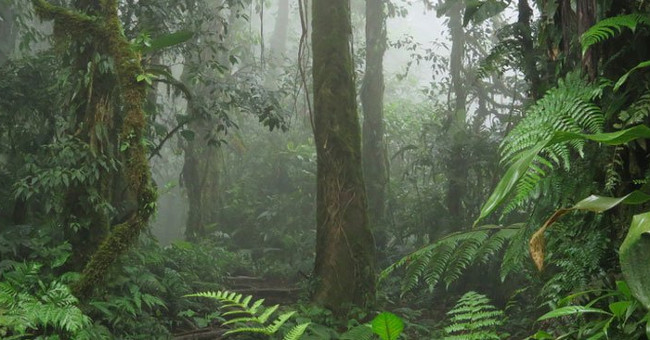
At present, the Earth has about 400,000 species of higher plants. 21% of these are at risk of extinction.
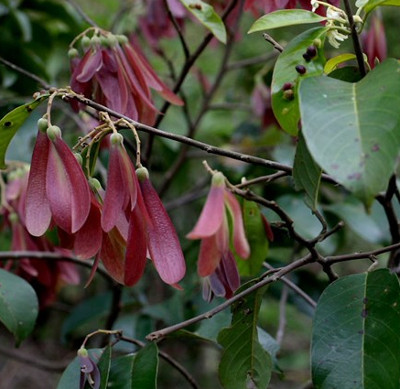
Up to 50% of natural historical specimens stored in museums around the world may be misquoted.
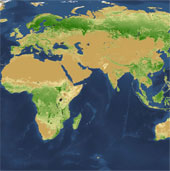
According to a global survey by Yale University (US), since human civilization began, the number of trees on Earth has decreased by half.
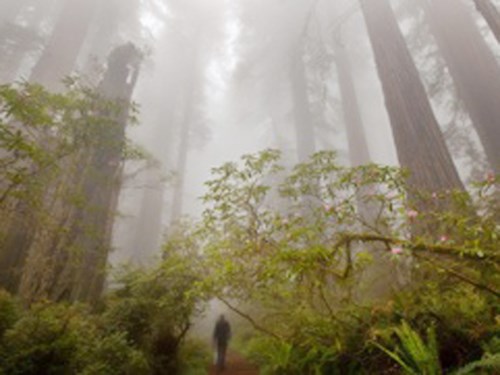
Recently, American scientists have announced that, due to global warming, plants can 'get angry', become dangerous to the atmosphere and to life on the planet in general.

Cyanobacteria, after taking up to 2.5 billion years to adapt to the Earth's biosphere, could pose a global threat in the future.

In an effort to ensure global food security, 10,000 new seeds from around the world were sent to the anti-apocalyptic hatchery in the Arctic.
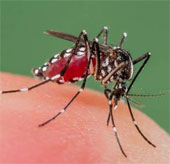
The global war against malaria is seriously threatened by the emergence of drug-resistant malaria parasites in Southeast Asian border areas.