New technology
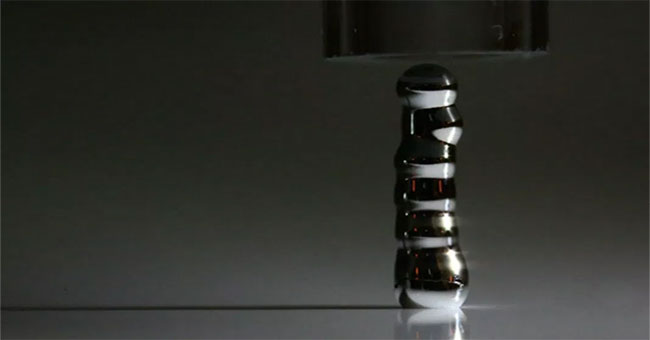
Sound waves help format ultra-small print objects
The research team from Harvard University has succeeded in developing new printing technologies that can control the shape and amount of ink used.
Browse ScienceInfo articles and explainers related to Harvard.
199 published items.
The research team from Harvard University has succeeded in developing new printing technologies that can control the shape and amount of ink used.
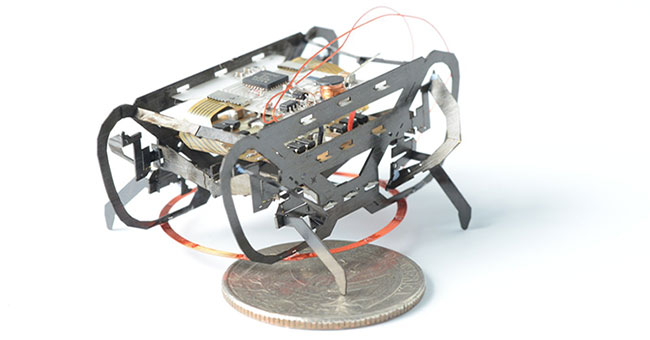
By mimicking cockroaches, the Harvard University team created a 1.5-gram robot that can move across all terrain.
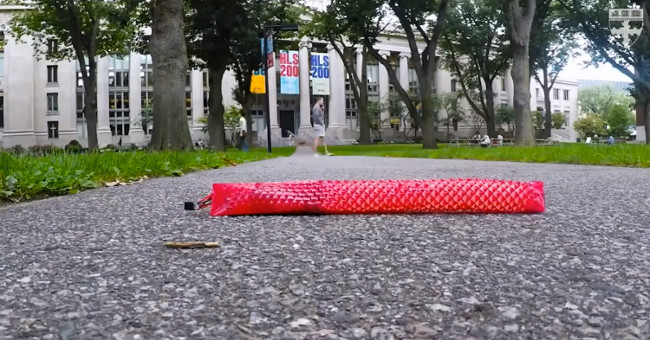
Scientists at Harvard University create a soft, snake-like robot that can crawl, twist or straighten, promising more useful applications, Xinhua reported on Feb. 22.
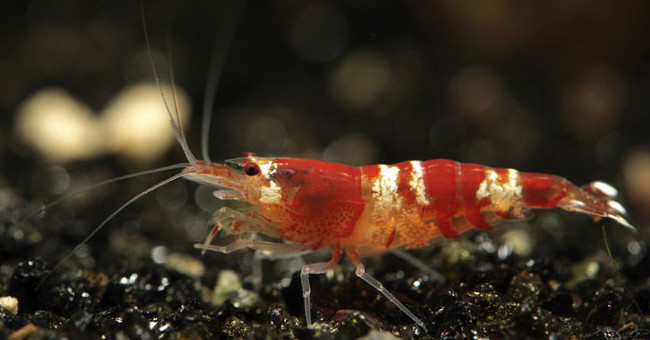
Researchers at Harvard University have created a material named
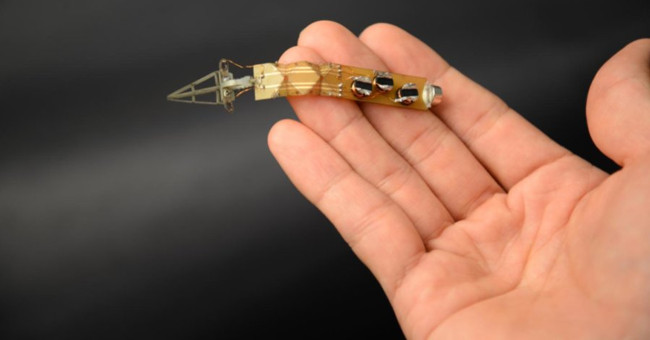
A team of researchers at Harvard University created a battery-free folding robot, capable of complex motion, controlled through a wireless magnetic field.
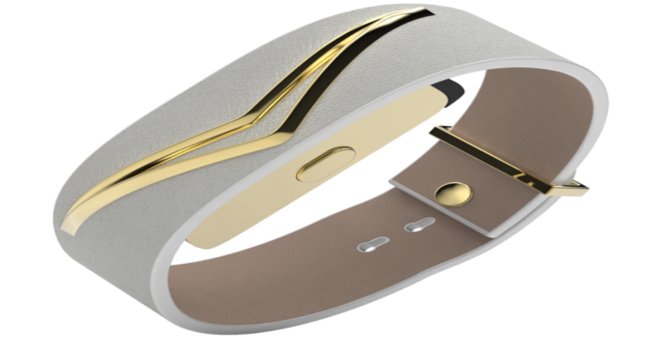
Engineers at the Harvard Business School have created emergency bracelets for people to wear buttons in the event of a crash.
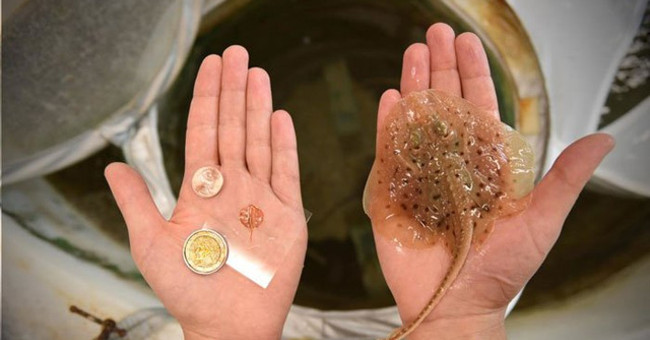
The above robot only uses a single muscle layer, allowing them to expand to mimic the rays of the rays.
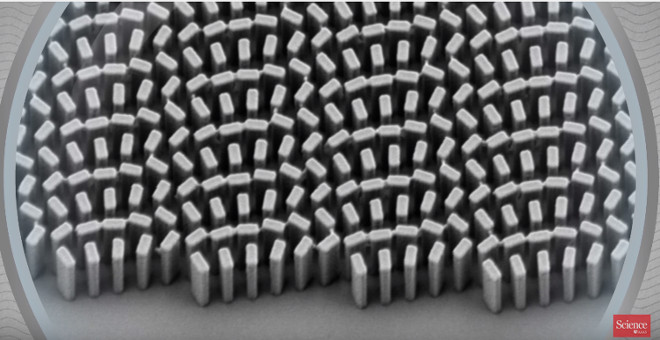
The entire flat structure above is only 2mm thin and according to the Harvard team led by Professor Capasso, this is the smallest size they can create with the available…

People often call plants an energy plant because it has been able to convert endless energy sources from sunlight through photosynthesis over millions of years.

Simulating the behavior of insects in nature, Harvard's micro-robots are considered to be extremely effective spy, search, and rescue.
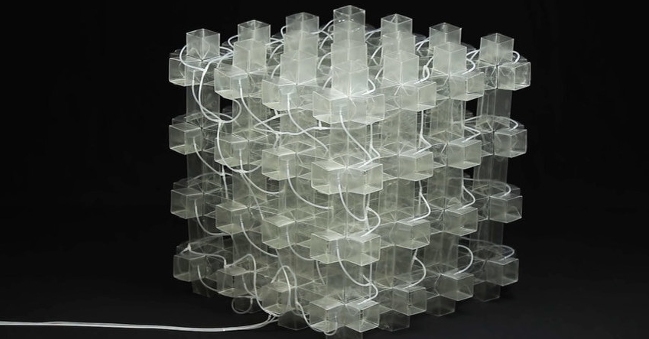
Nano-structure researchers at Harvard University have successfully developed a new material that is capable of zooming in, zooming out and customizing the hardness of on…
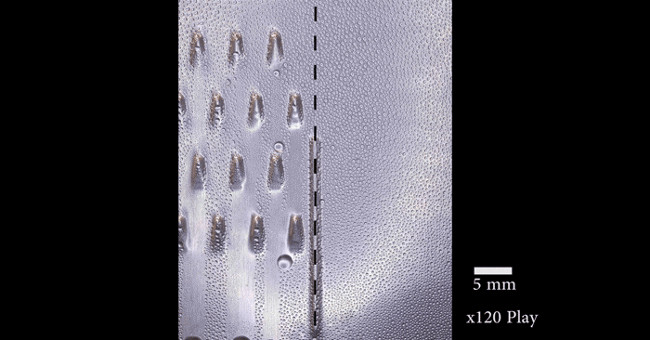

A team of researchers at Harvard Medical School has developed three different ways to turn individual cells into lasers that can emit light when stimulated.
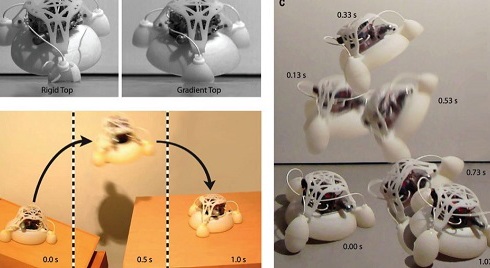
American engineers designed the first 3D robot can automatically change the state from hard to soft, and know the high jump and vertical ground.
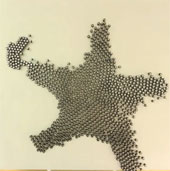
Researchers at Harvard University have created and found a way to make 1024 tiny robots work together to create spectacularly-shaped or synchronous displays.