Medicine - Health
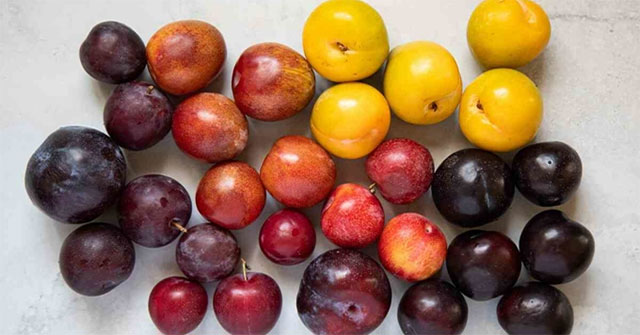
Surprise with the health benefits of plums
Plums can relieve constipation, are good for the heart, bones and joints and lower blood sugar, thereby preventing some diseases like diabetes.
Browse ScienceInfo articles and explainers related to Heart.
1,301 published items.
Plums can relieve constipation, are good for the heart, bones and joints and lower blood sugar, thereby preventing some diseases like diabetes.
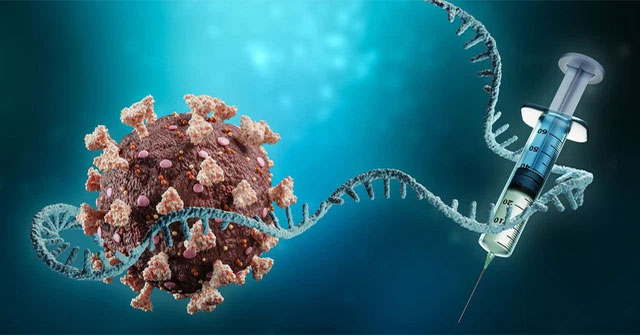
Genetic engineering similar to Pfizer-BioNTech and Moderna's COVID-19 vaccine could help treat heart attack patients.

Studies have shown that napping is both beneficial and bad for the brain and heart, and it's actually related to how long you sleep.

Anger does not make us more comfortable, on the contrary, it has a bad effect on our health.
Everyone knows that lack of sleep can lead to many serious health problems. But not everyone knows how to sleep longer than 8 hours a day
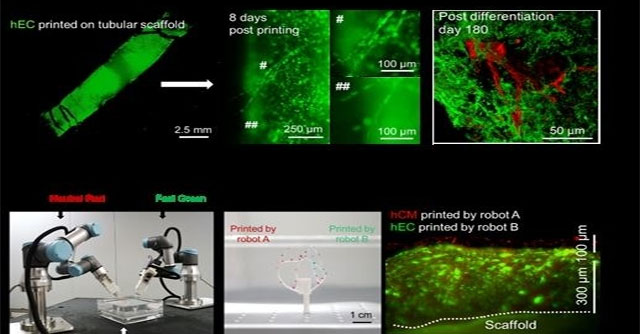
An international team of researchers has developed a new printing method to create heart tissue that can survive in vitro and function for long periods of time.
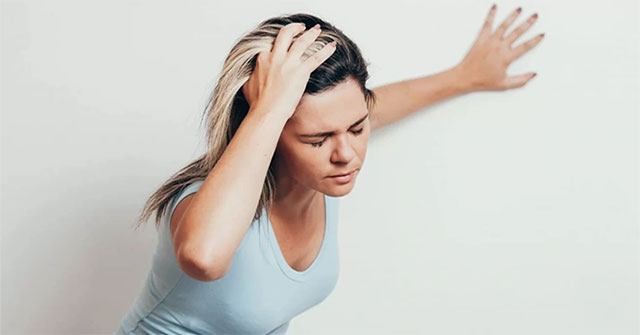
Standing up tachycardia syndrome can cause the patient to appear lightheaded, dizzy, and heart palpitations when standing up.
Onions are commonly known for supporting heart, bone, and gut health, but there are more benefits than many people might be surprised at.

Turning off all lights and drawing curtains before bed can help protect your health, according to a recent Northwestern University study.
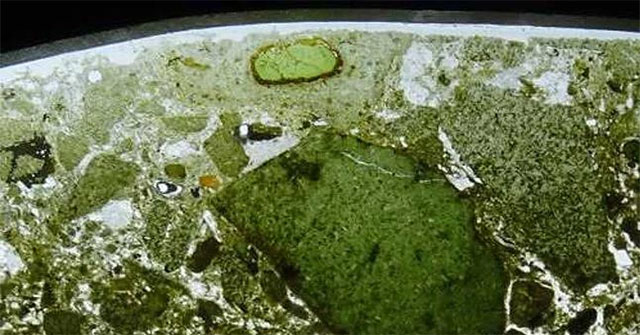
New research has revealed how the explosion of life 541 million years ago left incredible traces deep in the Earth's interior, where the mantle is covered with diamonds.

Maryland (USA) said on March 9 that a 57-year-old man in Maryland had died after a period of performing a pig heart transplant.

After recovering from Covid-19, many F0s in the US face a new and tougher battle, which are mysterious symptoms that cannot be explained.
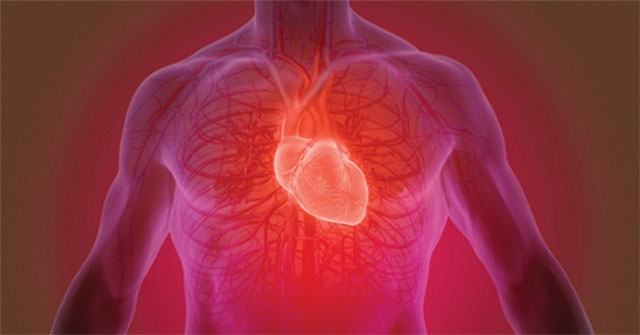
nCoV attack on the body can cause acute and chronic myocardial damage, leading to many cardiovascular diseases after recovering from Covid-19.
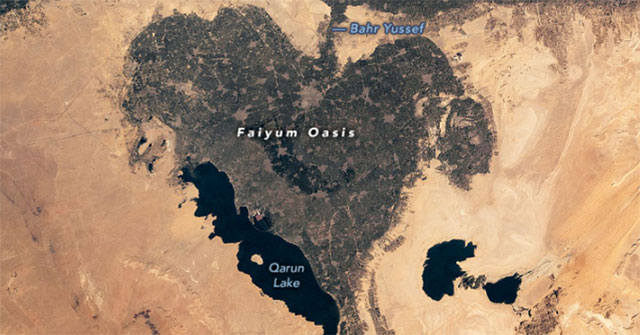
Astronauts on the International Space Station photographed an oasis over 1,200 square kilometers with a unique shape in the middle of the desert.
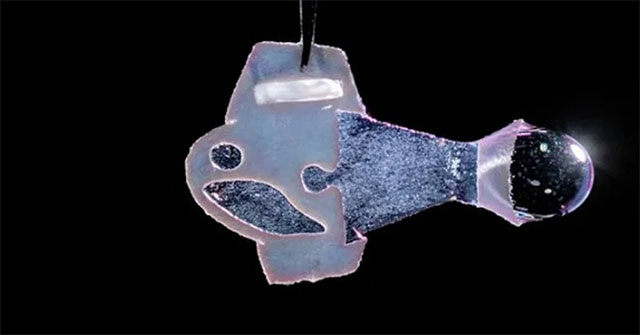
According to the Daily Beast, although it sounds weird, this invention is intended for research into heart disease.