Discover science
Why are humans smarter than chimpanzees?
Although similar to 98% of DNA for chimpanzees, humans possess much larger brains and also superior intelligence.
Browse ScienceInfo articles and explainers related to Humans.
950 published items.
Although similar to 98% of DNA for chimpanzees, humans possess much larger brains and also superior intelligence.

From fish to humans: A study has revealed how to make fins become legs.

Human ancestors began eating grass half a million years earlier than previous studies, as soon as they left the tree life.

The increase in food prices is frequent, along with the trend of population growth, forcing scientists to expect for the next 20 years what everyone's diet will be like.

Genetic similarities between Neanderthals and modern humans are more likely because they shared a common ancestor rather than mating. That is the statement drawn from th…

The similarity between human brain and dolphin brain shows people

The Eden science channel of UKTV (UK) has conducted a survey of 2,000 people about their level of interest in the world's toughest mysteries. The results show that the q…

If the whole humanity stands on the scale, the total weight will be 316 million tons, a study said. Overweight people around the world weigh more than 16 million tons, e…

According to geologists, the atmosphere of the Earth's atmosphere is formed about 2.48 to 2.32 billion years ago.

Age and death are not what people want to think about. However, it is the aging process that helps us survive and evolve.

According to ANSA news agency, Italian scientists have discovered how humans can remember dreams and this study has just been published in the American Journal of Neuros…
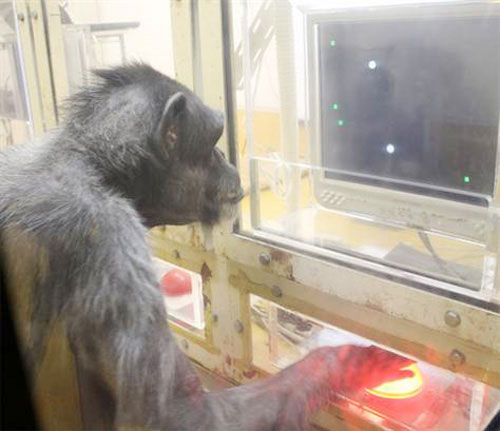
Chimpanzees have the ability to perceive and predict the impact of their behavior on the surrounding environment, the ability that is only available in humans.

The world consumes about 230 million tons of animal meat every year - twice as large as 30 years ago. We often raise four types - chickens, cows, sheep and pigs - all of…
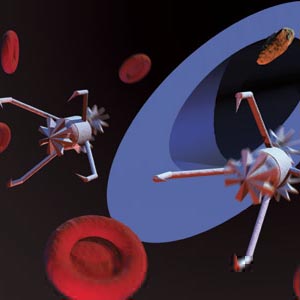
The future of humankind will change dramatically with the development of biotechnology and nanotechnology.

When combining human DNA with marine algae, scientists from Dalhousie University, Halifax (Canada) discovered that humanity could one day breathe in water like fish.