Archeology
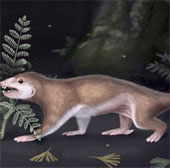
The discovery of the 165 million-year-old ancestor of humanity
Fossils of an animal believed to be the 165 million-year-old ancestor of modern humans have been discovered in China.
Browse ScienceInfo articles and explainers related to Humans.
950 published items.
Fossils of an animal believed to be the 165 million-year-old ancestor of modern humans have been discovered in China.
Universitat Rovira i Virgili (Spain) researchers have come up with a very creepy hypothesis about the demise of Neanderthals, that our ancestors have been clean.

No one knows exactly when humans began to tame wolves. Scientists once found a dog skull in Russia's Siberia Mountains. Chronology of the skull shows that humans began t…
After Albert Perry - an African-American in the state of South Carolina, USA - died, one of his relatives brought his DNA sample to the Family Tree DNA company for analy…
Neanderthals could be extinct earlier than the long-accepted theory, according to new research by international experts.

Scientists working at the Applied Molecular Evolution Fund based in Gainesville, Florida (USA) have tracked the evolution of the enzyme molecule of people with the funct…
The results of a group of scientific researchers from the University of Valencia, Spain, said that from 14,500 years ago, people had taken advantage of whale meat, fat a…
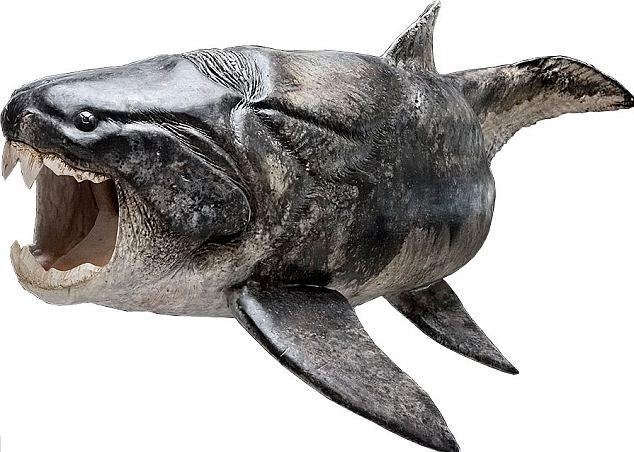
Scientists have found that prehistoric fish 400 million years ago began to have teeth like mammals.
Scientists believe that modern humans began to appear in Africa after genetic changes helped them to adapt to plant foods. This change makes modern humans can leave the…
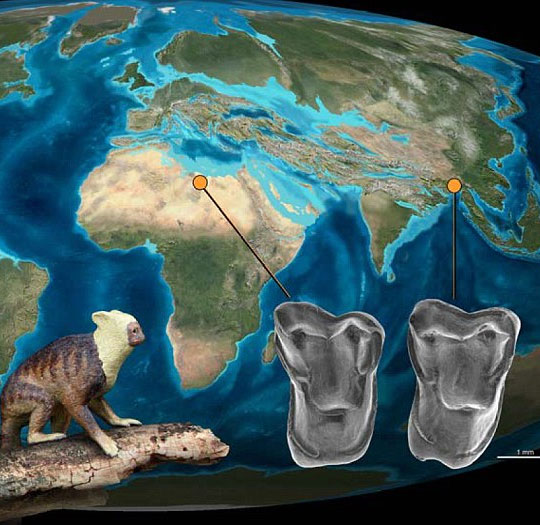
Newly excavated fossils in Myanmar show that the ancestors of humans, the apes and the first origin from Asia then migrated to Africa. According to archaeologists, the n…
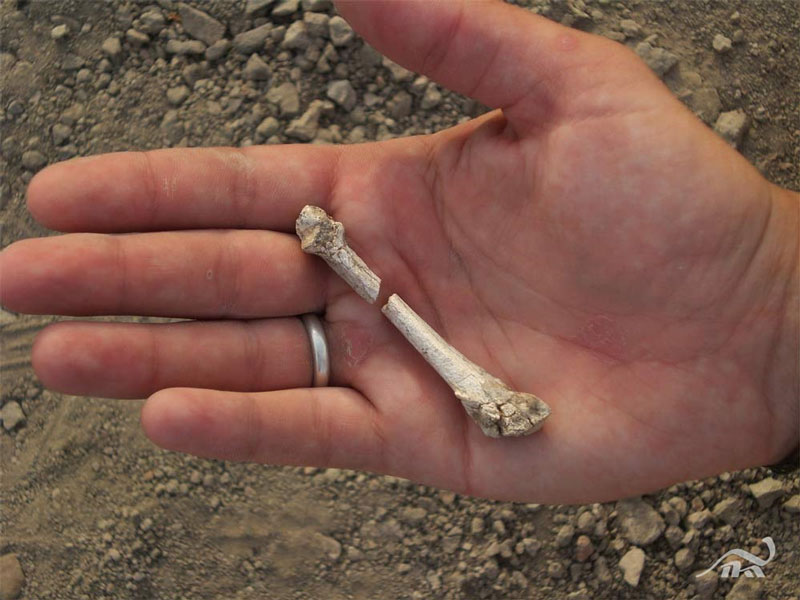
American scientists have discovered fossil bones fossil of prehistoric Australopithecus afarensis living 3.9-1.9 million years ago. This person may be the direct ancesto…

Archaeologists have uncovered the oldest drawings of humans as seals painted in the Cave of Nerja, Malaga, Spain more than 42,000 years ago. This discovery will radicall…
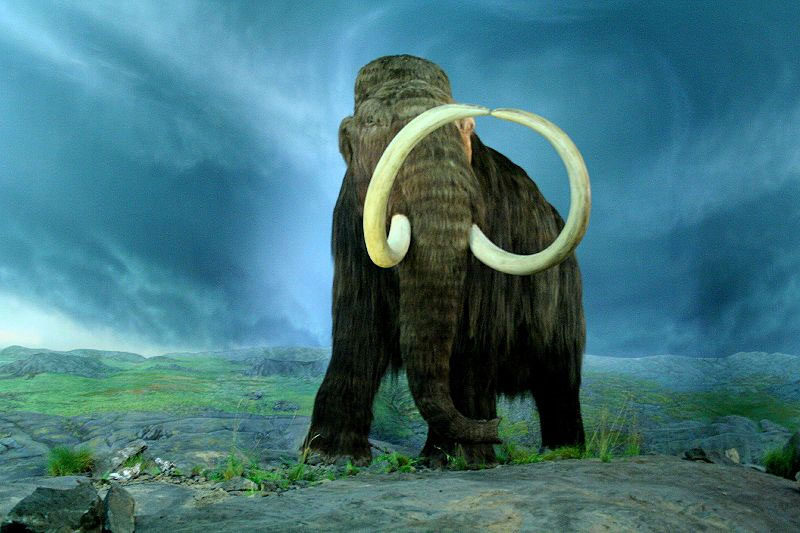
Scientists working at the University of Sydney, Australia, said that both climate change and people are responsible for the extinction of large mammal populations, prese…

Karabo lived nearly two million years ago, probably our first ancestor and was