Animal world
'Extremely' animals make it hard to believe they really exist!
'Fairy pink with apricot', 'octopus' ... not only are animals with strange names but even when they see it with their own eyes, you can hardly believe that they actually…
Browse ScienceInfo articles and explainers related to Insect.
937 published items.
'Fairy pink with apricot', 'octopus' ... not only are animals with strange names but even when they see it with their own eyes, you can hardly believe that they actually…
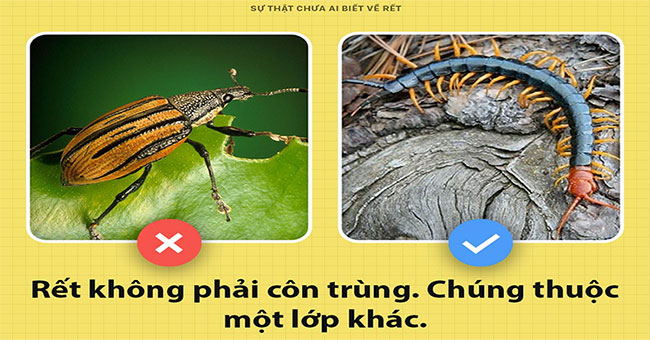
There is a fact that almost everyone is afraid of centipedes. I agreed, because I looked at my fellow man very often and was startled.
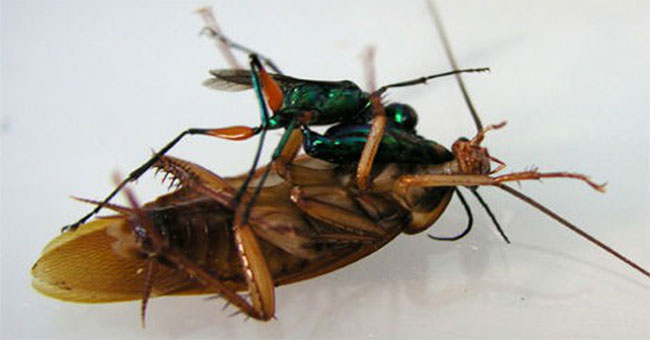
Unlike zombies in horror movies that are dead, real zombies still live, eat and sleep normally.
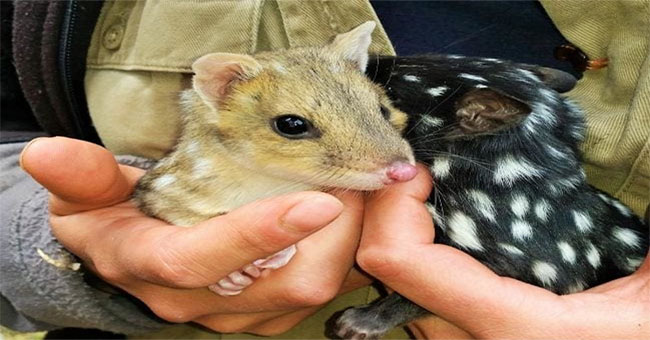
Oriental pocket cats mostly eat insects and have adult cat size.
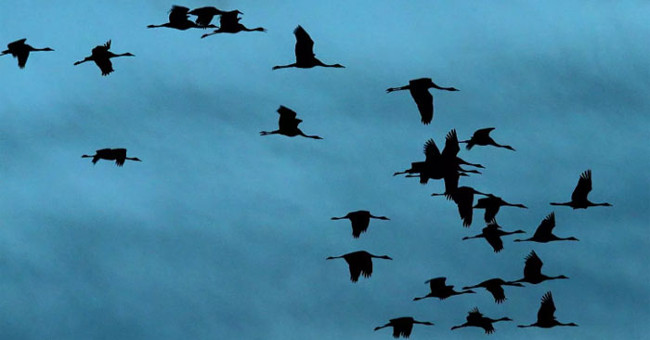
A new report has continued to confirm that, when it says that electromagnetic radiation from power lines and mobile transceivers can disorient birds and insects.
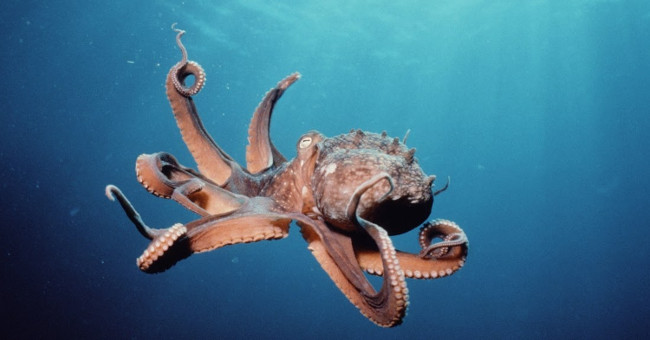
In the animal world, there are species that always discharge themselves for the life of another individual. It may be for their community or for the survival of the next…
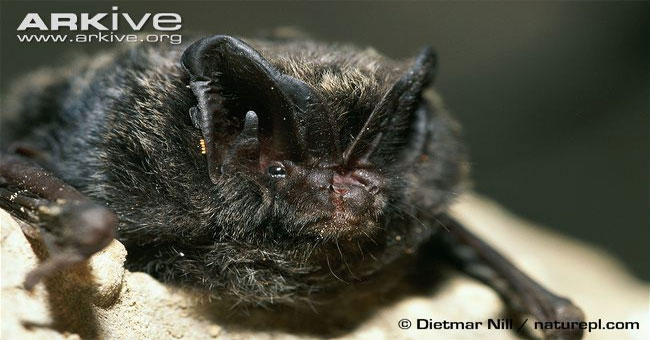
In a paper published in Functional Ecology, scientists described how bats Barbastella barbastellus deceive prey.
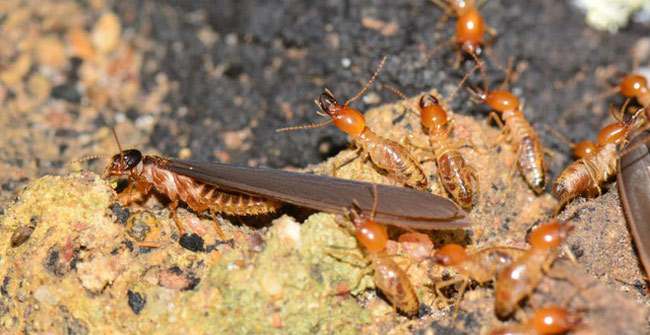
It turns out that termites are cockroach species that organize higher society, no more and no less.
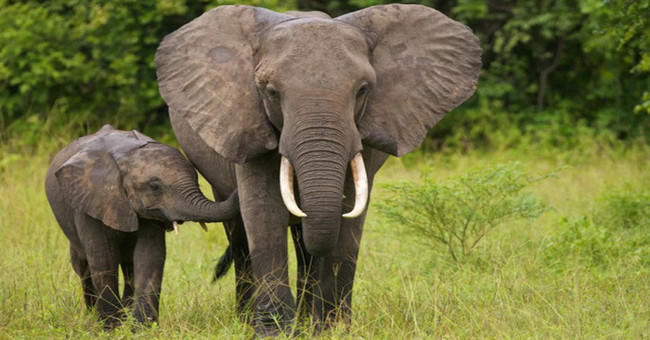
This sounds strange: the largest animal on land is afraid of a small insect.
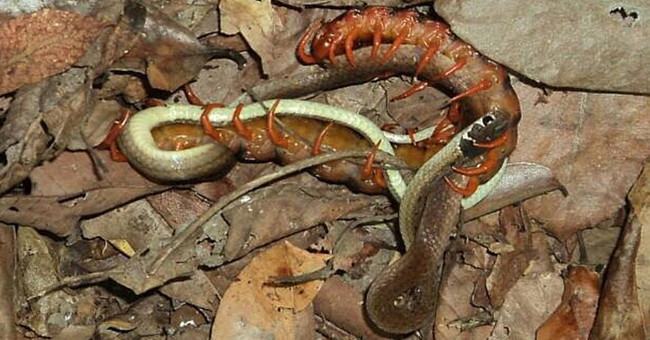
Yes, a big centipede hunts all snakes for dinner. Nature gives us all the interesting things.
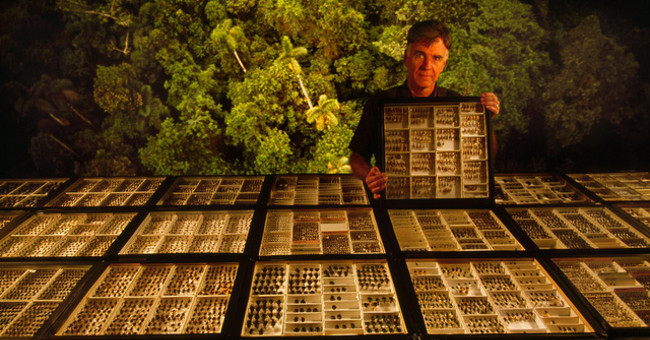
Insects are the class of animals with the largest number, most of the earth. Some scientists estimate there could be up to 30 million insect species.
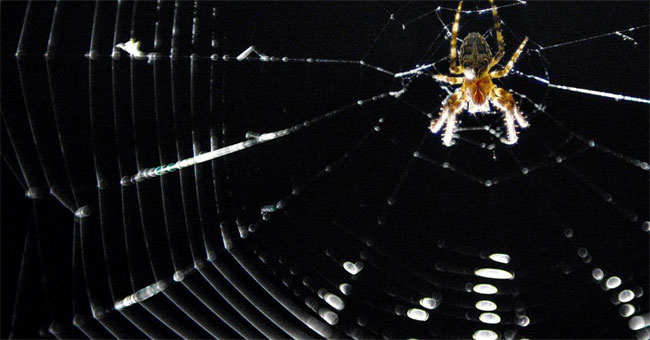
Spiders are scary, just seeing one is enough to make us goosebumps. Yet scientists at Oxford University (UK) always have to live and work with ... 10,000 spiders in a ro…
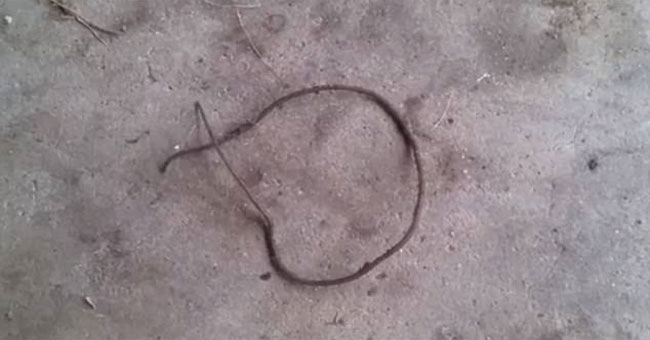
A giant worm-like creature has just been discovered in Australia, confusing users but also very interested.
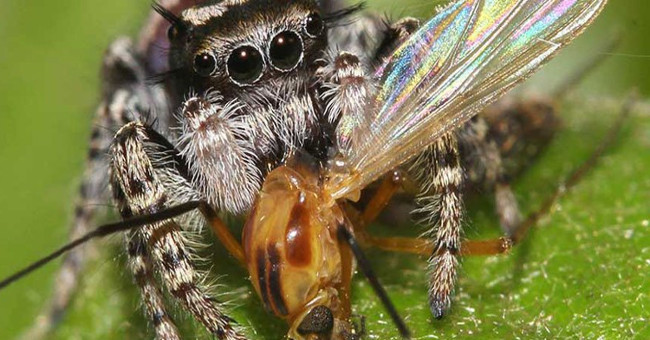
Surely many of us have a fear of spiders. They have monstrous shapes, very hairy, lumpy cows, many species have venom
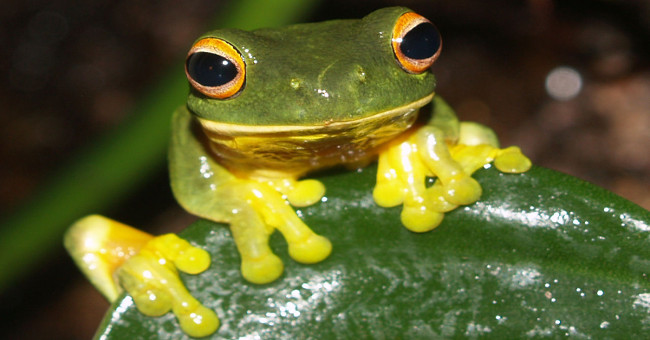
A new study has shown that although frog saliva is really sticky, there are two factors that play a decisive role.