New technology
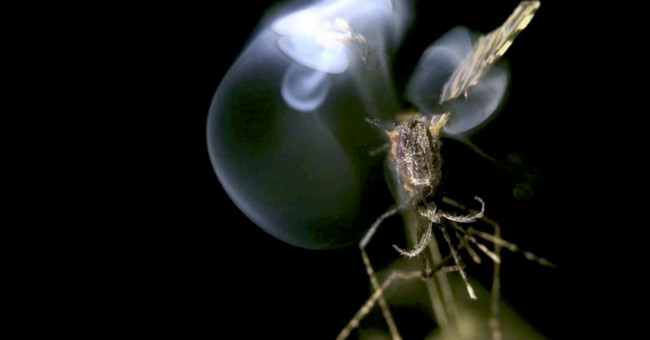
An insect-killing laser system causes damage at a glance
Photonic Fence can automatically detect harmful insects and shoot laser to burn animals for 25 milliseconds.
Browse ScienceInfo articles and explainers related to Insect.
937 published items.
Photonic Fence can automatically detect harmful insects and shoot laser to burn animals for 25 milliseconds.
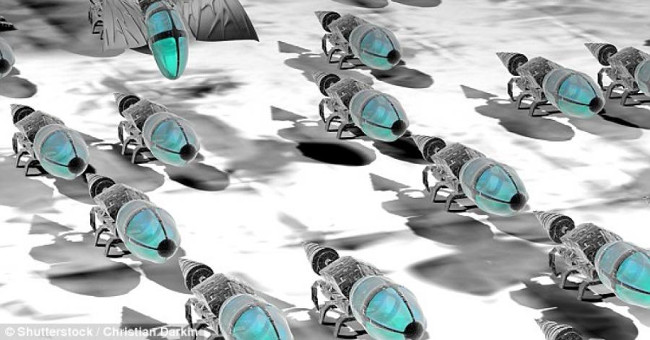
Although only about the size of an insect or smaller than a hair, this small military robot is being developed by military forces, with the power equivalent to hundreds…
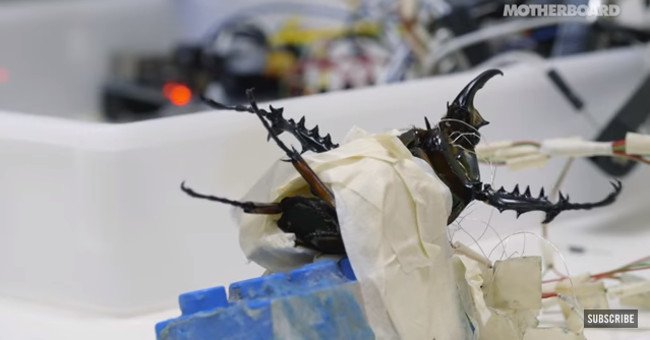
Scientists at the Nanyang Technological University, led by Professor Hirotaka Sato, have conducted research on the transformation of the common beetle into a living beet…
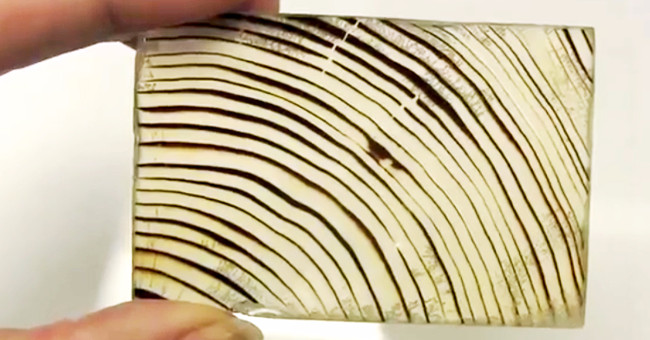
Wood is a durable and flexible material, but it can rot, be eaten by insects and block light. Glass is not much better, they are easy to tank and cannot effectively bloc…

Simulating the behavior of insects in nature, Harvard's micro-robots are considered to be extremely effective spy, search, and rescue.
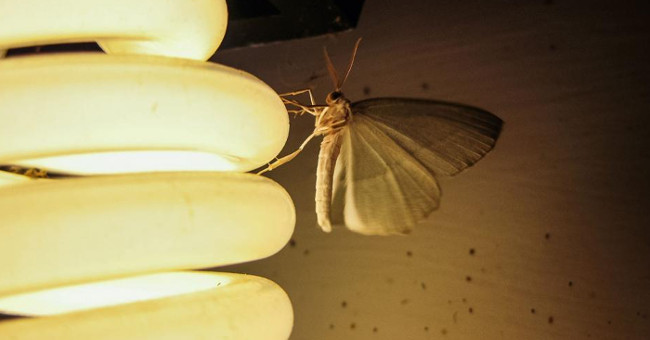
Hot colored LEDs will attract less insects than cold colors and if you want to be bitten by the most, stand by the filament lamp.

Two Austrian business women have developed a device to breed protein-rich beetle larvae for food, bringing a revolution in the kitchen.

A team of researchers from Switzerland is investigating artificial eye development that is capable of working with a high sensitivity and sensitivity as the eyes of smal…

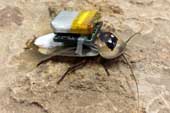
When disaster strikes, every minute is significant, especially for rescuing trapped victims. In an attempt to find faster survivors, American researchers developed bio-c…

To create products with high authenticity, Kokoro Company in Hamura City, a suburb of Tokyo, has recruited leading experts in engineering, computer programming and model…
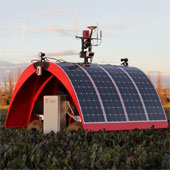
Due to the shape of the ladybug, the self-propelled robot is named Ladybird, which is being welcomed by gardeners for helping to destroy crop insects.
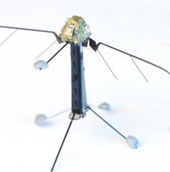
Unmanned aerial vehicles are becoming increasingly diversified, serving a variety of scientific, military and civilian purposes.

A team of scientists around the world has released a number of new 'flying robot' designs, most of which are inspired by birds, bats or insects in nature.
US scientists have just announced that they have successfully built