Cancer
Successfully experimented with a method to kill 99% of cancer cells
American scientists destroyed cancer cells in the laboratory with a special vibrating molecule, stimulated with near-infrared light.
Browse ScienceInfo articles and explainers related to Laboratory.
519 published items.
American scientists destroyed cancer cells in the laboratory with a special vibrating molecule, stimulated with near-infrared light.
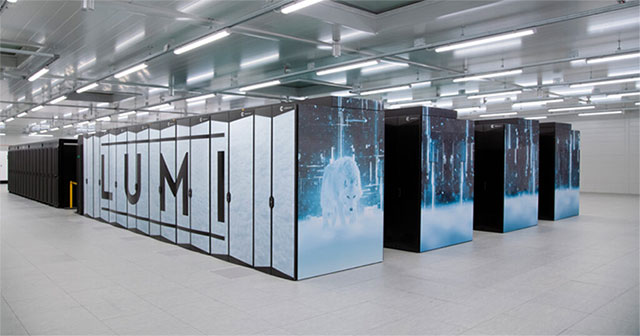
Supercomputers or supercomputers are High Performance Computers (HPC) - high performance computers, with outstanding computing capabilities, far beyond what you can thin…
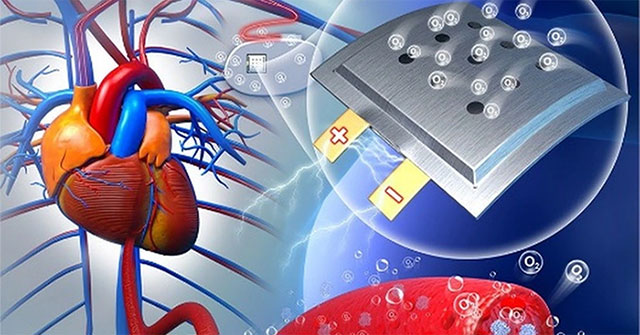
Implantable medical devices often have batteries that need to be replaced or recharged somehow. There is a new type of oxygen battery that could eliminate the need for i…
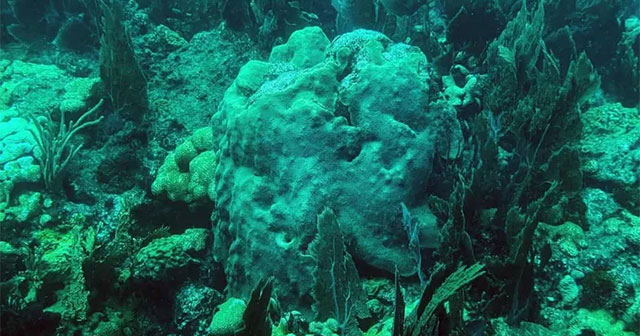
In laboratories across Florida (USA), biologists are regenerating coral reefs to prevent population decline due to disease.
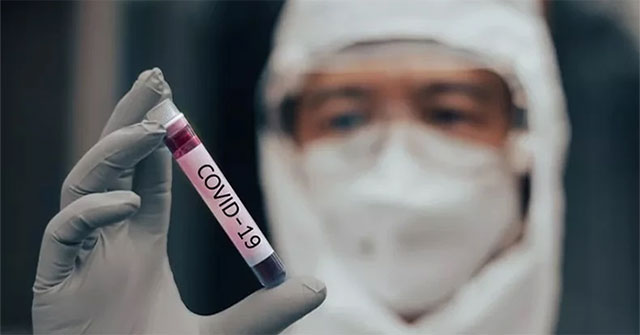
New research from the University of New South Wales, Australia concludes that the SARS-CoV-2 virus originated in a laboratory, once again raising controversy about the o…
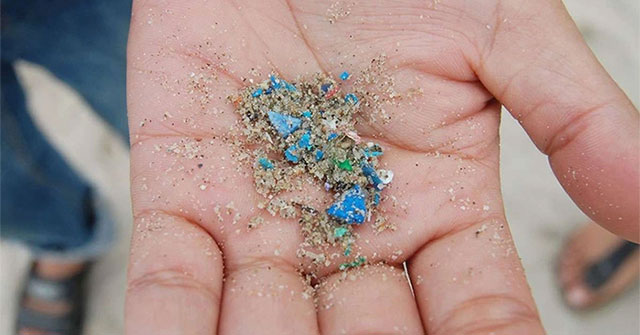
A laboratory study shows that microplastics can persist during cell division and contribute to the spread of cancer when they are in tumors.

No one can be sure that the samples from Mars do not contain tiny creatures. If so, no one can claim that they are not harmful to the Earth.
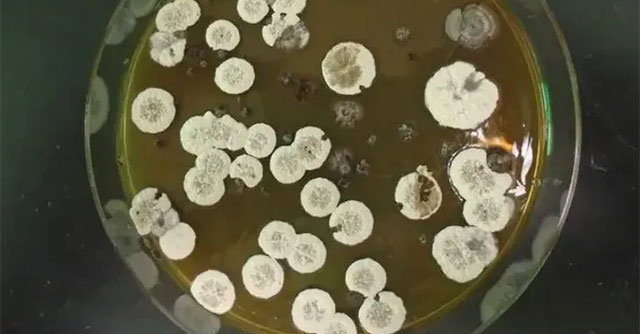
A team of researchers at Lawrence Berkeley National Laboratory has successfully harvested alternative jet fuel from commonly found species of soil bacteria in the genus…
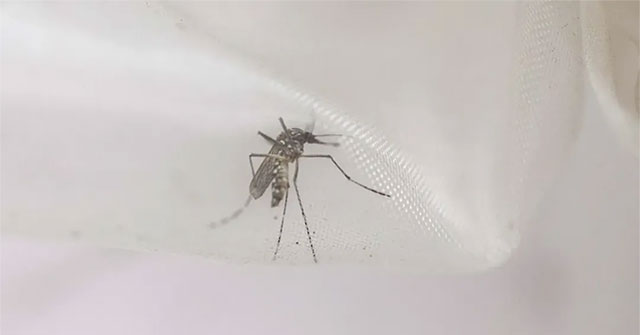
Mosquitoes need sleep to function properly, just like us. In fact, laboratory mosquitoes sleep between 16 and 19 hours a day, depending on the species and the level of a…
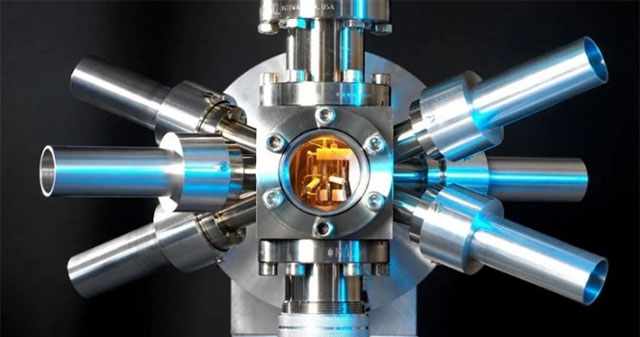
China's optical atomic clocks are designed to be accurate to one billionth of a billionth of a second on Earth, or just one second after 30 billion years.
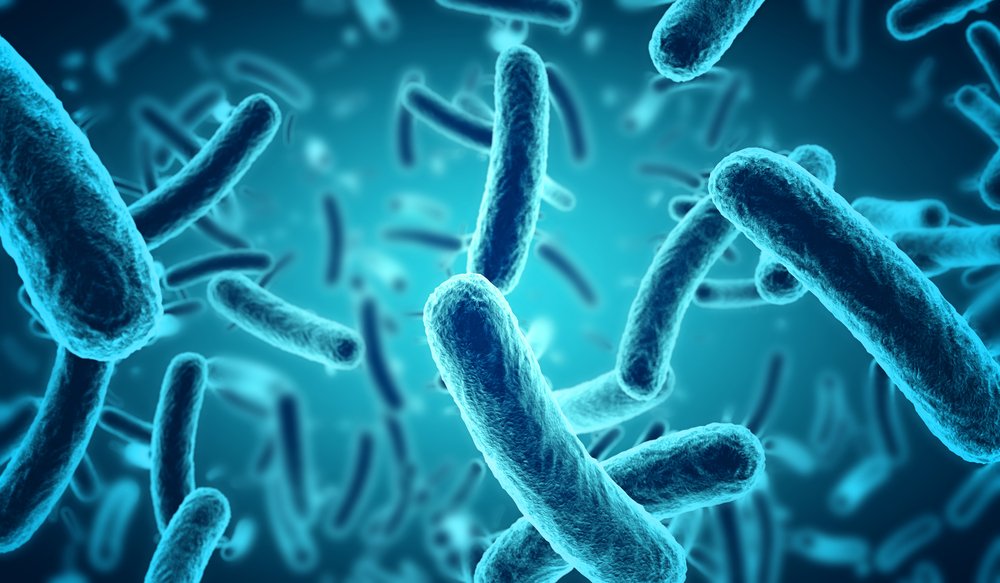
Scientists have recently discovered the world's largest bacteria with white filaments the size of human eyelashes, found in a swamp in Guadeloupe (France), according to…
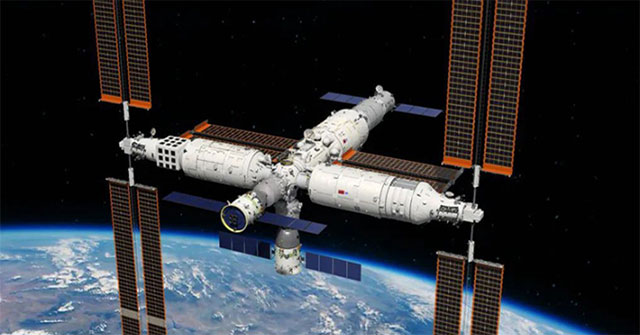
The complete Thien Cung space station is T-shaped with 3 modules, has a total living space of more than 110m3 and can accommodate 6 astronauts.

To operate NASA's lunar base, Sandia National Laboratory is developing a microgrid to distribute electricity from the nuclear reactor.

Each year the world emits about 50 billion tons of greenhouse gases, mainly through the burning of fossil fuels such as coal, oil and gas. This is the main cause of glob…
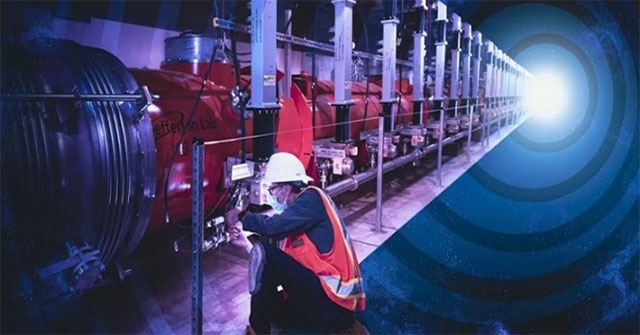
An accelerator in California operates at temperatures close to absolute zero to generate 1 million X-ray pulses per second.