Space science
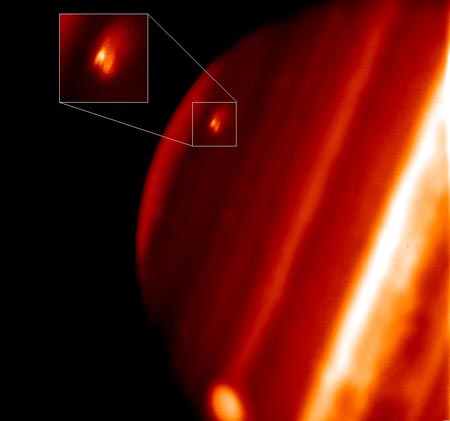
Jupiter was carved by the castle
A large object just rushed into Jupiter and left a hole as large as the earth in its atmosphere, the US Aerospace Agency (NASA) said.
Browse ScienceInfo articles and explainers related to Large.
1,987 published items.
A large object just rushed into Jupiter and left a hole as large as the earth in its atmosphere, the US Aerospace Agency (NASA) said.

Besides small or extremely large black holes, scientists have discovered a medium-sized black hole, something that has never been known before.
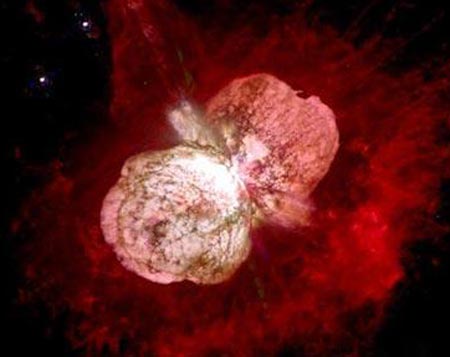
Thanks to new technology, American astronomers discovered two super-large explosions of stars at the edge of the universe. They are the farthest stars that humans have e…
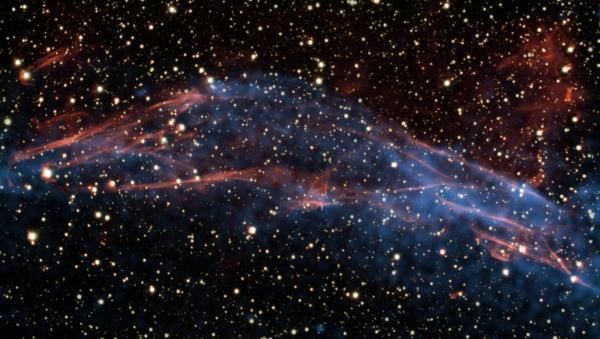
Thanks to a special study combining data from ESO's Extra Large Telescope and NASA's Chandra X-Ray Observatory, astronomers shed light on the mystery of the acceleration…
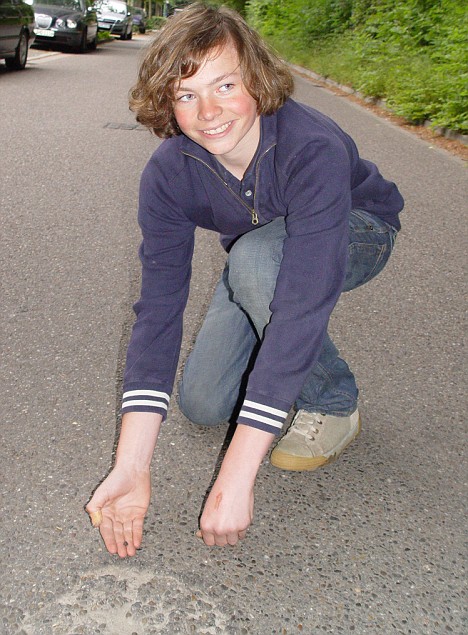
A 14-year-old German boy was hit by a pea meteorite and left a scar.

According to new research by American scientists, a large meteorite will not be able to destroy life on earth as previously imagined.
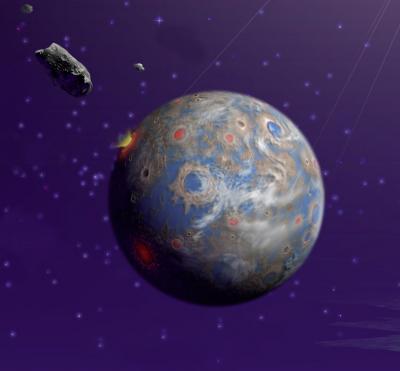
The bombing of the earth, which took place 4 billion years ago by a large meteorite in Kansas, was not enough to eradicate the entire primitive life on the planet and ev…
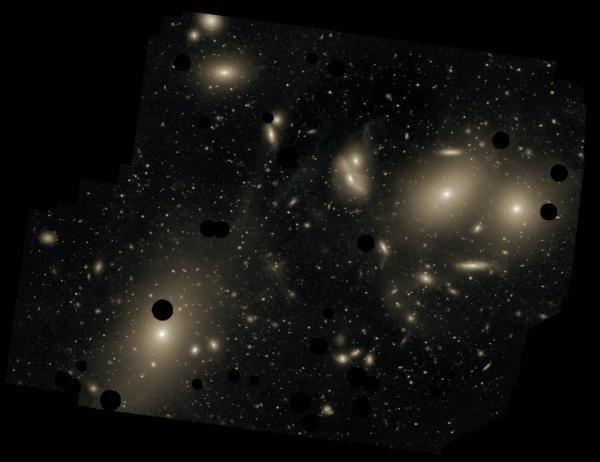
Using ESO's ultra-large VLT telescope, astronomers have succeeded in determining the size of the giant Messier 87 galaxy.
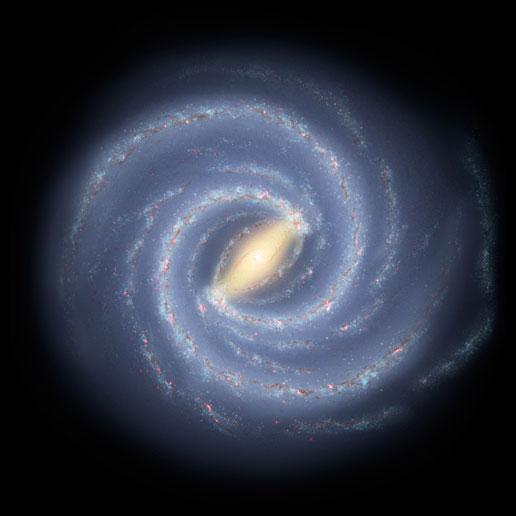
A team led by an astronomer at Indiana University has recently discovered that some large galaxies have traits that show they have just been formed.

Taking advantage of solar power to produce electricity is nothing new, which is surprising that mining will take place on thousands of kilometers.
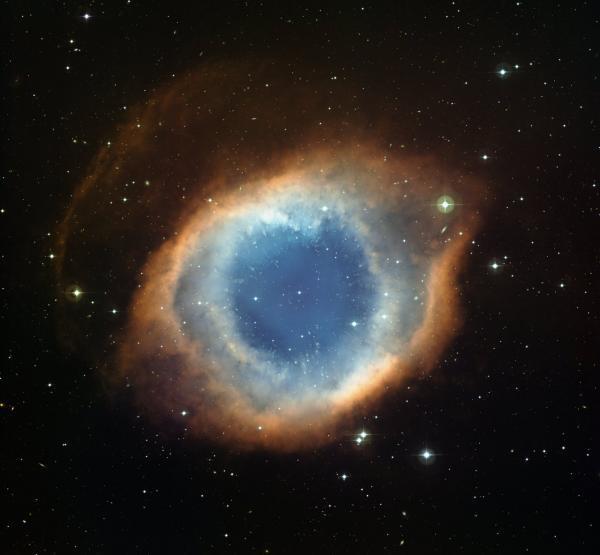
The large market camera of La Silla Observatory (ESO) has just captured a picture of Helix planetary nebula.
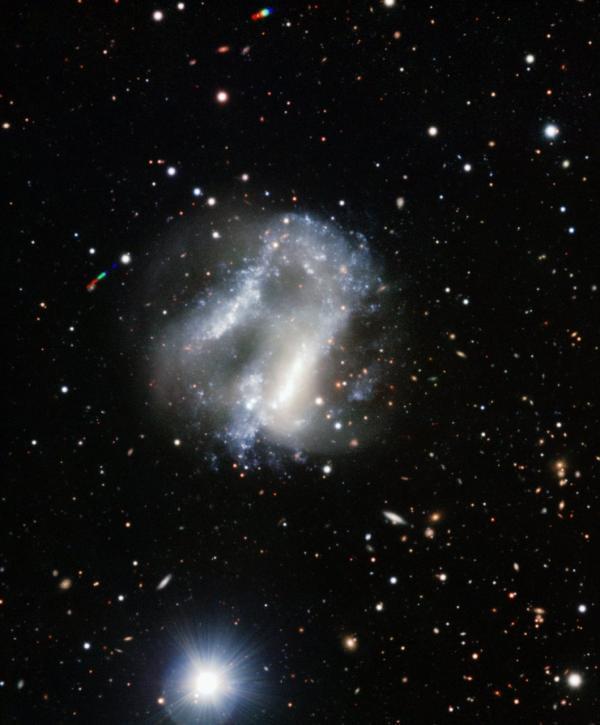
Extremely large telescope ESO has recently taken an unprecedented picture of the two mixed and chaotic galaxies.

A spacecraft of the US Aerospace Agency (NASA) will be launched into the March 5 space, bringing a super large camera ...

US scientists have discovered many large carbonate mineral salts in the rock seams on Mars. This proves that the red planet once had a lot of water.
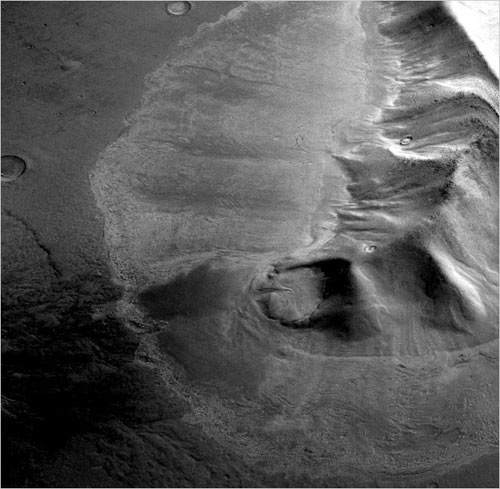
The probe Mars Reconnaissance Orbiter has discovered huge ice lakes beneath the layers of rocks and mountains on Mars.