Scientific works
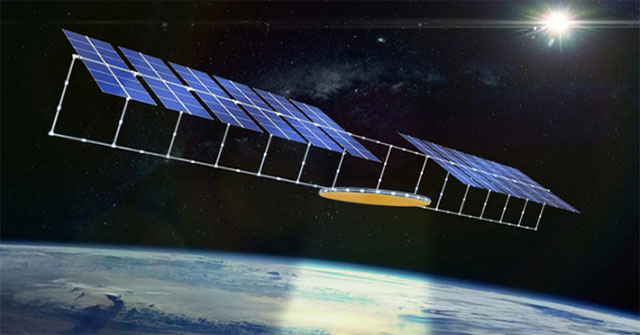
How does a solar power station in outer space work?
Solar power stations in space receive light continuously 24 hours a day but require high costs and high risk of failure.
Browse ScienceInfo articles and explainers related to Light.
3,286 published items.
Solar power stations in space receive light continuously 24 hours a day but require high costs and high risk of failure.
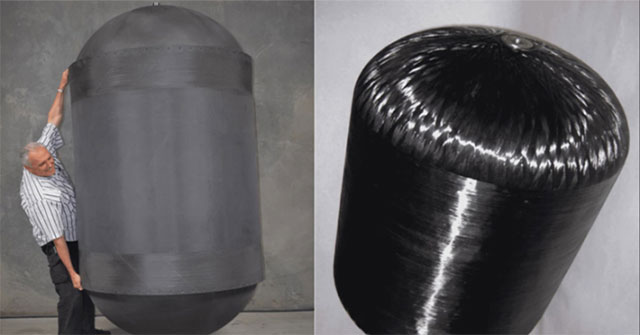
The new fuel tank can help hydrogen aircraft fly four times farther than today's traditional fueled planes, and at the same time emit no carbon.

The coastal country of Namibia is not only famous for its beautiful scenery, the jade mined here is both diverse and welcomed by all regions. But among the communities i…

The magical ancient gem could help scientists create large particles that are a hybrid of light and matter, leading to a leap in science and technology through a future…
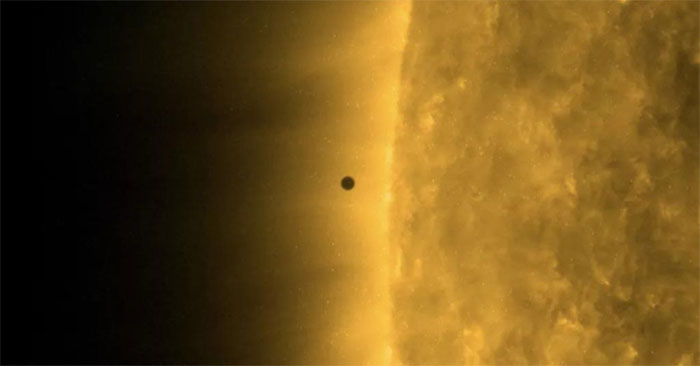
In parallel with the plasma punch that ignited Earth's northern sky recently, the Sun also blasted its nearest planet - Mercury - with a plasma tsunami.
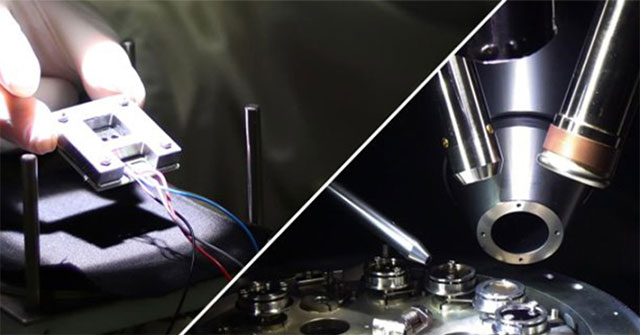
German scientists combined two types of absorbers to develop solar cells with a light conversion efficiency of up to 24%.
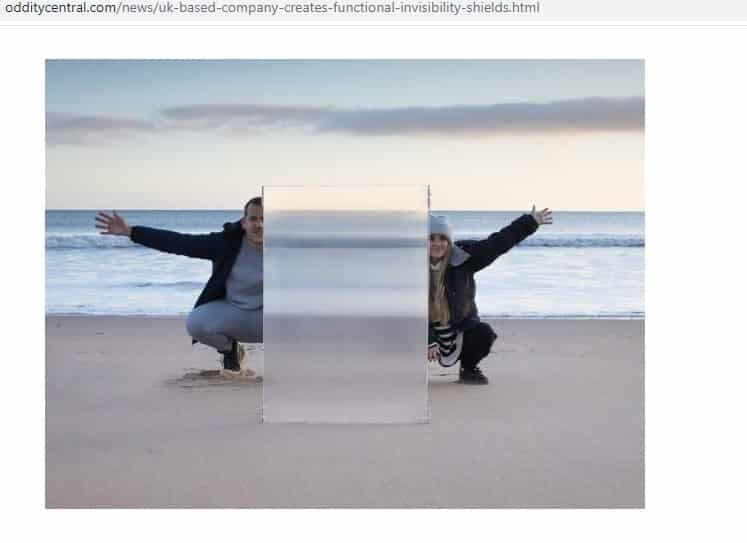
From the invisibility cloak of the character Harry Potter in the work of the same name, British scientists have developed an invisibility shield
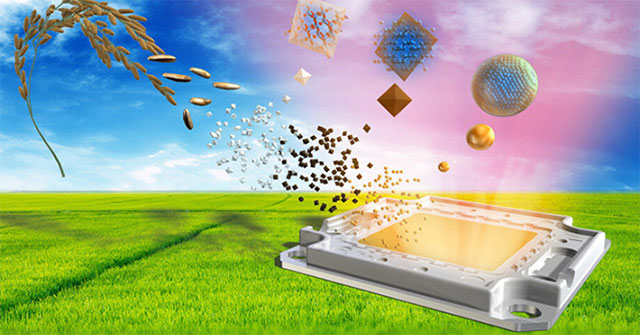
The team from Hiroshima University utilizes discarded rice husks to develop eco-friendly red-orange LEDs.
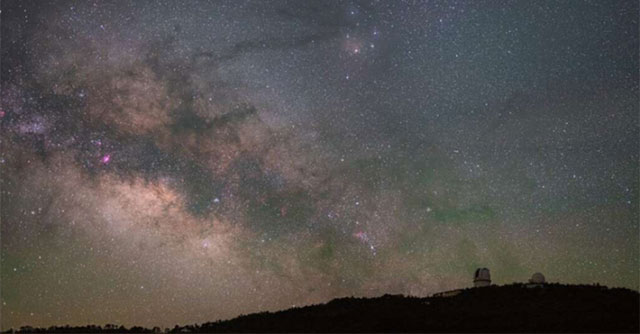
The Greater Big Bend Conservation Area on the US-Mexico border with an area of 40,000 square kilometers was created with the goal of preventing light pollution from…
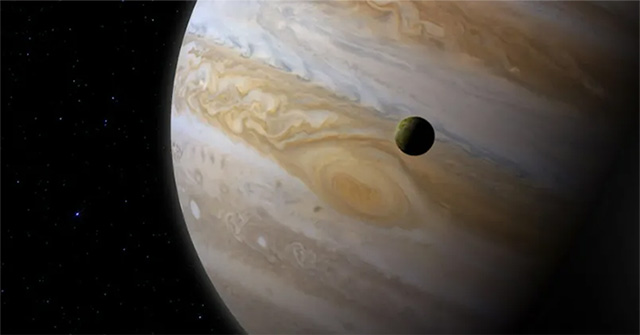
'A star is a spherical object in the plasma form, emitting light and resisting gravity by itself through nuclear fusion in its interior.'
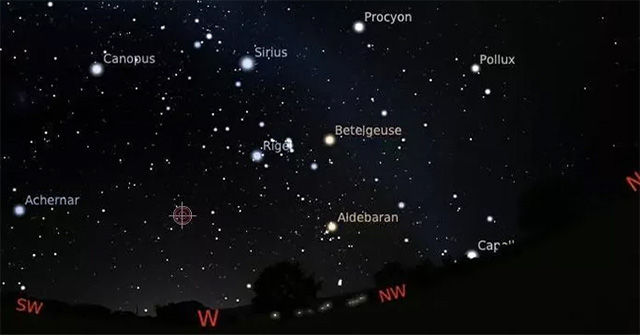
The MeerKAT radio telescope in South Africa has captured a ghostly, laser-like cosmic object that traveled 5 billion light-weights to reach our world.
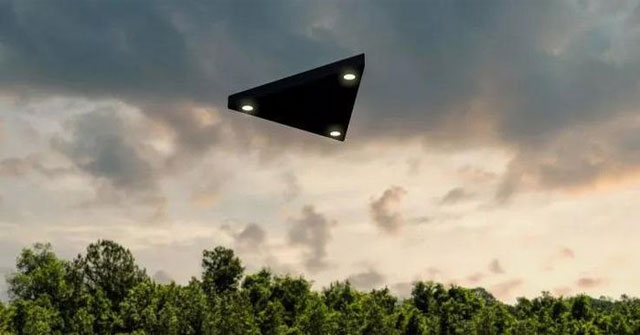
In fact, modern history records so many strange UFO encounters, so mysterious that no one can give a reasonable explanation, according to Newsweek.

Japanese scientists discovered that squid can change color in a split second to hide in its surroundings, in order to evade predators.
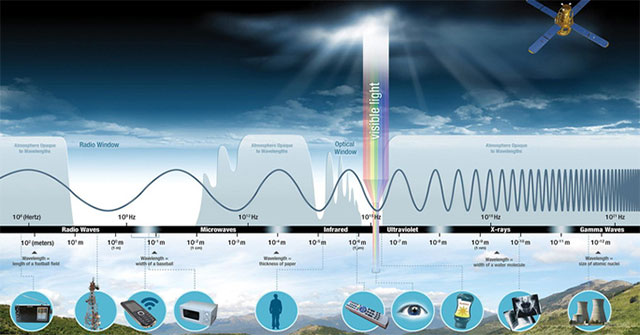
The idea that seems tinged with legend will help NASA own the most accurate satellite array, because to science, moonlight is something that doesn't lie.

In a subtle evolutionary mechanism, this virus has taken control of the host's brain and caused it to behave in spite of its life.