Space science
Discovered 'assassin planets' in outer space
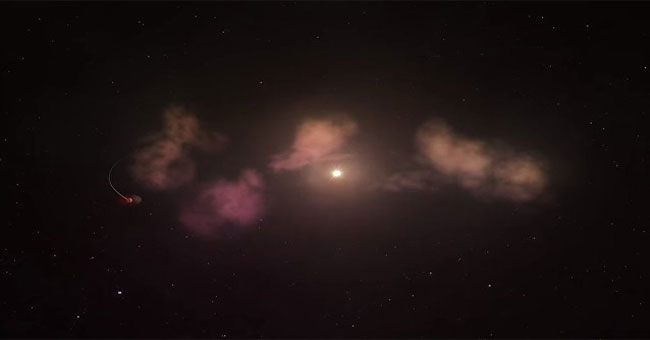
A group of American researchers believe that the star RZ Piscium, located 550 light years from Earth in the constellation Pisces, is capable of destroying small planets…
Browse ScienceInfo articles and explainers related to Light.
3,286 published items.
A group of American researchers believe that the star RZ Piscium, located 550 light years from Earth in the constellation Pisces, is capable of destroying small planets…
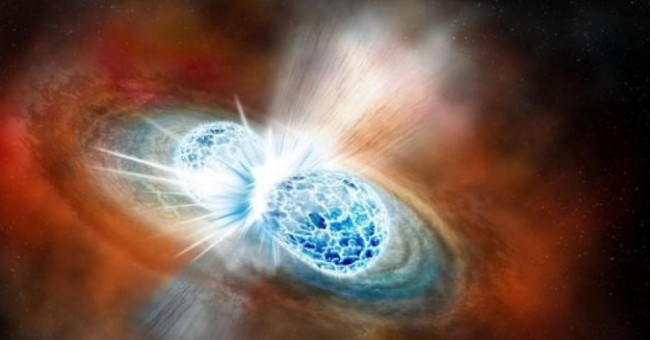
Experts say the explosion that occurred 130 million light years ago generated about half of the universe's gold, platinum, uranium and mercury.
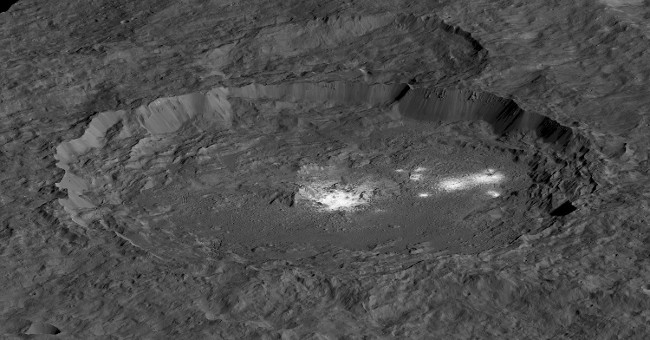
Unexpected discovery related to Ceres dwarf planet has just been discovered by scientists.
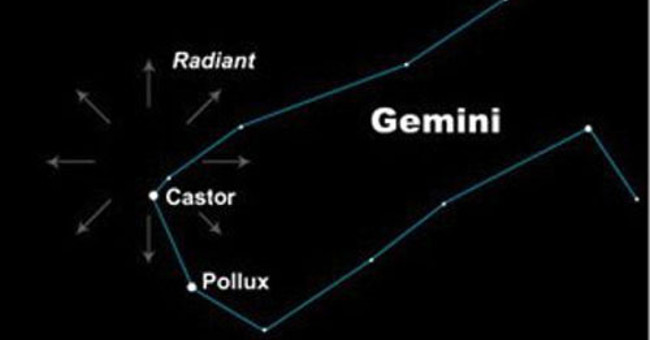
Viewers who do not need any astronomical device can still see the largest meteor of the five Geminids with 120 tracks an hour at their peak.
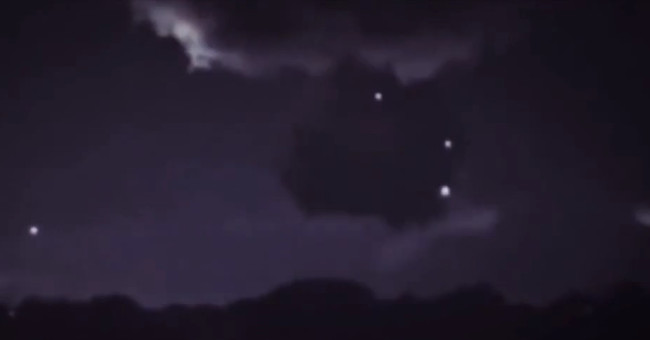
An amateur photographer uses time-lapse techniques to capture inexplicable bright spots that appear near the giant thundercloud in the sky of Sydney, Australia.
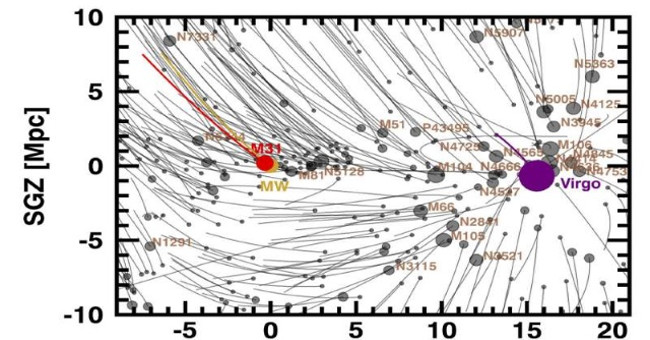
The spatial tracking map of 1400 galaxies has just been published by scientists.

Scottish scientists create images that move faster than the speed of light and show that images can go back in time.
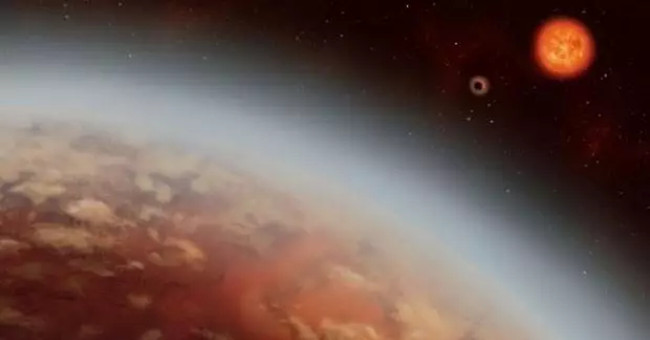
An exoplanet at 111 light-years away could be a large version of the Earth with conditions suitable for life.

16 Psyche is one of the ten largest mass asteroids in the asteroid belt. It has a diameter of more than 200km and contains approximately 1% of the whole belt.
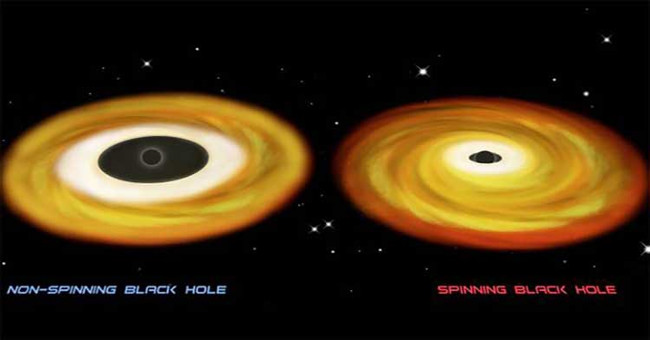
In the mysterious cosmic space, there are black holes that are so weird that no one would expect to be real.
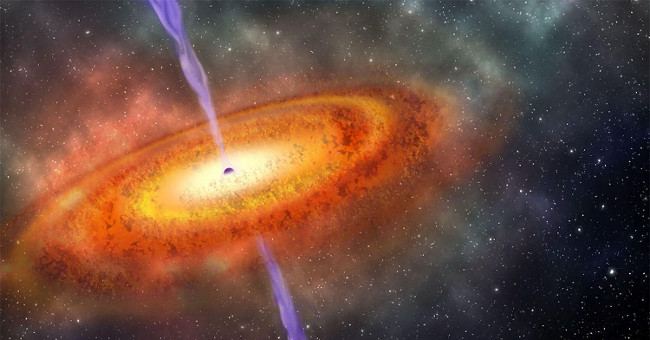
The discovery of a massive black hole, 13.1 billion light-years away from us, is revealing to scientists many things about the early universe.
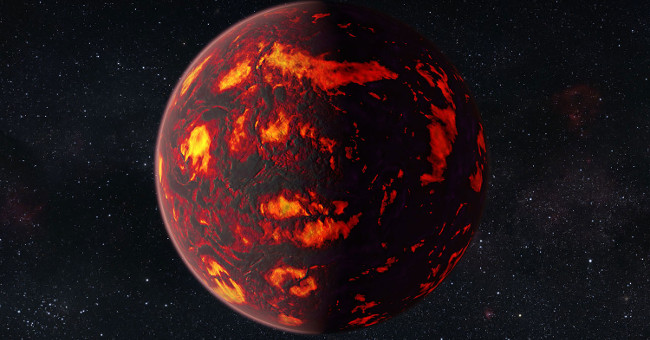
Pure diamonds can be the main component of a planet about 40 light-years from Earth and belonging to the Cancer constellation.
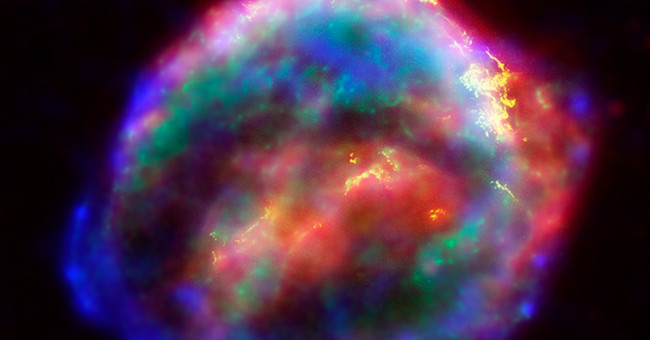
This new finding is expected to help scientists come closer to discovering light in invisible dark matter in the vast universe.

In 1770, East Asia, including some countries such as Japan, South Korea, North Korea and the east coast of China, happened to have the sky dyed red for days.
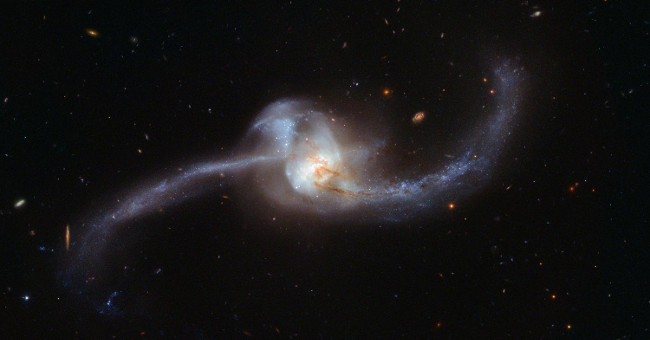
The spiral-shaped NGC 2623 galaxy helps scientists understand more about the Milky Way collision in about 4 billion years.