
Space science
What Is Space Weather?
Space weather describes changing conditions in the Sun, solar wind, magnetosphere, ionosphere and thermosphere that can affect technology and operations near Earth. It i…
Browse ScienceInfo articles and explainers related to Magnetosphere.
24 published items.
Space weather describes changing conditions in the Sun, solar wind, magnetosphere, ionosphere and thermosphere that can affect technology and operations near Earth. It i…
A geomagnetic storm is a prolonged disturbance of Earth's magnetosphere caused by enhanced energy transfer from the solar wind. The most significant storms are often ass…
Aurora forecasts combine measurements of the Sun and solar wind with models of Earth's magnetosphere. Scientists are not predicting a fixed light show at a precise stree…
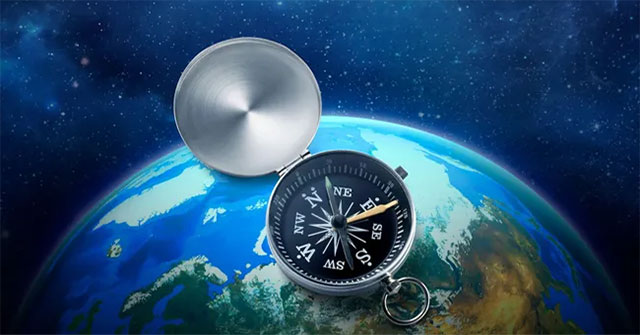
On Earth, our planet's magnetic field points north, but in space, things are a bit more complicated.

Not only does Earth have an extremely long tail where the Sun cannot shine, it also uses it to transform another celestial body.
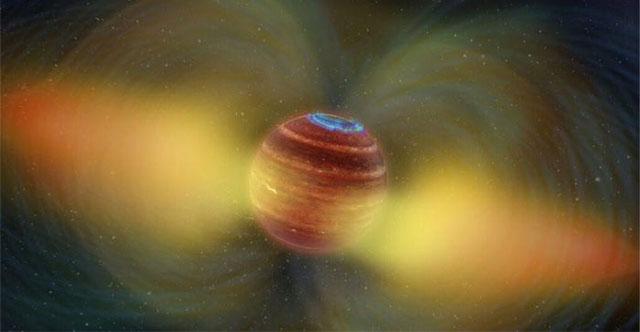
When we think about the habitability of exoplanets, the role of magnetic fields in maintaining a stable environment is something to consider alongside things like atmosp…
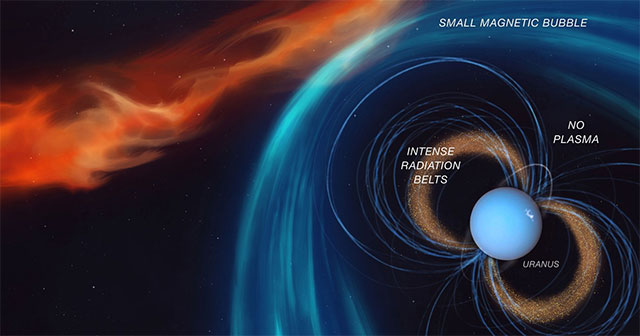
One of NASA's spacecraft may have flown past a planet-moon system teeming with life without knowing it.
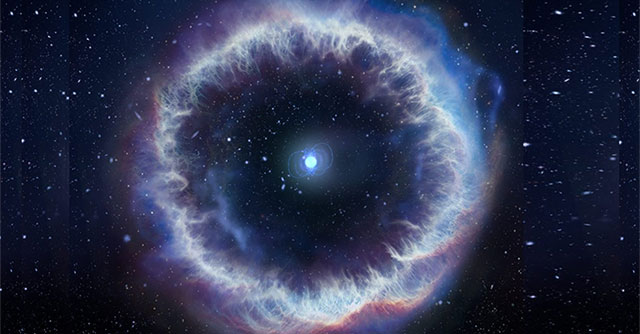
The faintest radio burst ever detected by humanity could help solve the long-standing mystery of this spooky cosmic signal.

In the book
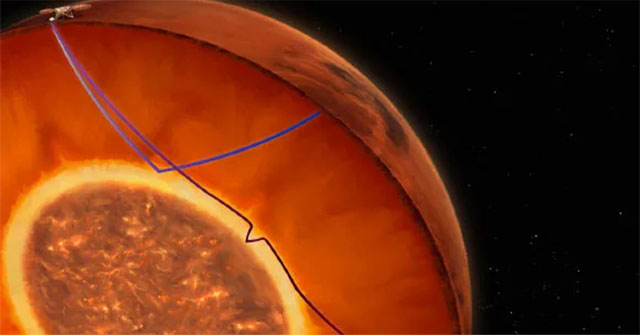
The data left by the NASA spacecraft can explain why Mars, a planet that is suitable for life like Earth, is dying.

An extremely important event for our existence on Earth has been saved in ancient stones.
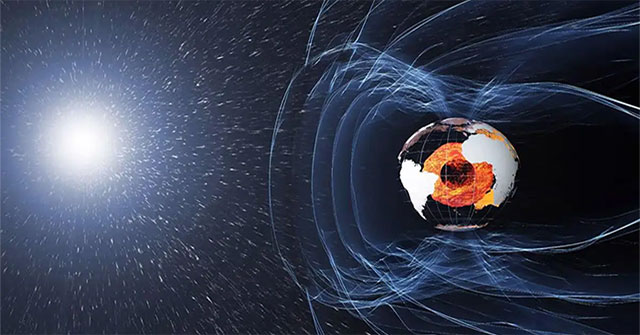
About 591 - 565 million years ago, the Earth's magnetosphere was almost
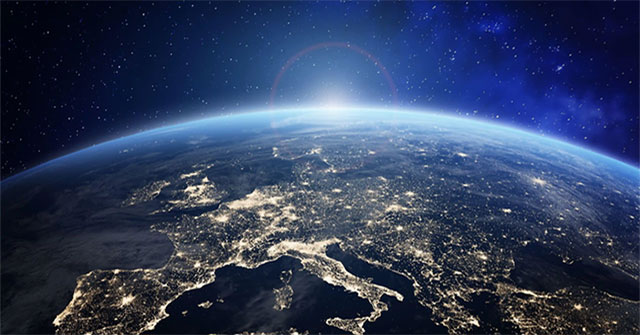
Dead satellites are filling space with garbage. Soon, humans will release the equivalent of at least one Eiffel Tower's worth of metallic ash into the ionosphere each ye…
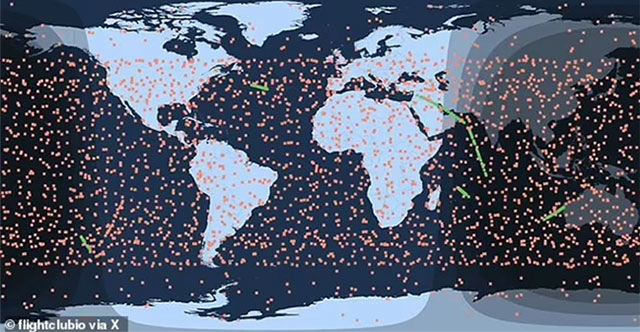
The shocking information comes from a study that suggests dense satellite activity may be
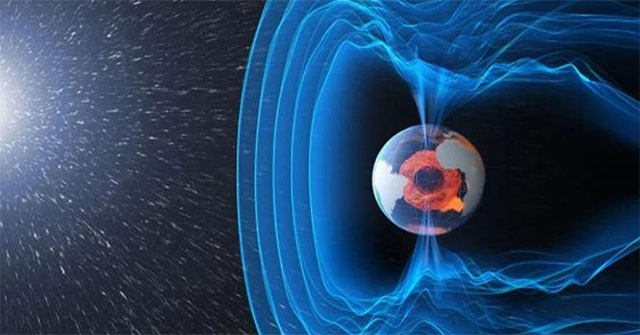
Earth's protective crust has undergone an unusual change over the past two centuries, which may affect the planet's magnetic polarity reversal.