Archeology
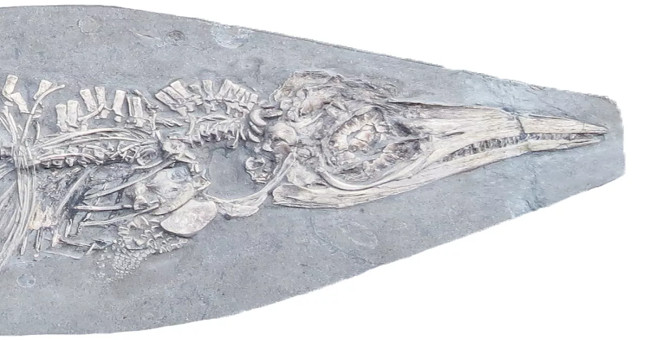
Discover 200 million year old fossil with a belly filled with squid
Millions of years ago during the Jurassic period, there was a marine reptile named ichthyosaur that used to hunt prehistoric squid species.
Browse ScienceInfo articles and explainers related to Marine.
985 published items.
Millions of years ago during the Jurassic period, there was a marine reptile named ichthyosaur that used to hunt prehistoric squid species.
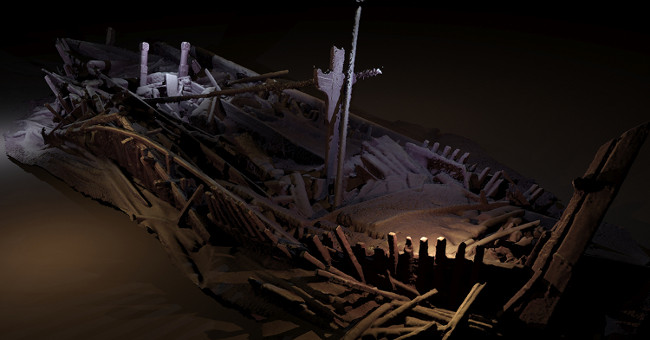
One of the world's largest undersea archaeological projects ended yesterday, after a three-year expedition revealed more than 60 ancient wrecks.
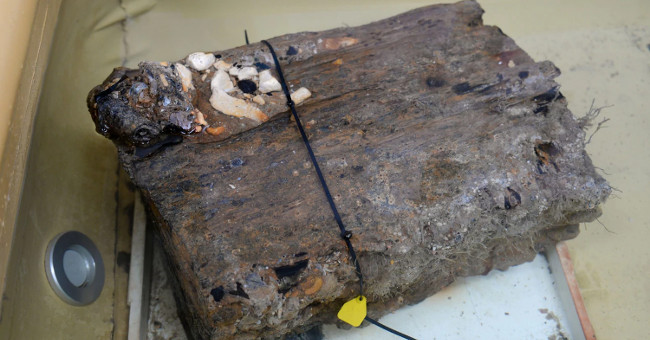
Marine archaeologists have found three wooden treasure chests that can contain ingot silver bought from Dong An and human bones in Rooswijk wreck off the coast near Kent…
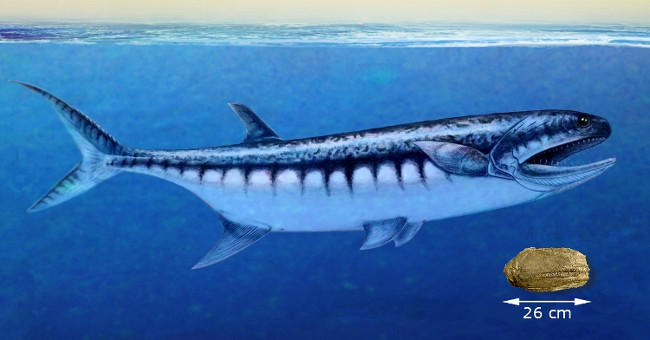
The organism was identified after scientists dug up a 25cm long skull including large teeth and many sharp little teeth inside.
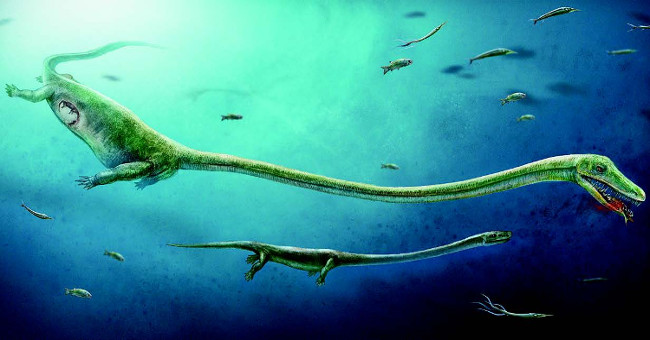
In southwestern China, archaeologists have found fossils of an ancient long-lived marine species that lived millions of years ago.
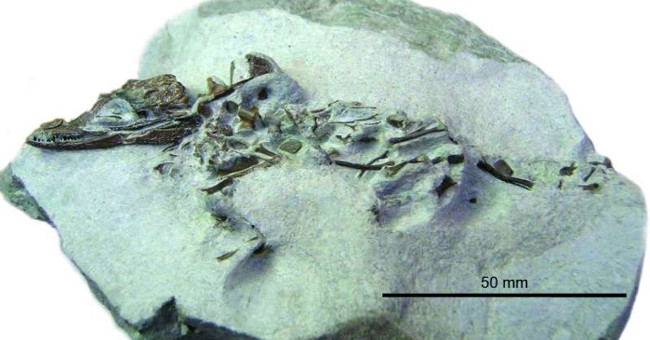
Langenberg quarry, Germany is famous for its rich marine marine fossil remains in the late Jurassic period. This time, the quarry must rely on the help of scientists to…
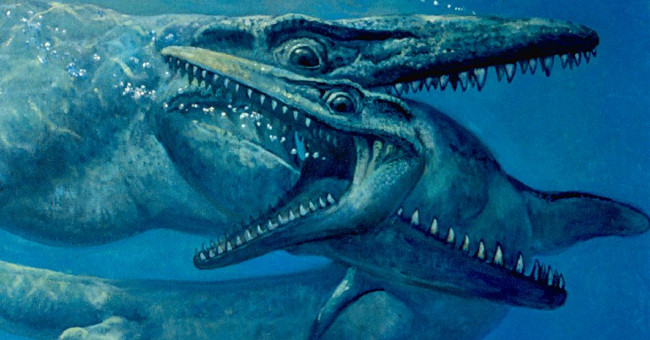
The fossil of the dragon dragon, a marine reptile like a dolphin that lived in the dinosaurs, was found with the teeth of the enemy plugging in his face.
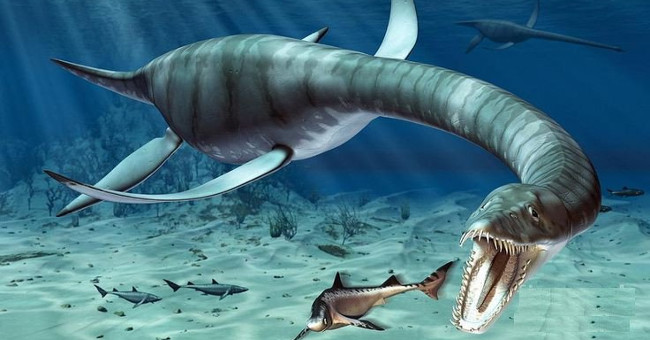
It took Jonathan Bow two years to attach the 200 million-year-old plesiosaur fossil found in Wales after accidentally breaking it into 200 pieces.
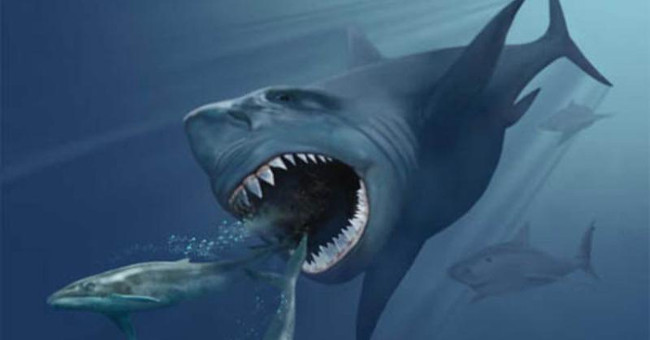
US scientists found a shark as big as a sharp-toothed car that once lived popularly along the Atlantic and Pacific coasts 20 million years ago.
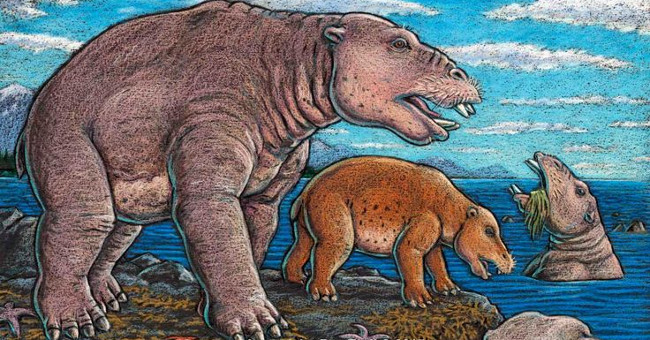
New scientists found fossils of species that lived about 23 million years ago used a special muzzle like a vacuum cleaner.
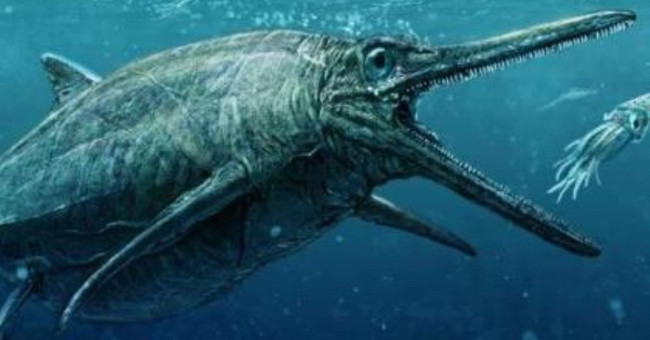
The Scottish National Museum publishes the fossil of a dolphin-like sea monster shaped like a dolphin with a long, sharp-toothed mouth buried in a stone coffin.
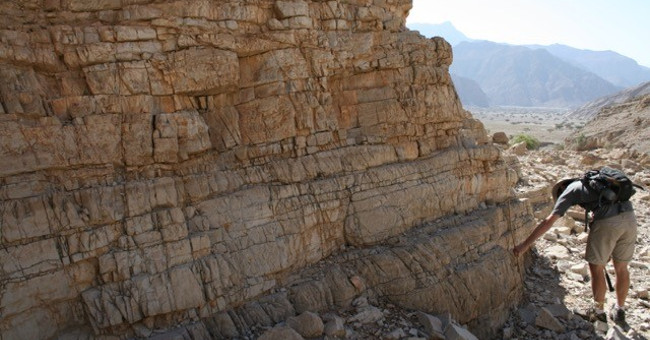
In the past 252 million years, the Permian-Triassic extinction event has swept up 96% of marine life and more than 70% of terrestrial vertebrates, making about 83% of th…
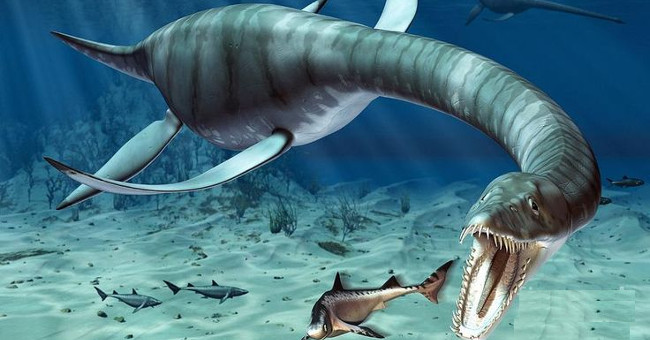
British scientists found a 165-million-year-old fossil skeleton of an animal in the Jurassic family of the plesiosaur, which is huge in size and many features never seen…
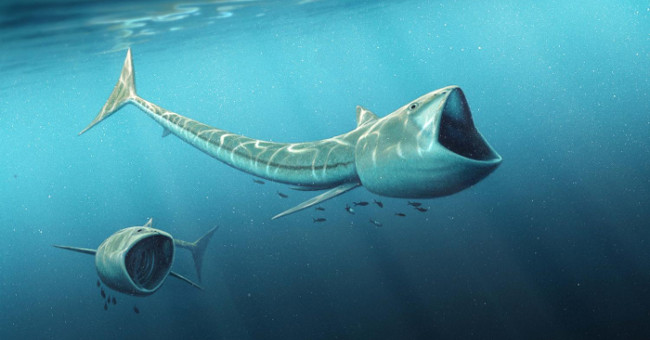
The flat-headed, half-meter-long fish survive in the ocean of 92 million years ago by eating plankton.
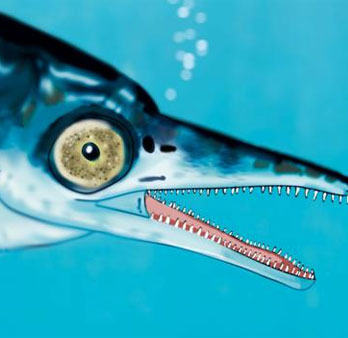
This marine reptile is also known as the fish lizard. The strange thing is that its very 'weird' nose, unlike any reptile ever.