Space science
Mars and the earth come together
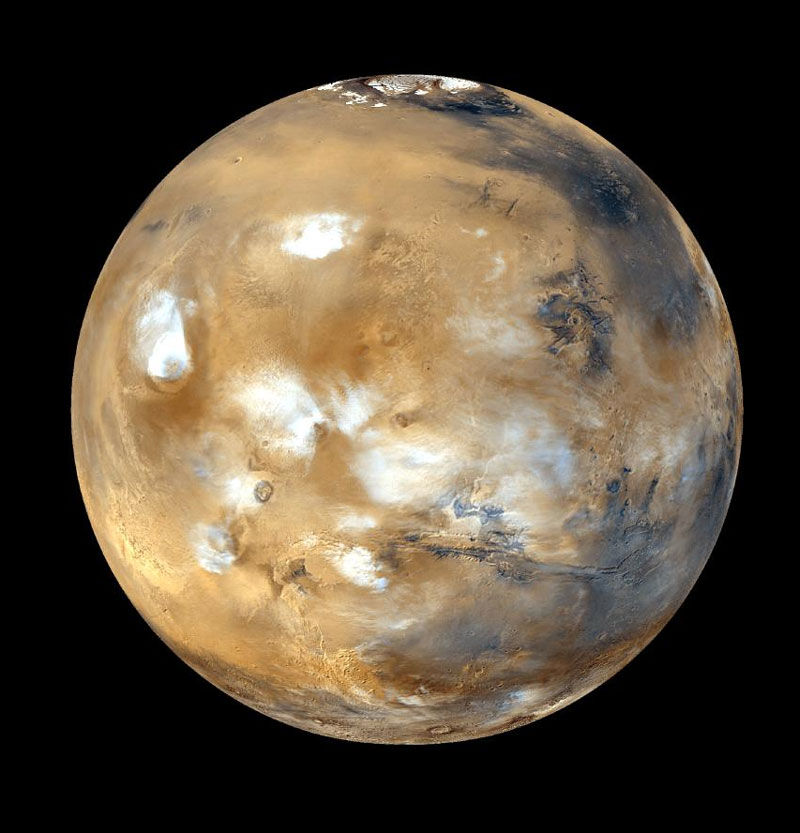
Today Mars will arrive at 112 million kilometers from the Earth, the shortest distance between the two bodies in the journey around the 26-month sun of the red planet.
Browse ScienceInfo articles and explainers related to Mars.
1,602 published items.
Today Mars will arrive at 112 million kilometers from the Earth, the shortest distance between the two bodies in the journey around the 26-month sun of the red planet.
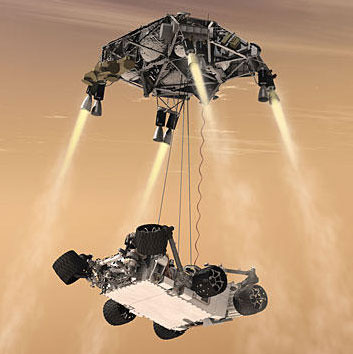
To replace the two predecessors, Spirit and Opportunity robots, who have been diligently exploring the red planet for years, NASA has continued to send Curiosity robots…
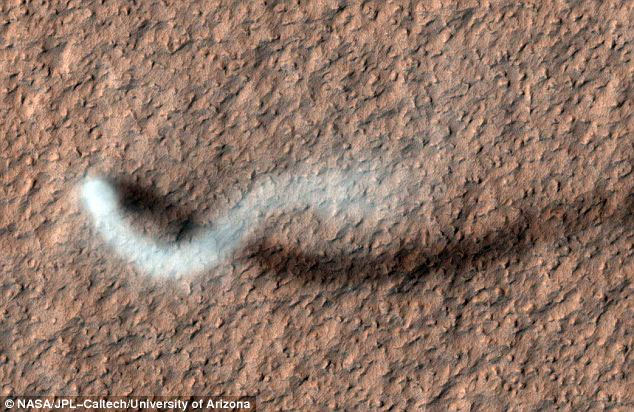
NASA's Mars spy satellite captured high-quality images of 'ghost dust' that appeared along the surface of Mars. The phenomenon of 'ghost dust' also appeared on Earth, ma…

Photographs by the spacecraft Mars Reconnaissance Orbiter show many rocks falling from a cliff on the surface of Mars and leaving deep trenches on the dust. The stones h…
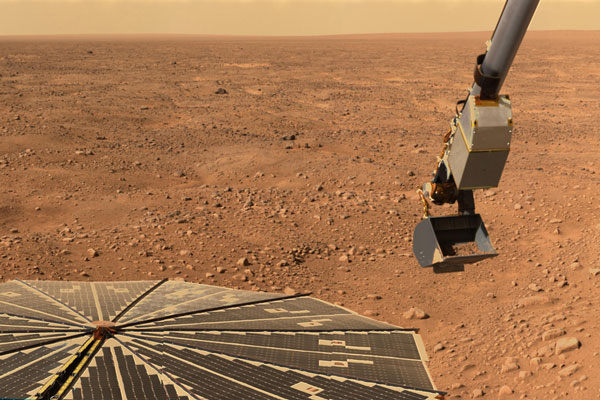
Serious arid conditions that last for more than 600 million years on Mars can wipe out all that life, no matter how tough.
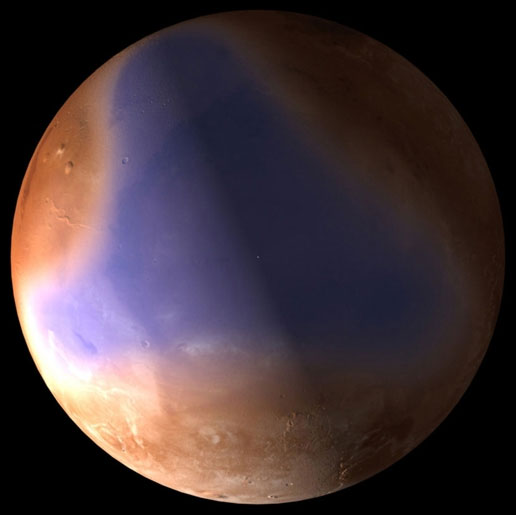
The European Space Agency's (ESA) Mars Discovery program has just proven to have had an ocean that covered part of Mars. The program to use the radar and seabed sediment…
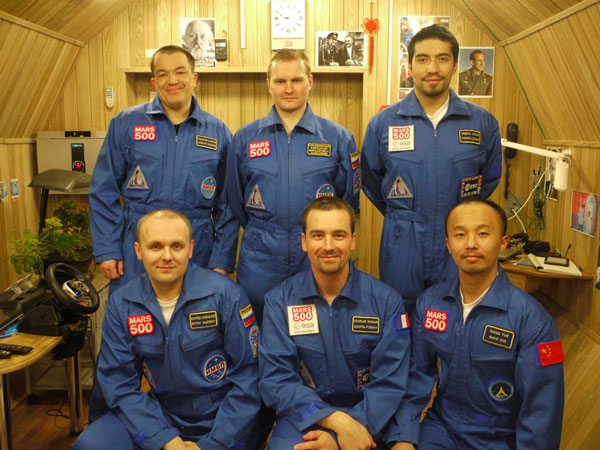
The experiment of interplanetary flight modeling
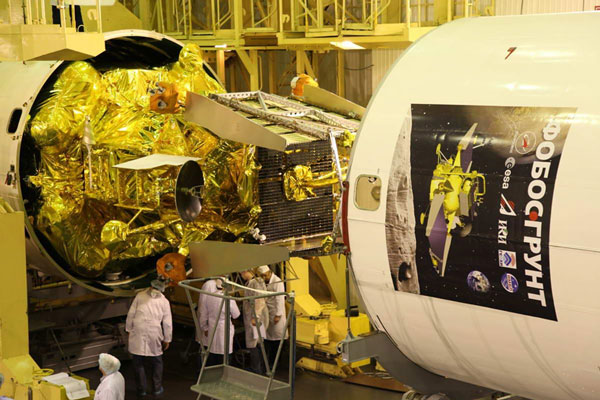
On January 31, the Russian space agency Roscosmos announced the impact of cosmic radioactivity as the cause of the automatic interplanetary Station.
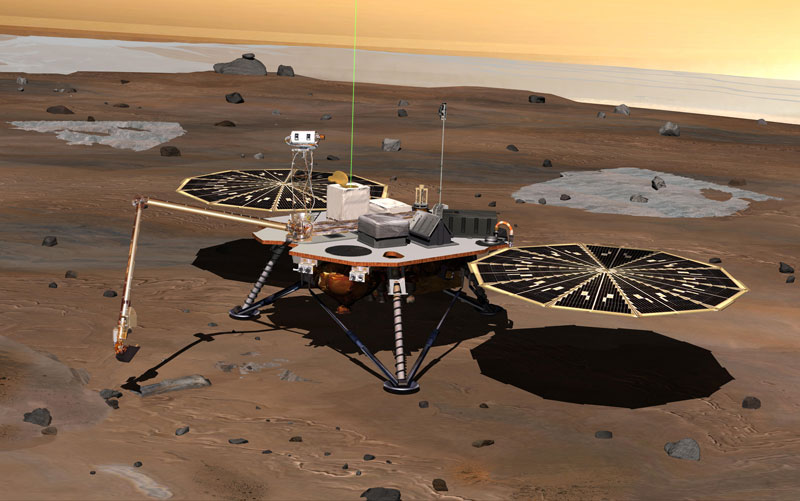
The US Aerospace Agency (NASA) is considering ambitious plans to bring people back and forth to Mars, moving forward to bring people to settle permanently on other plane…
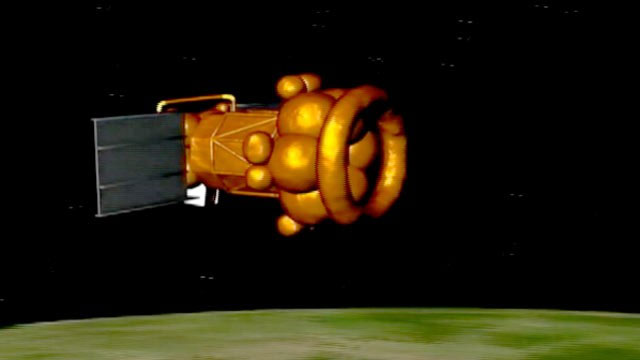
Russian scientists reported that the Phobos-Grunt spacecraft's debris had fallen into the Pacific on Sunday 15 October after failing to complete the mission to explore M…
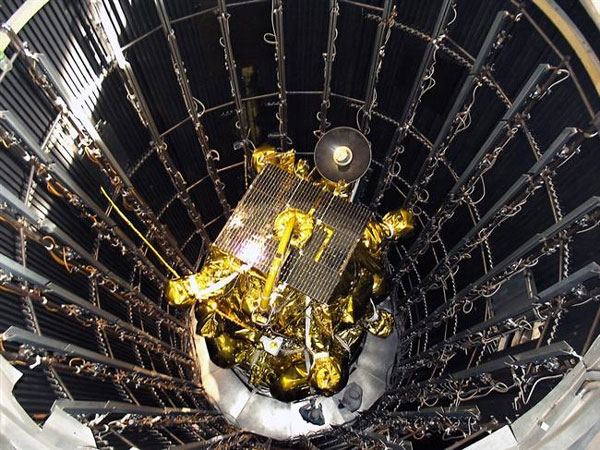
The reporter in the Russian Federation led the news in the newspaper
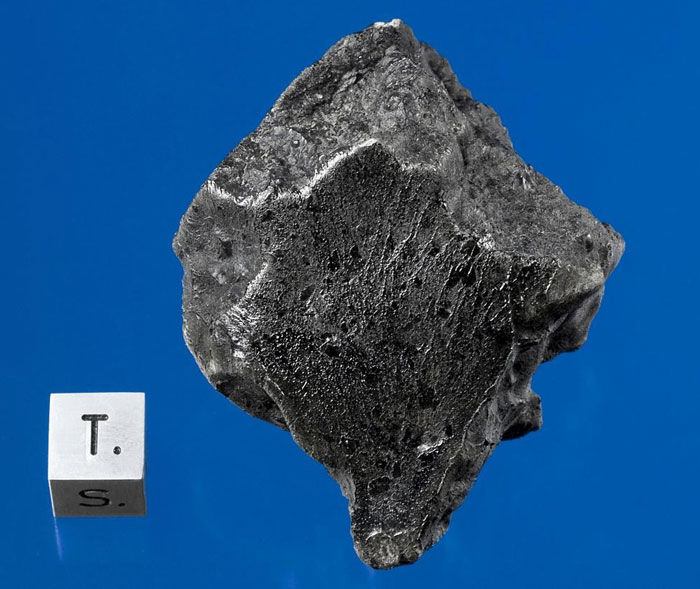
A meteorite plunged into North Africa in July last year and scientists confirmed yesterday that the stone was once part of Mars.
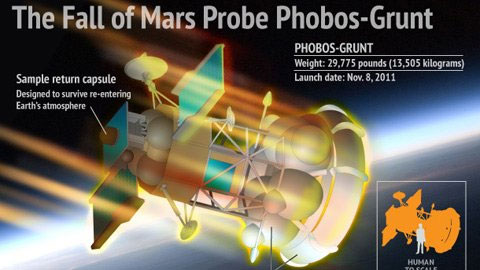
In the latest dramatic development of the failed Russian launch of the Phobos-Grunt, it seems that the US military has removed many links on a website that tracks the da…
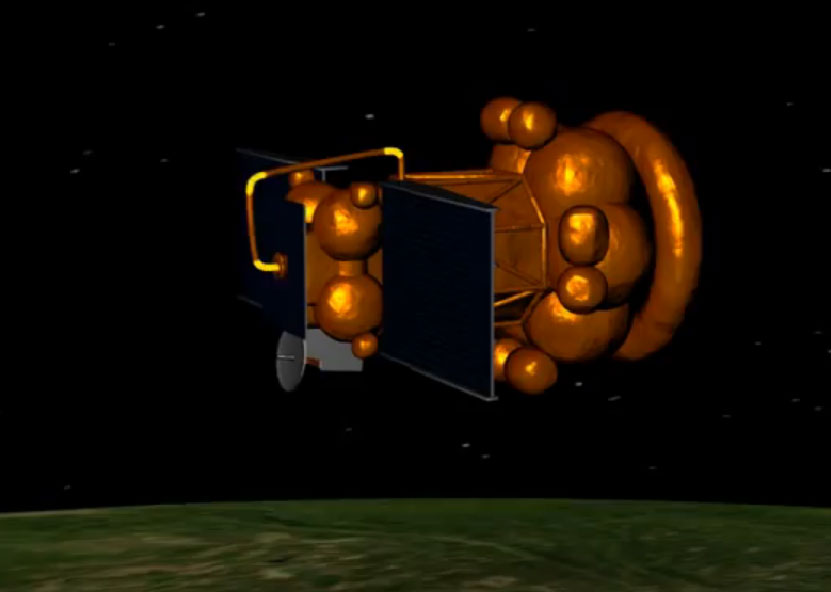
A US State Department spokesman denied that the failed launch of Russia's Phobos-Grunt probe was caused by a powerful electromagnetic wave emitted by an American radar.
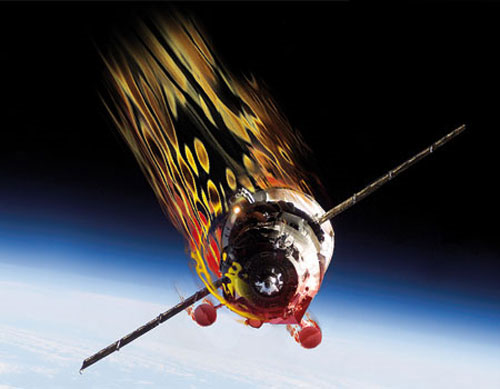
Russia admits the fragments of the Phobos-Grunt spacecraft will likely fall back to the ground next week.