Conquer Mars
'Mysterious force' turns a planet into a second Earth
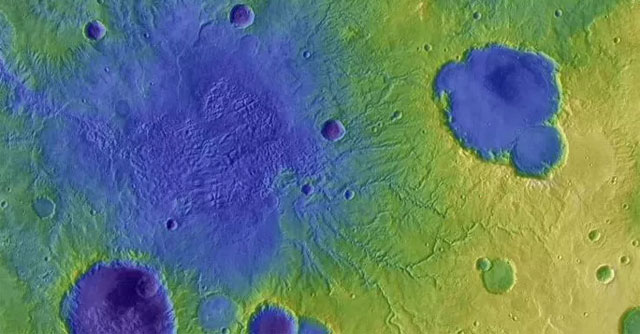
New research from the US shows that ancient Mars - the world thought to have been wetter than Earth - quickly and spectacularly possessed river valleys similar to ours.
Browse ScienceInfo articles and explainers related to Martian.
183 published items.
New research from the US shows that ancient Mars - the world thought to have been wetter than Earth - quickly and spectacularly possessed river valleys similar to ours.
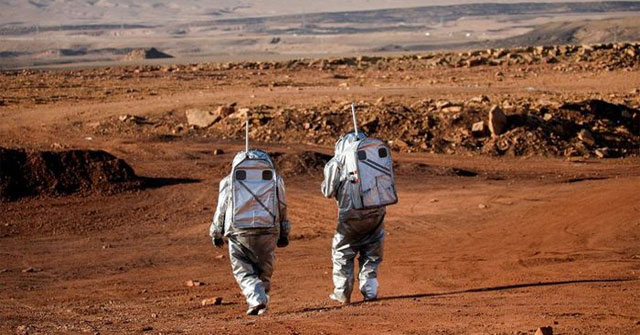
On October 10, under the Ramon crater in the southern Israeli desert, a six-person team of five men and one woman began simulating life for about a month on Mars.
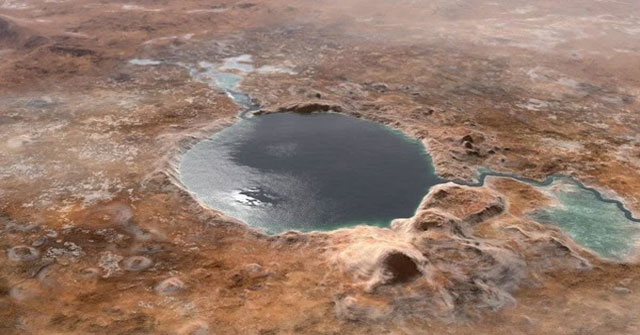
A large river once supplied water to this low-lying area. Most likely, the water source was also the source of life for Martian organisms that existed billions of years…

Perseverance robot, Chuc Dung, Ingenuity helicopter, ... reconnect with Earth and continue the mission to explore the red planet.

This photo appeared a few years ago, but has been widely shared recently.
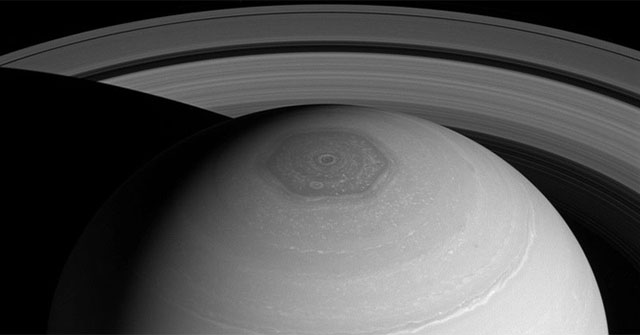
A giant hexagonal storm appears on Saturn. Until now, scientists have not been able to explain.
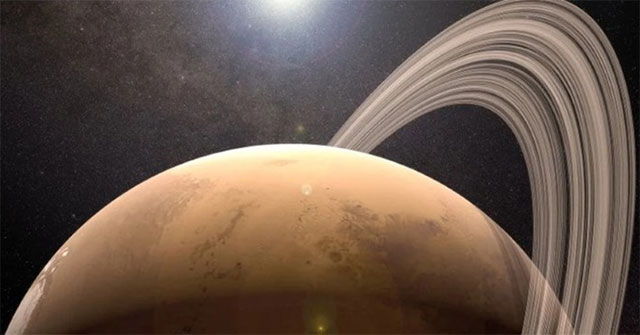
Education & Training - The latest research provides evidence that Mars has in the past been surrounded by a material belt. What happened to that belt?
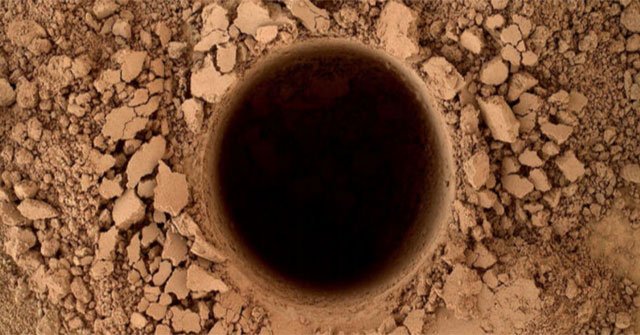
Scientists have issued a warning about the risk of infection of pathogens that humans have never known to astronauts on missions to discover new planets like Mars.
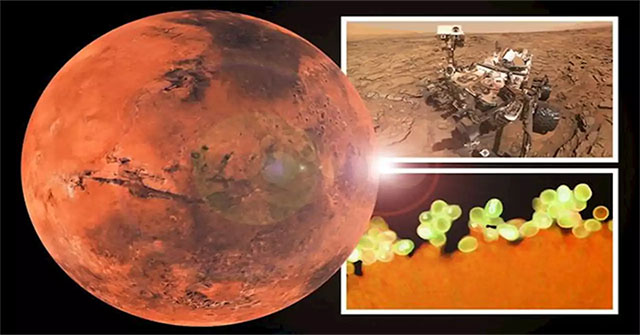
Curiosity rover, NASA's self-propelled Mars exploration robot has discovered a form of organic matter similar to that found in fungi and ancient microorganisms on Earth.
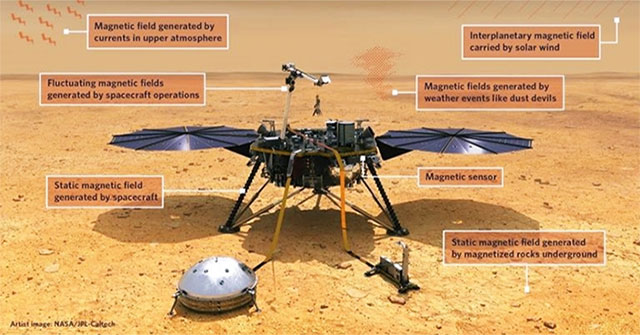
The Insight probe discovered that the Elysium Planitia plain north of the Martian equator has a magnetic field 10 times stronger than NASA's expected.
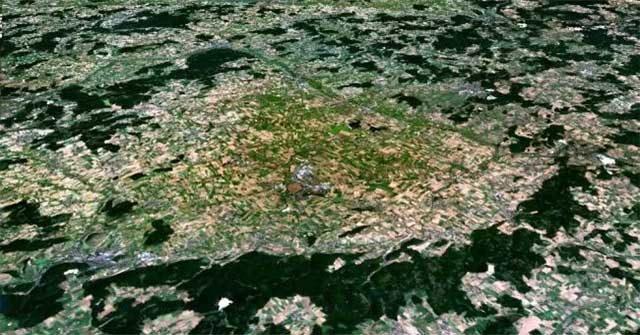
An ancient town in Germany was accidentally built by humans on land with alien characteristics like the giant Jezero life pit in Mars.
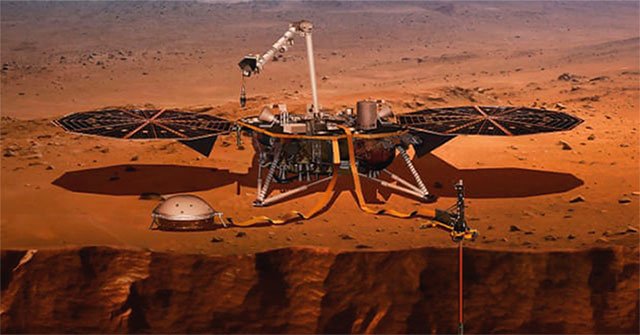
Most of the Martian earthquakes recorded by the InSight were relatively mild and located at great depths, about 30-50 km.
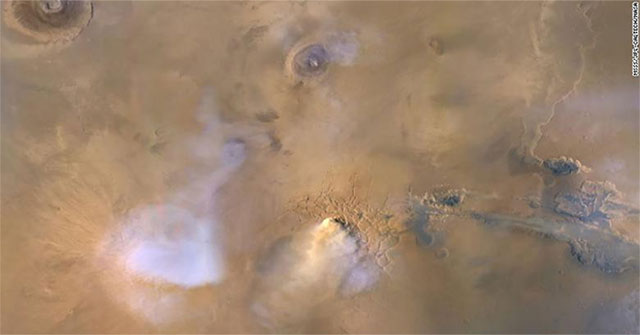
The discovery of frozen water just 2.5 cm below the surface of Mars could open the door for humans to set foot on the Red Planet in the near future.

NASA's InSight landing gear (NASA) detected a total of more than 100 pulses on the planet, of which 21 were strong like earthquakes.
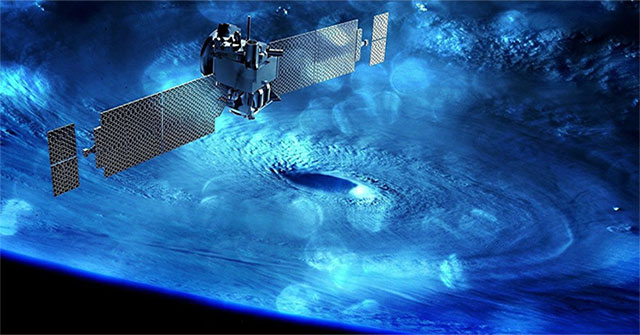
On Earth, water molecules stick to tiny sea salt particles or dust blowing into the air to form white clouds.