
Discover science
What would happen if humans entered 4-dimensional space?
Humans entering 4-dimensional space is a fascinating science fiction topic, but also contains many mysteries and challenges.
Browse ScienceInfo articles and explainers related to Membrane.
175 published items.
Humans entering 4-dimensional space is a fascinating science fiction topic, but also contains many mysteries and challenges.
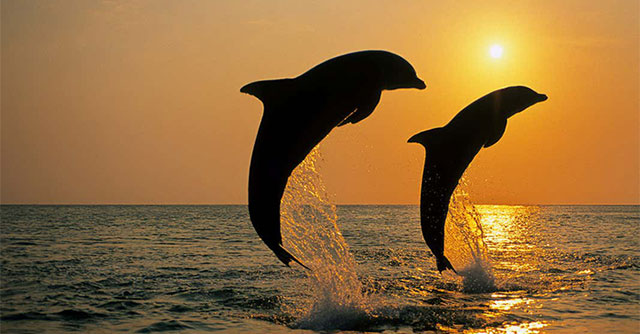
Dolphins need water to survive and function, but in the ocean, they cannot drink seawater directly. So how do dolphins rehydrate?

The ions create a chemical reaction in the cell membrane that inactivates the virus, reducing it by 99.9% within minutes, according to Philip Tierno, a professor at New…
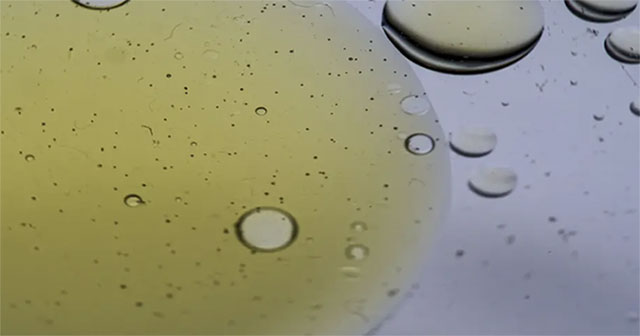
According to Interesting Engineering, researchers in China have revealed a new, extremely efficient technology for separating oil and water mixtures.
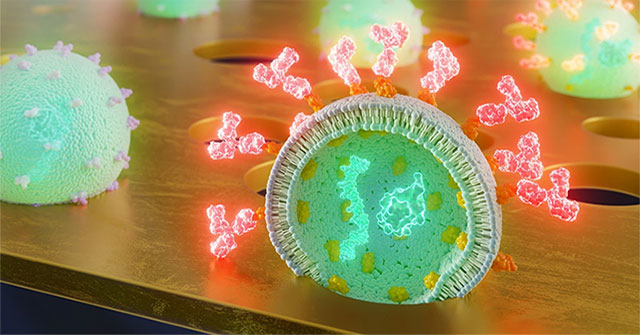
According to SciTechDaily, this cancer testing method uses an ultra-thin membrane to capture extracellular vesicles.
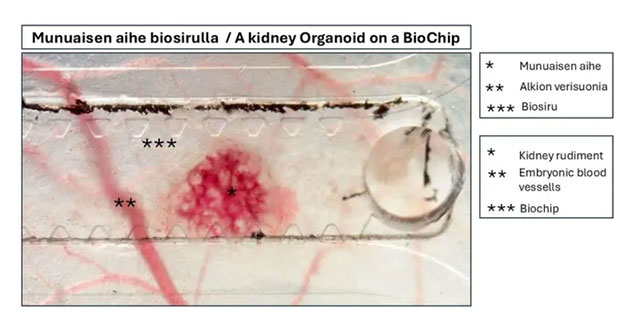
Organoids, with structures and functions similar to actual organs in the body, play an important role in biomedical research.

In testing, the adhesive device with a curved, elastic body and deformable membrane was able to maintain its strength through 100 cycles.

Washing alone cannot completely clean fruits and vegetables. Some pesticide residues remain on the surface of the fruits and vegetables. The only way to clean them is to…
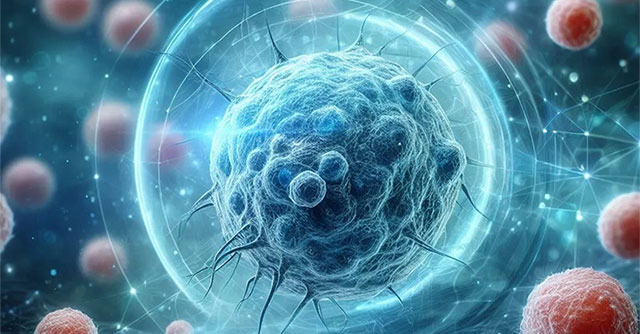
American scientists destroyed cancer cells in the laboratory with a special vibrating molecule, stimulated with near-infrared light.

Drinking non-alcoholic beer during fun meetings with friends and partners is becoming more and more popular.
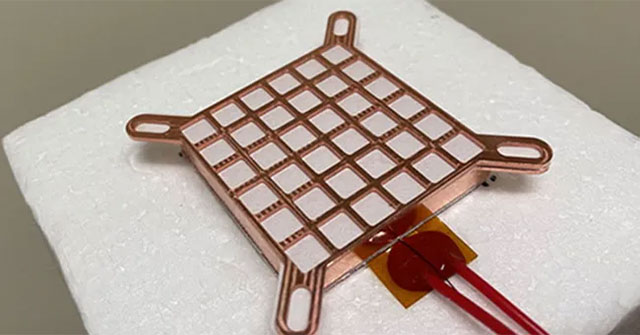
A recently published scientific study has shown
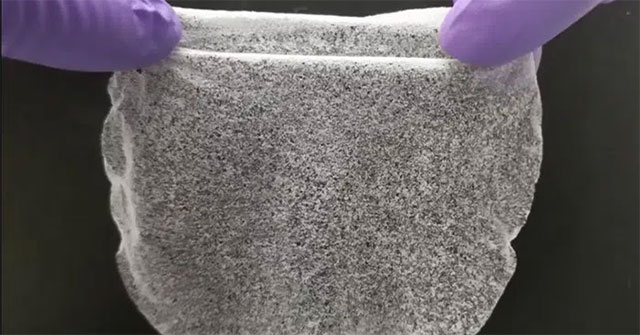
Researchers at the University of Texas at Austin have now demonstrated an inexpensive gel membrane that can suck many liters of water a day out of the air.
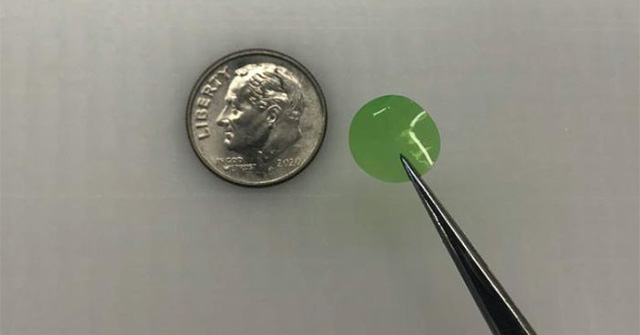
Newly developed luminescent sensor technology implanted under the skin does this, and promises to be used to easily measure other levels of substances in the blood.
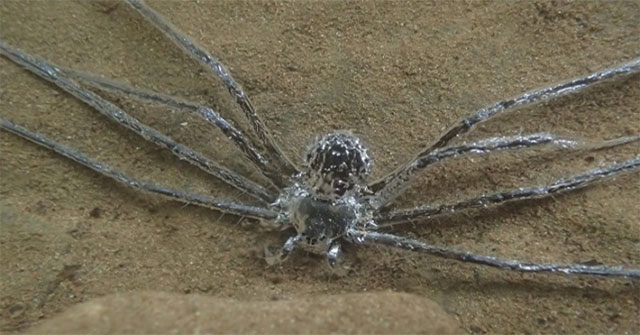
A tropical spider uses air membranes to hide under water and hide from predators for half an hour, surprising scientists.
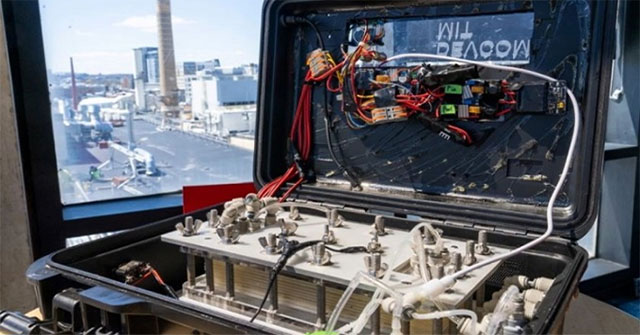
The new device, developed by professor Jongyoon Han and colleagues at the Massachusetts Institute of Technology (MIT), produces drinking water from seawater with only a…