Space science
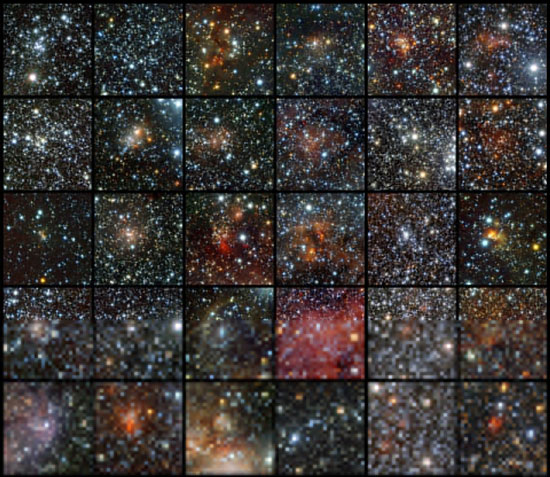
96 stars were discovered in the Milky Way
International astronomers have discovered 96 new cluster stars hidden behind dust in the Milky Way after studying data from the VISTA telescope at the Paranal Observator…
Browse ScienceInfo articles and explainers related to Milky Way.
202 published items.
International astronomers have discovered 96 new cluster stars hidden behind dust in the Milky Way after studying data from the VISTA telescope at the Paranal Observator…
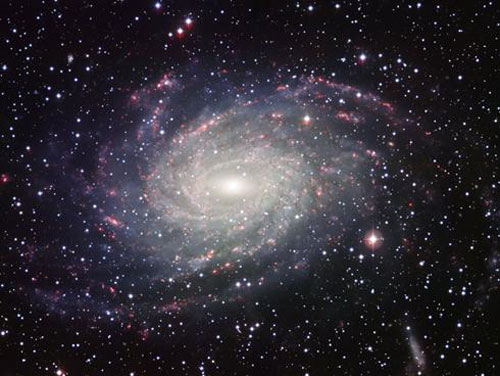
Astronomers have just announced a picture claimed to be the most beautiful ever about NGC 6744, a spiral galaxy described as human
Astronomers have just discovered one
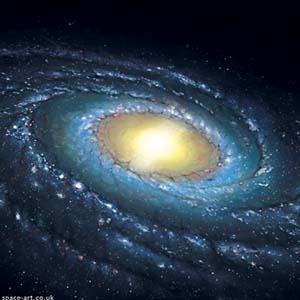
Scientists have for the first time estimated the number of planets in our galaxy and published huge numbers: There are at least 50 billion planets in the Milky Way.
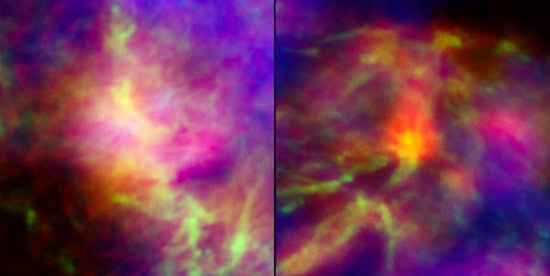
The strange mist in the Milky Way made the scientific world a headache for decades as a swirling dust cloud at a rate of more than ten billion times per second.
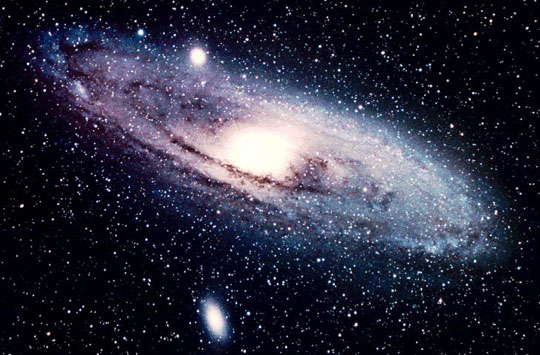
Tien Nu, a galaxy spiraling closest to the Milky Way, formed after the collision between two smaller galaxies.
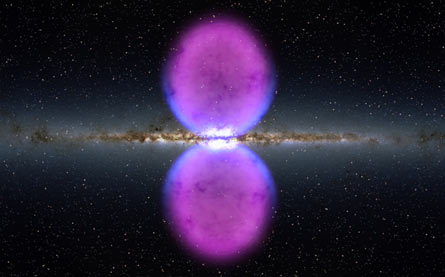
The Milky Way is blowing air bubbles into space. A twin bubble of air is blown up by gamma rays, the size of each is equivalent to the size of a small galaxy, ...
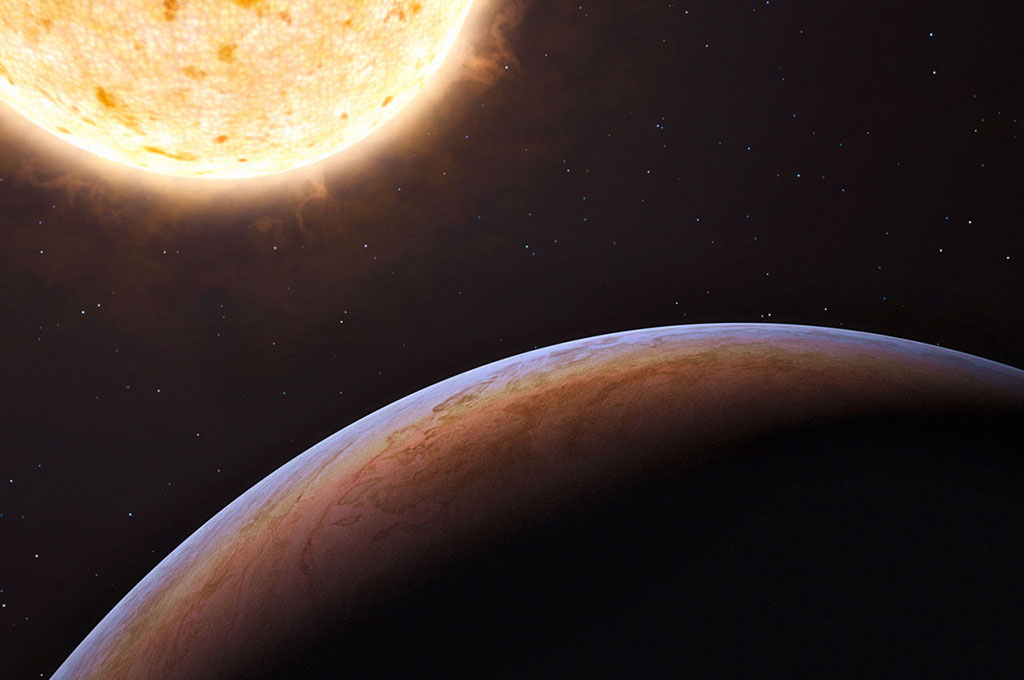
Recent world astronomers have confirmed the discovery of a strange planet, belonging to another galaxy

Two giant bubbles spew out gamma beams that appear in the center of the Milky Way and astronomers don't know where they were born.
The Milky Way contains at least 46 billion planets of the same mass as Earth. That incredible amount makes the ability to find life on other planets much bigger.

The US Hubble telescope detected a super-hot blue star moving at speeds of up to 2.56 million km / h.

The Royal Astronomical Society of England said on April 14 that scientists from the University of Manchester have discovered a

The magnetic field at the center of the Milky Way is 10 times more magnetic than the rest of the galaxy.

A galaxy that humans cannot see collides with the Milky Way but it retains its shape.

The Adler, Chicago (USA) astronomical department recently published the latest and most complete picture of a galaxy of 800,000 images of different sizes.