Biology
Caterpillars fake ants tricking artificial intelligence
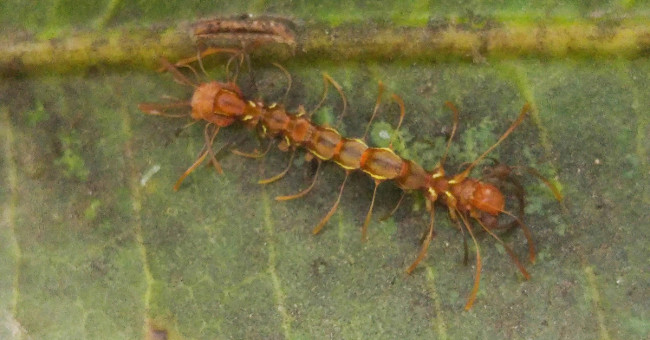
INaturalist's artificial intelligence (AI), a natural photo sharing and storage site, confuses Homodes bracteigutta as an ant, and Newswee reports on 1/12.
Browse ScienceInfo articles and explainers related to Moths.
137 published items.
INaturalist's artificial intelligence (AI), a natural photo sharing and storage site, confuses Homodes bracteigutta as an ant, and Newswee reports on 1/12.
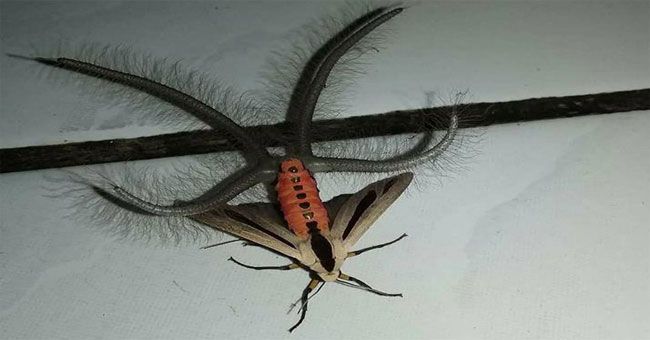
Our green planet is full of weird creatures, so much so that even though it has been recognized for a long time by science, you still don't know what their names are.
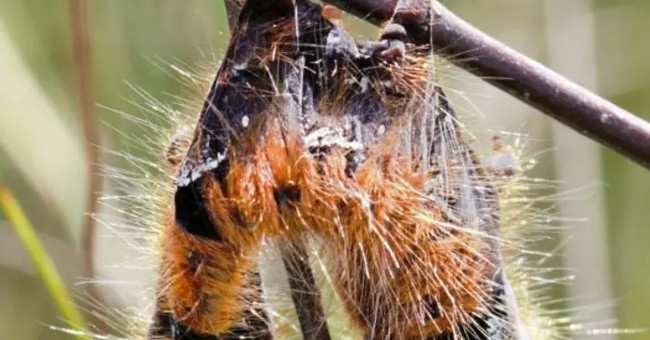
Wildlife experts in the United Kingdom discovered the phenomenon of oak eggar worms that exploded on the tree due to the virus infection baculovirus, Telegraph on August…
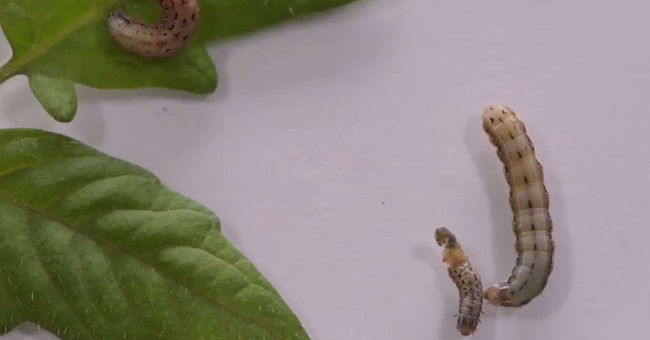
Scientists found that the common American moth named Spodoptera exigua, which eat cannibalism when the tomato leaves were no longer palatable, Science Daily reported on…
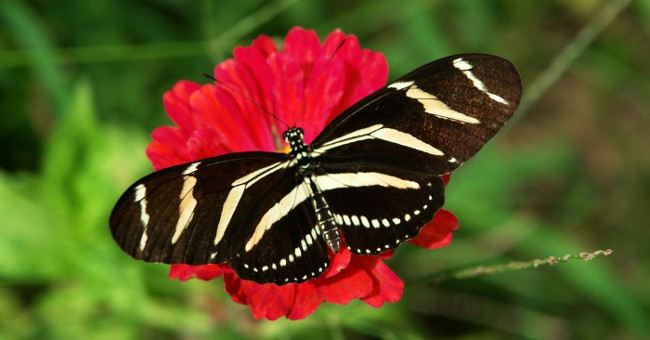
There is a little-known natural secret. That for centuries, butterflies have led the nose of the world.
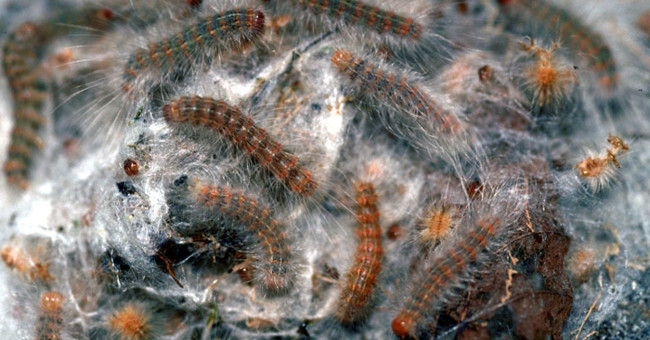
The Hyphantria worm cunea has the ability to thread into a network like a spider that can frighten many people.
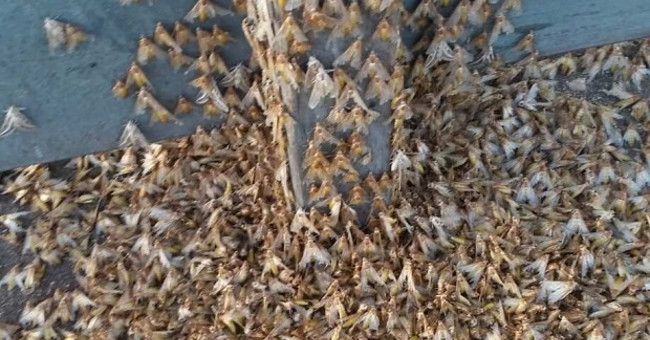
The small town of Winton, with 1,000 residents in Queensland, Australia, was covered by the thick carpet made up of millions of massive moths that appeared after the flo…
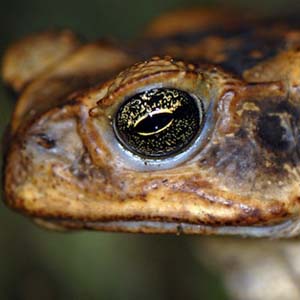
The appearance of an alien creature can permanently alter or destroy native flora and fauna. Natural development history has recorded invasions that have permanently cha…
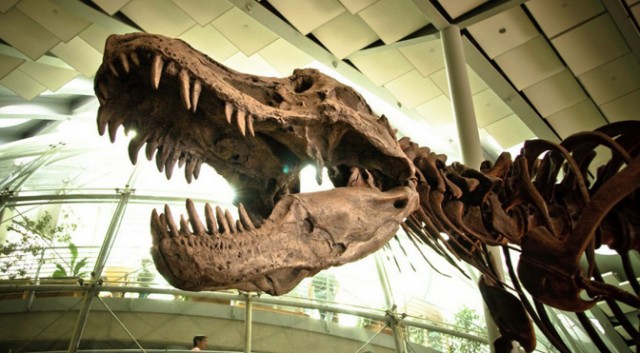
The resurrection of dinosaurs is extremely difficult and unlike what we saw in the movie.
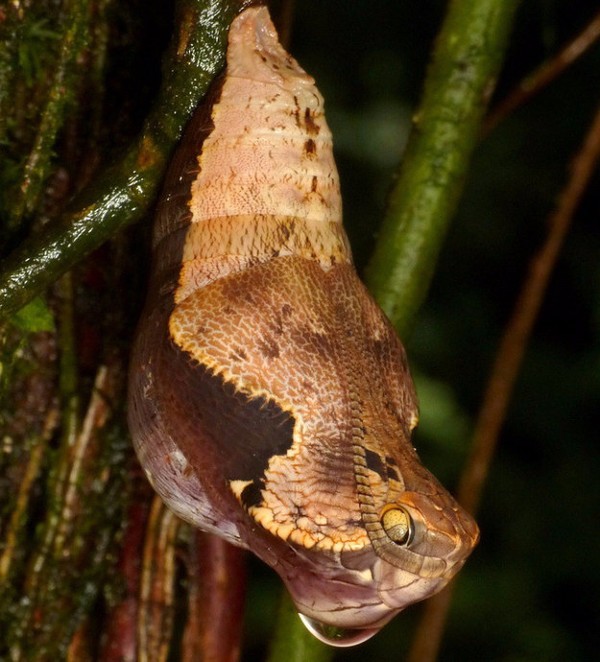
Experts are very surprised when they do not know whether this creature is a butterfly or snake at the first time
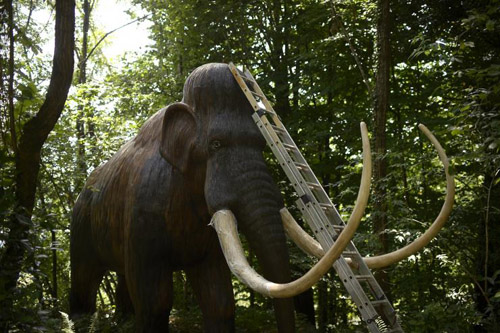
A group of international experts completed the genetic sequence of fine-haired mammoths, to study the extinct species and hope to revive them.

Looking from afar, this greasy green caterpillar seems to be a very attractive dish for any predator.
Moth larvae transform the body shape with many snake-like characteristics, which can camouflage the enemy.
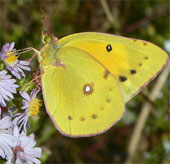
Modern moths eat at higher temperatures in response to climate change.
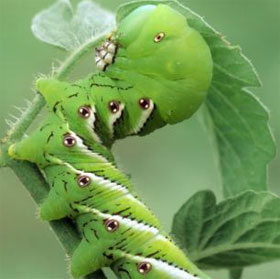
A caterpillar that feeds on tobacco leaves contains toxic nicotine, has used the technique