Discover science
Is death the end?
Research uncovering a third state of living things, beyond life and death, is challenging scientists' fundamental understanding of cell behavior.
Browse ScienceInfo articles and explainers related to Multicellular.
27 published items.
Research uncovering a third state of living things, beyond life and death, is challenging scientists' fundamental understanding of cell behavior.
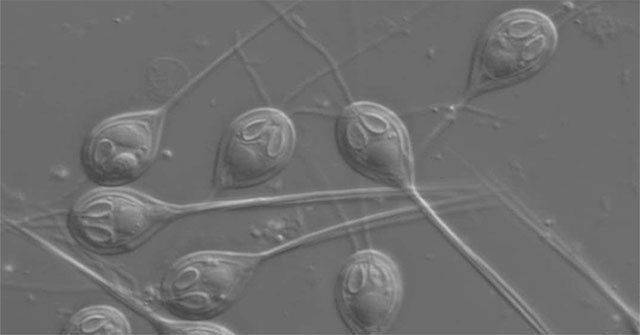
Scientists have discovered a jellyfish-like parasite that does not have a mitochondrial genome. That means he doesn't breathe and lives a life completely free of oxygen.
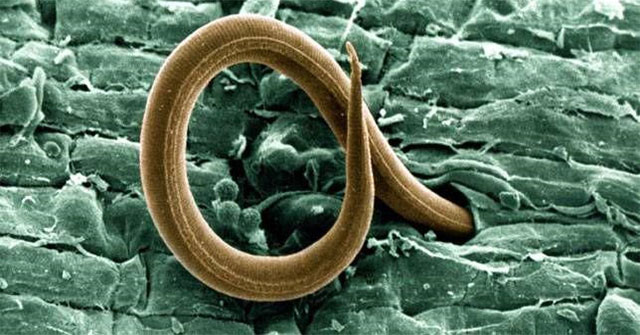
The multicellular bacteria and animals are gradually recovering when the polar ice begins to melt. One of the specimens has a life expectancy of up to 41,000 years.
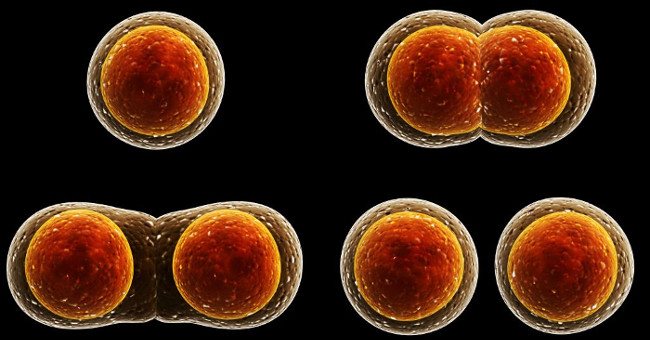
600 million years ago there was a mutation that happened, which was the origin of all modern life on Earth.

A non-sexual reproductive system, without men and without sex seems like a much more efficient path.
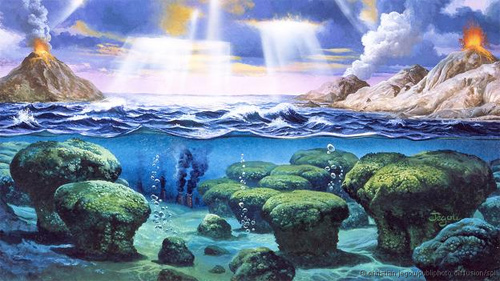
Earth has no oxygen 2.4 billion years ago. Experiencing a leap of evolution, when oxygen appeared, the planet's ecosystem changed completely.
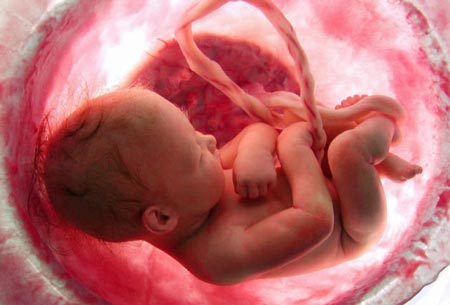
Using an extremely advanced medical simulation technique, American image maker Alexander Tsiaras has produced an extremely elaborate video, revealing the summary but ful…

In some locations, oxygen is sufficient for multicellular organisms such as sponges to live. The study was published in the October issue of Nature Geosciences.
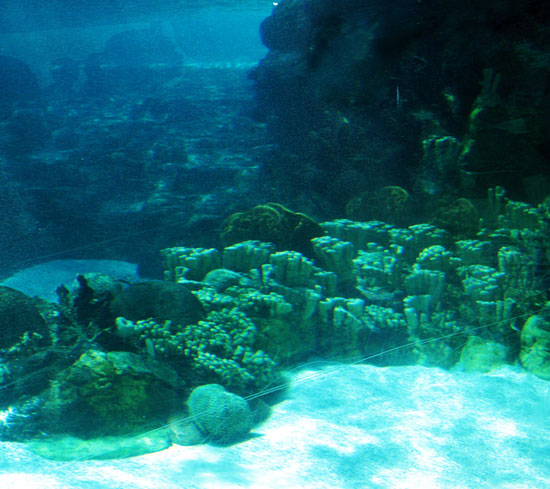
The existence of special minerals in ancient coral reefs shows that 650 million years ago, Earth's oceans had very little oxygen, according to Australian researchers on…
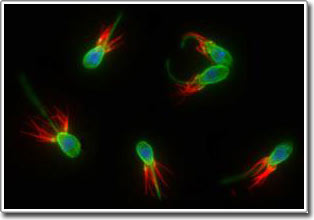
The newly established genome of a plankton, which consists of only one living sea cell, was published on Feb. 14 in Nature. This genome informs scientists about the evol…
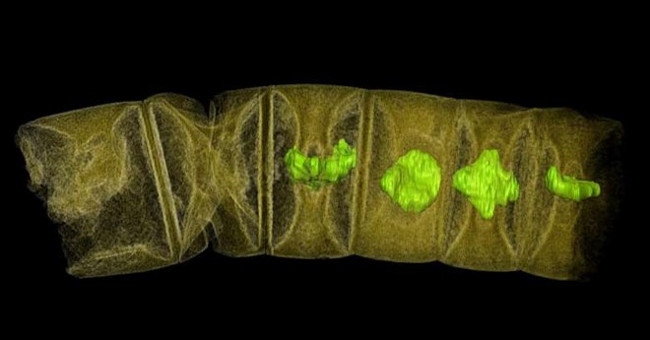
Two red algae-like fossils are believed to be the oldest plant fossils ever found on Earth, shattering the hypothesis of life history on the green planet.

Chinese scientists found that the fossil fossil could help decipher the question of whether or not 600 million years ago Earth had an animal.

The pre-Cambrian fossil discovered in the rocks of southern China suggests that the life of complex multicellular organisms appeared at least 600 million years ago.
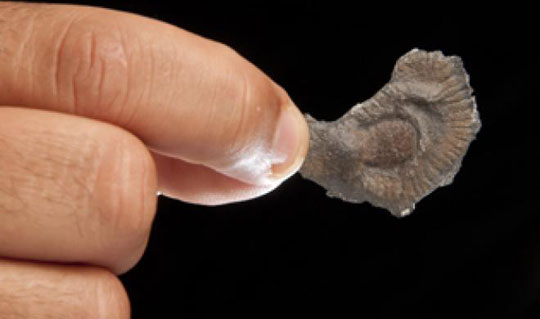
Multicellular organisms can evolve in the pre-Cambrian period, 100 million years earlier than the previous scientific calculations.
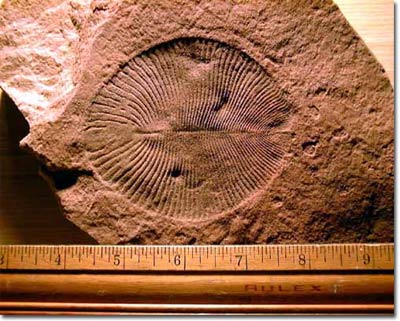
600 million years ago, just before the Cambrian century many multicellular life forms appeared through evidence of fossils in Ediacara.