
Archeology
3,600-year-old cheese 'reveals' secrets of ancient food preparation
During excavations of Bronze Age tombs in the Taklamakan Desert in northwestern China, scientists discovered ancient mummies buried with cheese.
Browse ScienceInfo articles and explainers related to Mummy.
470 published items.
During excavations of Bronze Age tombs in the Taklamakan Desert in northwestern China, scientists discovered ancient mummies buried with cheese.

The incisions and cuts on the skin of the mammoth mummy were the result of ancient people trying to butcher it with stone tools.
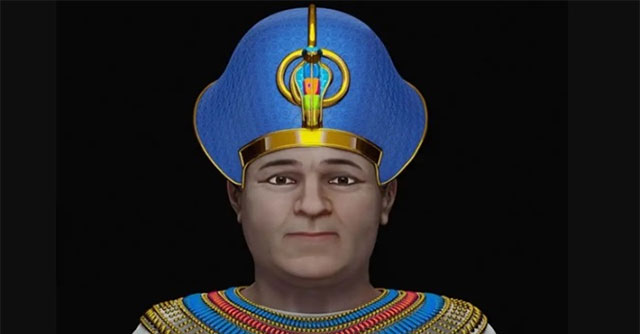
Researchers recreated the portrait of pharaoh Amenhotep III, believed to be one of the wealthiest men in history.
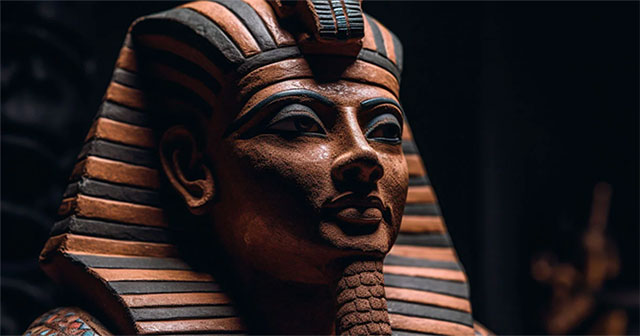
Another precious piece of the puzzle about Ramesses II, the most praised pharaoh of ancient Egypt, has just been revealed.
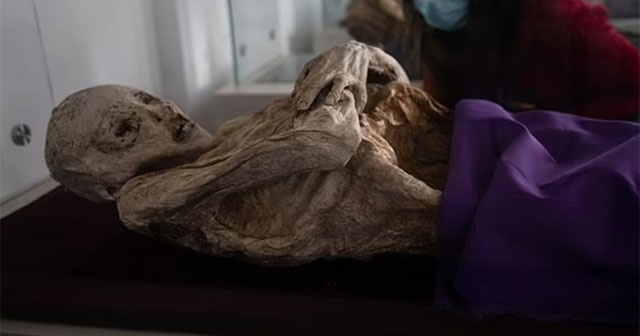
Researchers suspect the San Bernardo cemetery's humidity and mountainside location helped dry the bodies and create natural mummies.
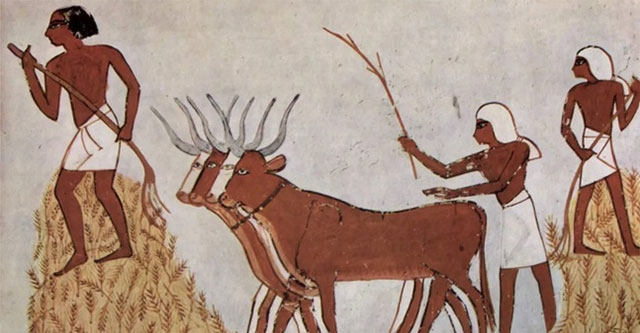
Few people realize that, in addition to mummies and pyramids, the ancient Egyptians also left another very special legacy to this day, which is taxes and administrative…

Tutankhamun, also known as King Tut, was an ancient Egyptian pharaoh whose lavish tomb became world famous after its discovery in 1922.
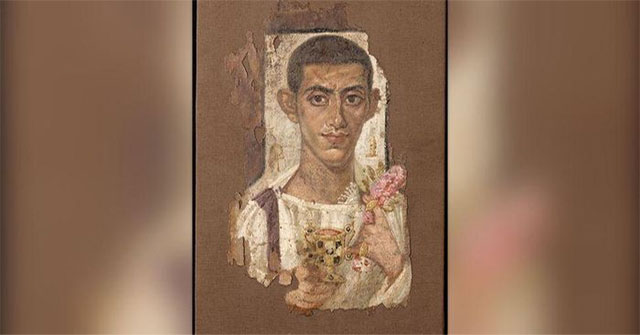
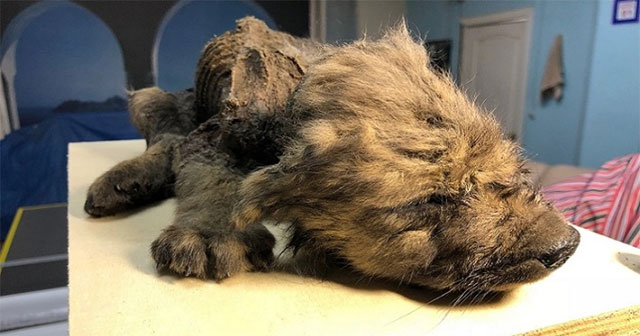
An international team of geneticists and archaeologists, led by the Francis Crick Institute, has found that the dog's ancestry may have come from at least two ancient wo…
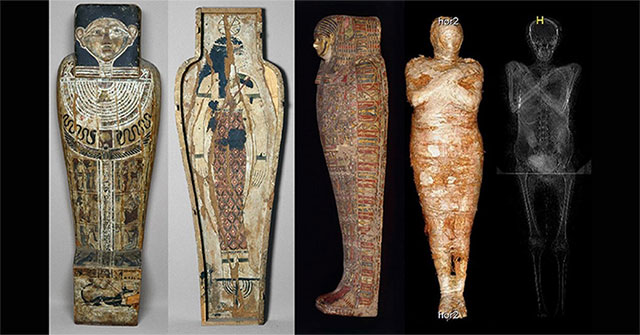
Mummy was a medicine prescribed in Europe more than 500 years ago. Why do Europeans think eating mummies is good for health?
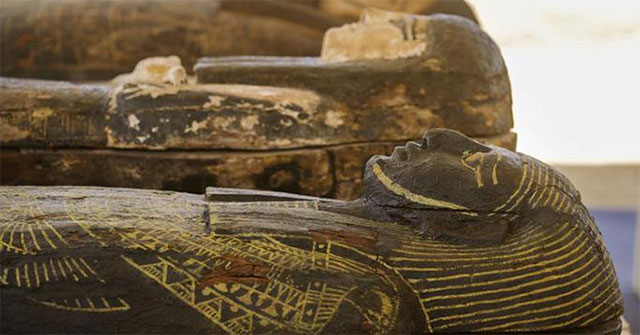
In the shadow of Saqqara's oldest pyramid - the mecca of Egyptian mummies - 250 mummies, 150 bronze statues and countless stunning treasures from recent excavations are…
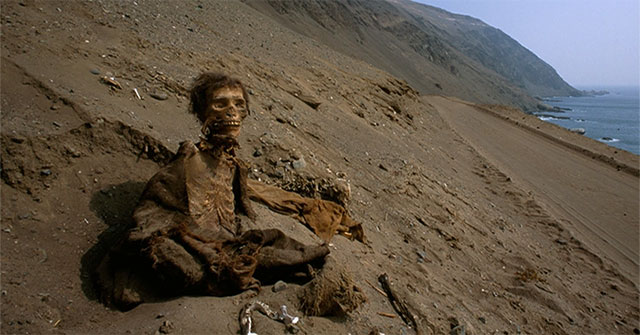
The Egyptians were famous for their mummies. However, they were not the first to discover the recipe for mummification.
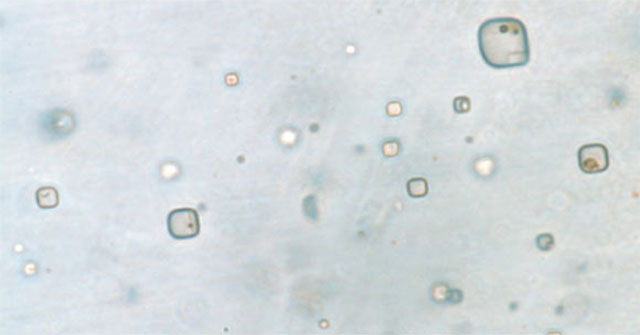
Perfect mummies of ancient microorganisms, which look like they died yesterday, have been revealed in halite crystals from the Protozoic Browne Formation of Central Aust…

Mummy brown was first made in the 16th century from crushed mummy powder, white powder, and myrrh and was loved by many artists.
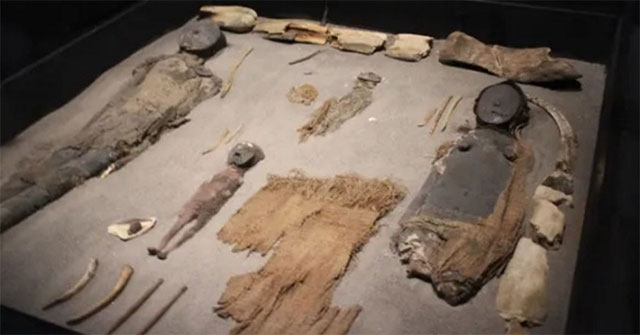
The cemetery in the Atacama desert, where the ancient Chinchorro people decorated and buried mummies, is increasingly affected by climate change.