Space science
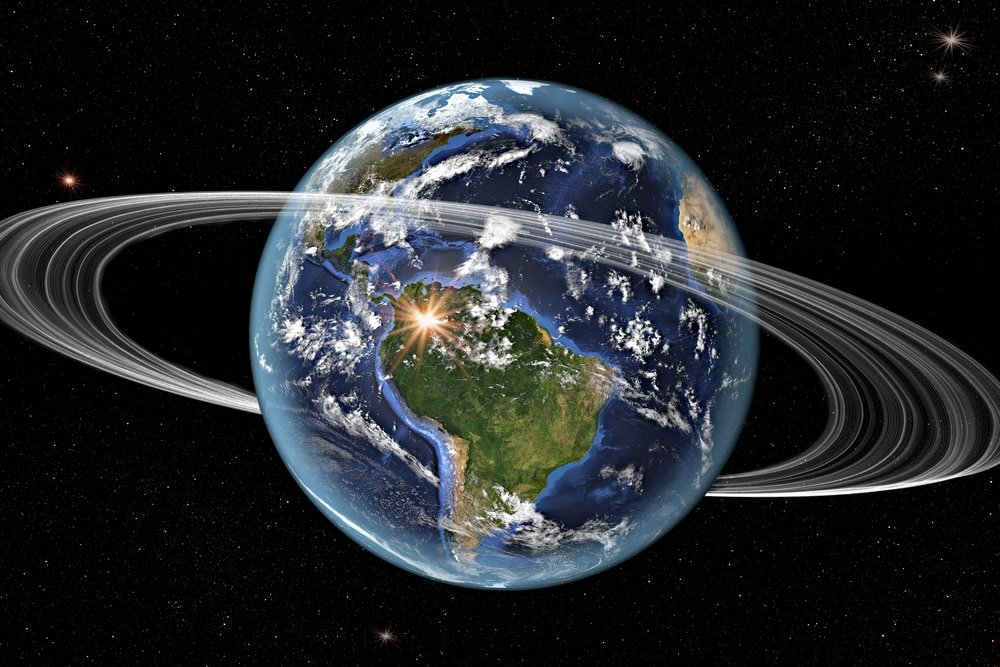
Earth is forming Saturn-like rings 'made up of space junk'
Along with pollution on land, in water and in the air, the Earth now faces additional orbital pollution due to an increase in space junk.
Browse ScienceInfo articles and explainers related to NASA.
3,231 published items.
Along with pollution on land, in water and in the air, the Earth now faces additional orbital pollution due to an increase in space junk.
The latest survey of American astronomy and astrophysics from 2022 to 2032 recommended that NASA create a new program to develop several large telescopes.
The Martian sunset in the new image of the Perseverance robot does not have the usual blue color because the atmosphere contains less dust.
Mars is a planet of spectacular contrasts - the largest giant volcanoes in the solar system, the deep valleys.
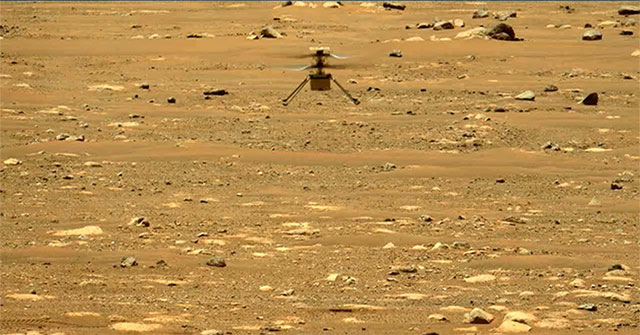
Ingenuity, a small powered and piloted rover, continues to set new records in its exploration of Mars.
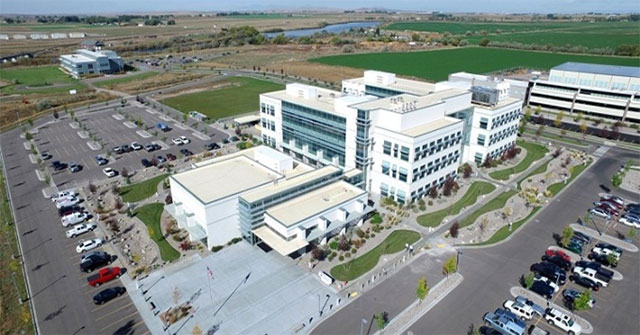
NASA is working to design an abundant and sustainable power supply on the Moon by means of fusion.
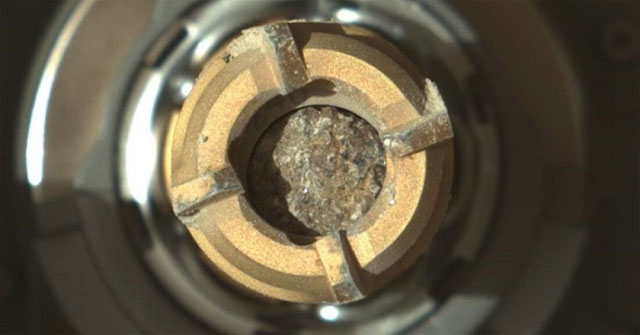
The green mineral olivine in the latest specimen collected by the Perseverance robot is abundant in the Earth's mantle.

Scheduled to launch in December, the James Webb telescope is expected to answer people's questions about how the universe formed and life beyond Earth.
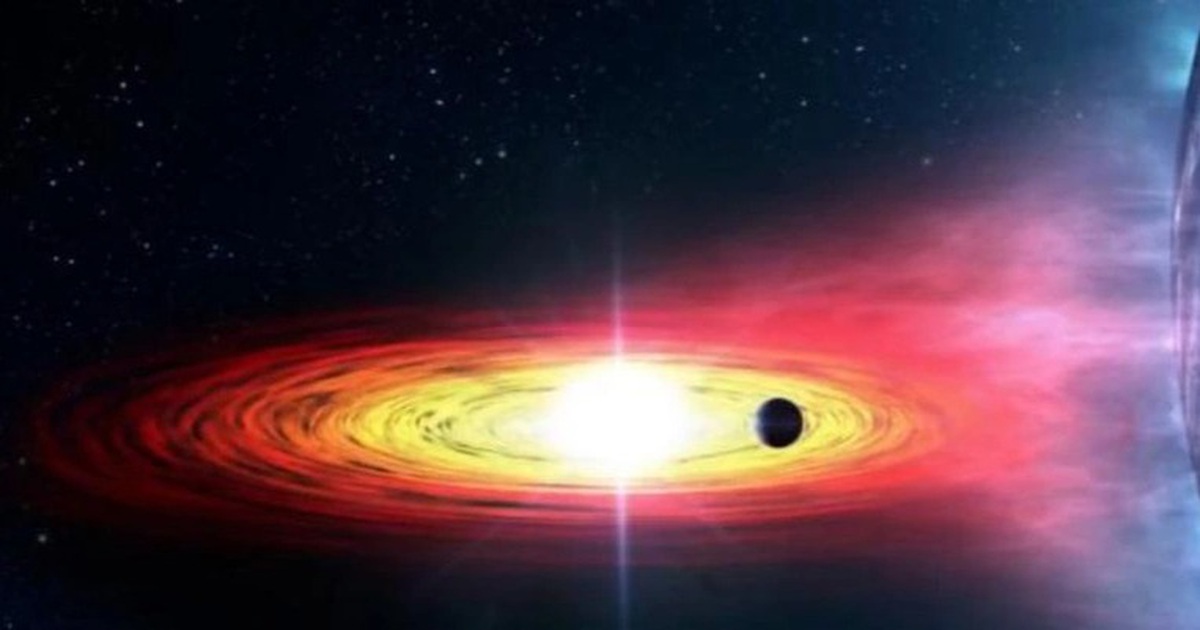
Scientists have detected signs of a transiting planet outside the Milky Way, and this could be the first planet ever discovered outside our galaxy.
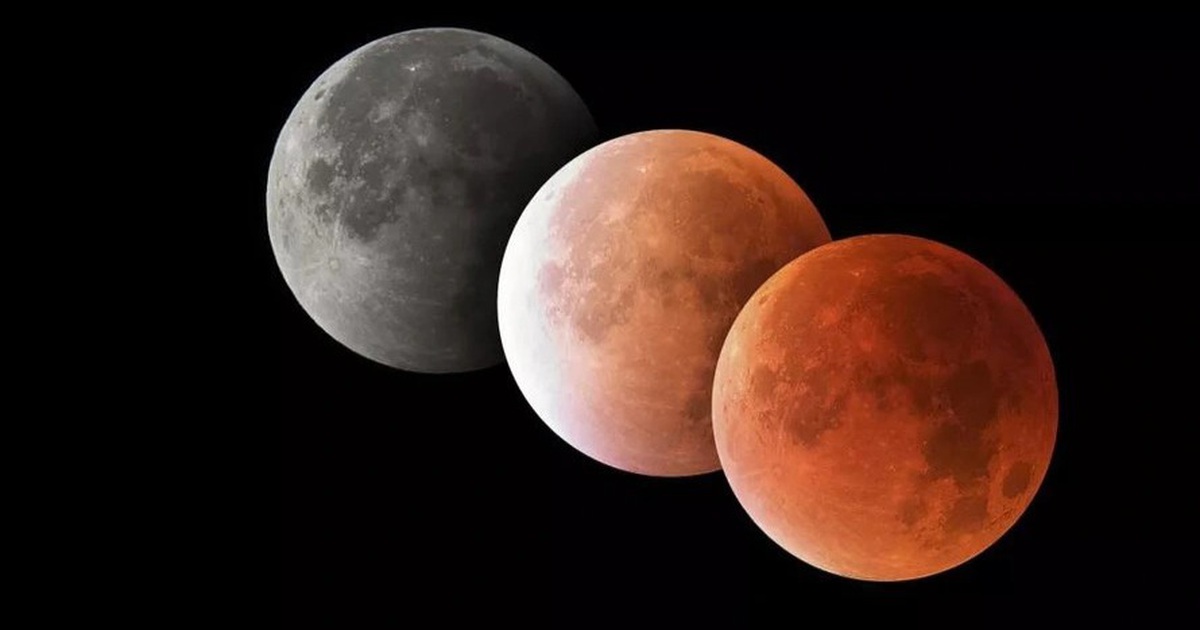
The longest partial lunar eclipse of the century will take place on November 19. According to NASA, this eclipse will last 3 hours and 23 minutes, longer than any lunar…
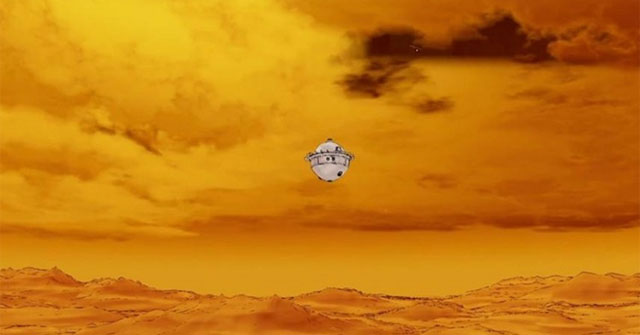
NASA shared a new video that simulates the DAVINCI mission and the scientific research the spacecraft will conduct on Venus, the most inhospitable planet in the Solar Sy…
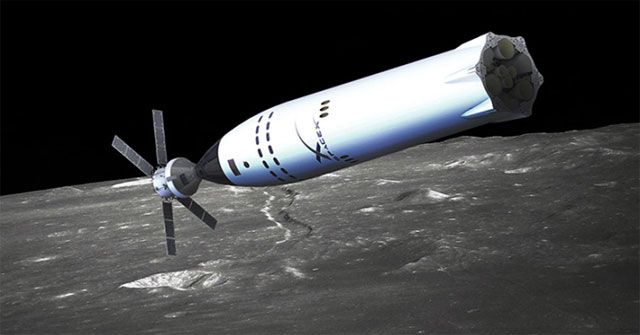
The NASA director said on November 9 that the flight to carry astronauts back to the Moon after five decades would not take place earlier than 2055.
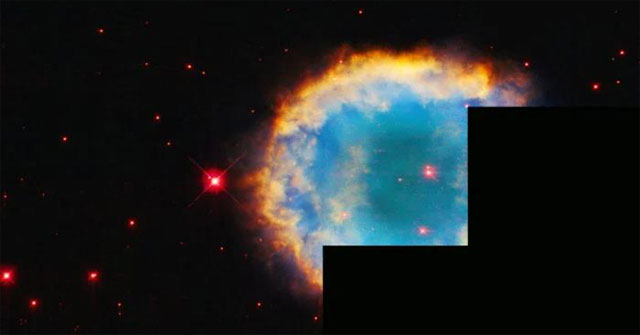
The Hubble Space Telescope - being operated jointly by NASA and ESA - has captured a beautiful nebula 1,370 light-years away.
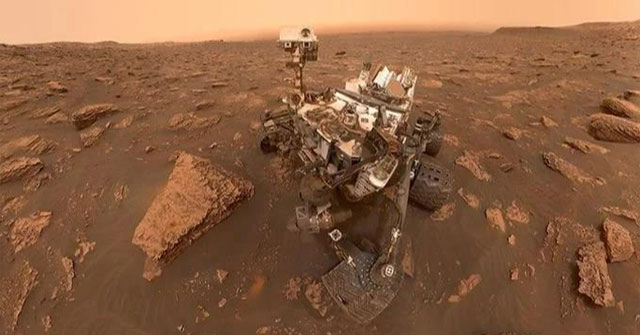
A new technique performed by Martian warrior Curiostiy has helped uncover traces of the previously unknown building blocks of life on this mysterious planet.
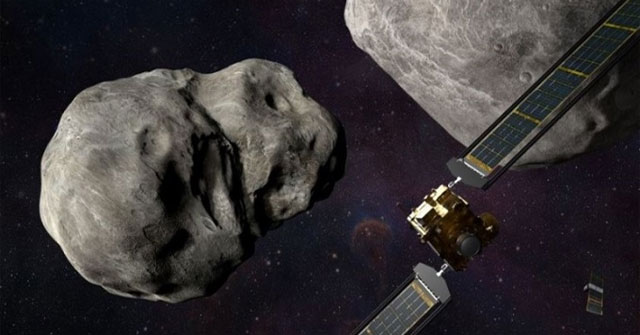
For the first time, NASA will launch a spacecraft to crash into a small asteroid and change its orbit to test planetary defense tactics.