Space science
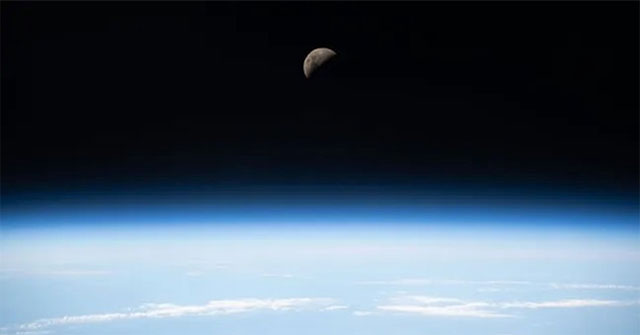
The moon begins its total eclipse orbit in 2024
The moon was obscured by the Earth at dawn on March 25. It will then completely obscure the Sun on April 8.
Browse ScienceInfo articles and explainers related to NaSa.
3,231 published items.
The moon was obscured by the Earth at dawn on March 25. It will then completely obscure the Sun on April 8.
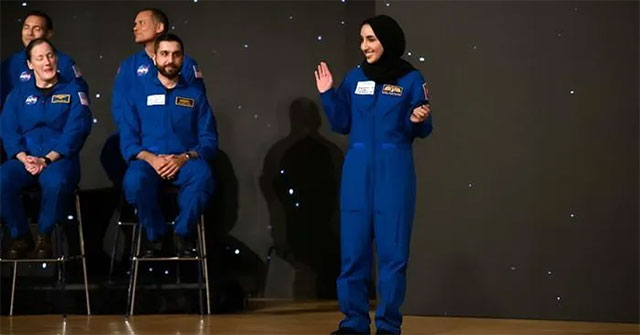
Nora Al Matrooshi, 30, became the first Arab woman to graduate from the US Aeronautics and Space Administration (NASA) training program.
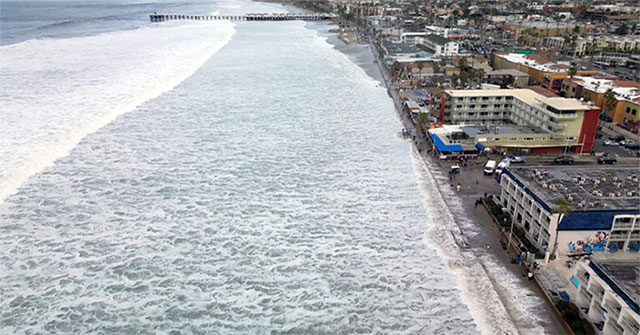
On March 21, the US Aeronautics and Space Administration (NASA) said that sea levels will rise 76mm in the period 2022 - 2023, nearly 4 times higher than in the period 2…
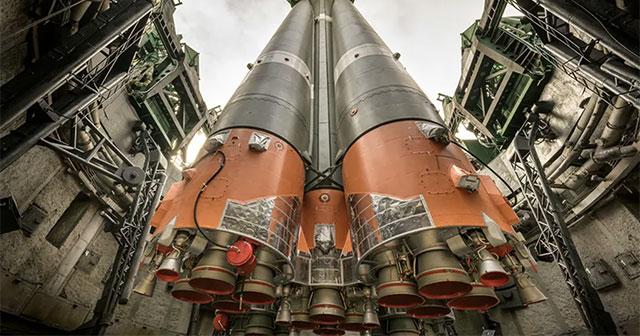
These are the images considered by NASA to be the most memorable in 2023 related to space.
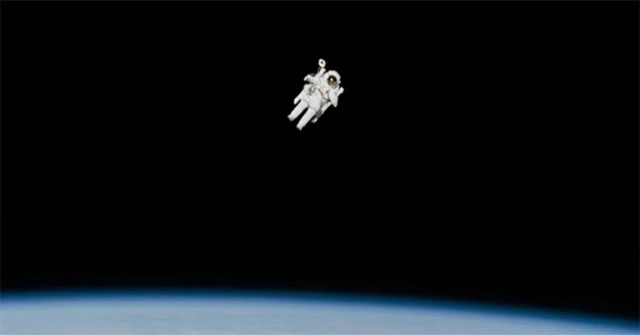
40 years ago, Bruce McCandless II performed the first headless spacewalk, creating a milestone in the history of space exploration.
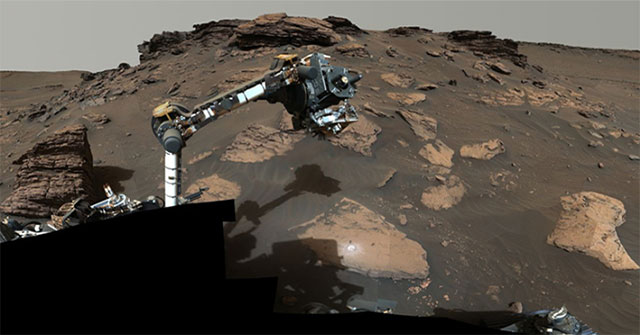
While exploring the arid river delta on Mars, the Perseverance rover collected rock samples rich in organic matter.
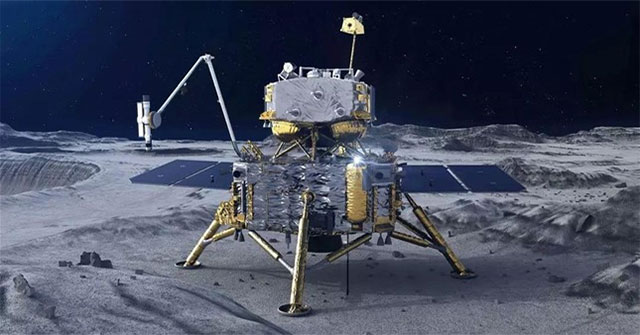
China has approved a plan to conduct three unmanned flights to the Moon, after discovering a new mineral on the Moon that could be a future source of energy.

The failure of the New Shepard has reminded us that launching a spacecraft is still not an easy process.

The story of the most powerful SLS rocket in NASA history - if understood deeply - can make more people love it!
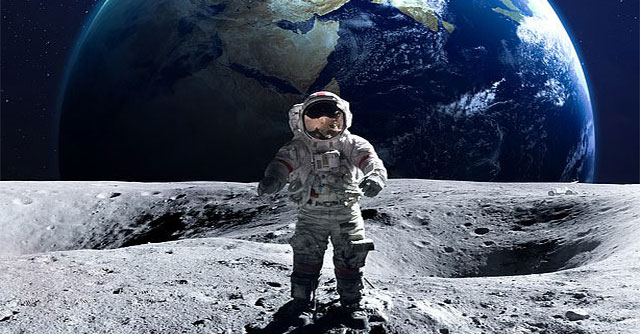
A new US study found that the blood of astronauts who flew into space more than 20 years ago showed signs of DNA mutations, a high risk of cancer and many potential dise…

No one can be sure that the samples from Mars do not contain tiny creatures. If so, no one can claim that they are not harmful to the Earth.
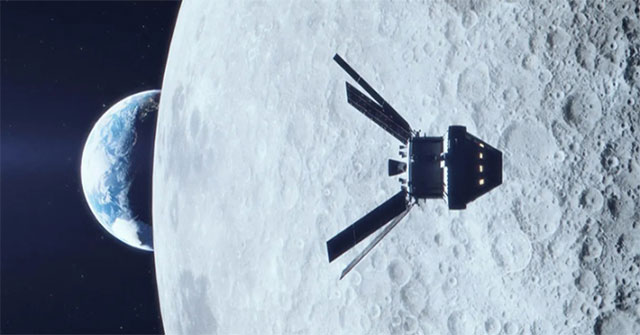
The first flight of the Artemis lunar exploration program will include a series of science experiments to prepare for future missions.
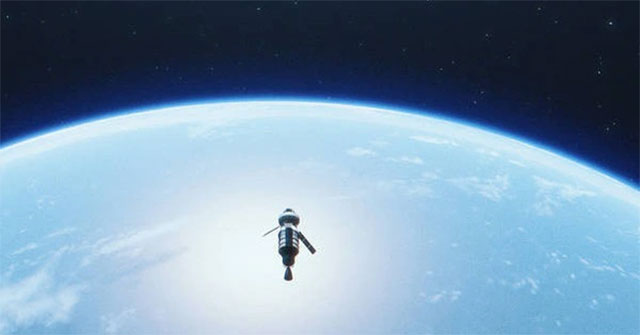
Yeast is a very common single-celled microorganism thanks to its very high application in human life. There are thousands of species of yeast that are scientifically doc…

The more scientists learn about Mars, the more fascinating scientists find it! This is a huge source of resources, serving future science and technology industries.
Contrary to the notion that the universe cannot have sound because sound waves cannot travel in a vacuum, we can indeed