New technology
Australia develops chip with human brain
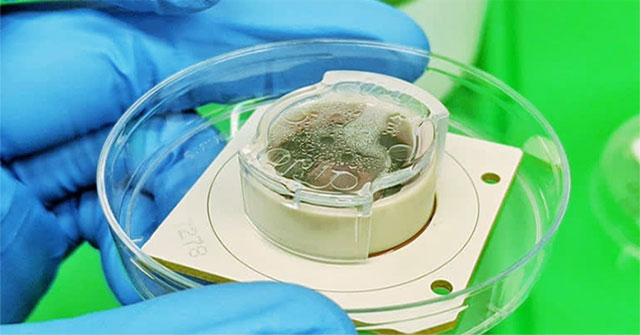
Experts from Cortical Labs, Australia have successfully studied how to integrate biological neurons with traditional information processing chips.
Browse ScienceInfo articles and explainers related to Neuron.
261 published items.
Experts from Cortical Labs, Australia have successfully studied how to integrate biological neurons with traditional information processing chips.
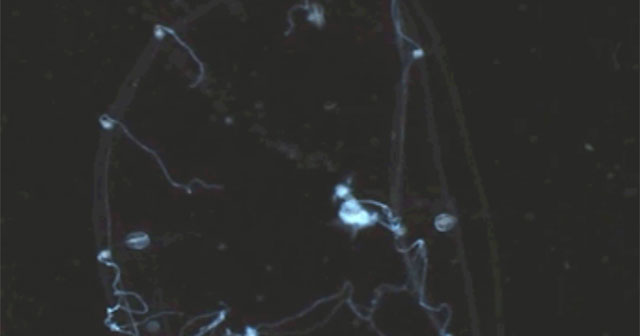
Although jellyfish don't have brains, scientists have found a way to read their minds.

US scientists have developed a new drug capable of promoting cell regeneration, reversing paralysis in mice with spinal injuries.

A team of Japanese scientists have built a robot with brain-like neurons to teach it how to think like a human.
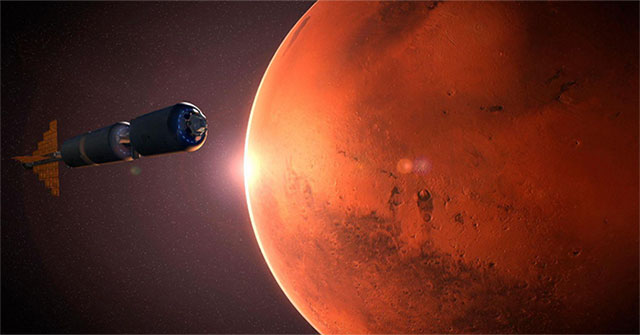
Recently, scientists have found a way to activate hibernate-like states in mice that can drastically lower metabolism and body temperature.
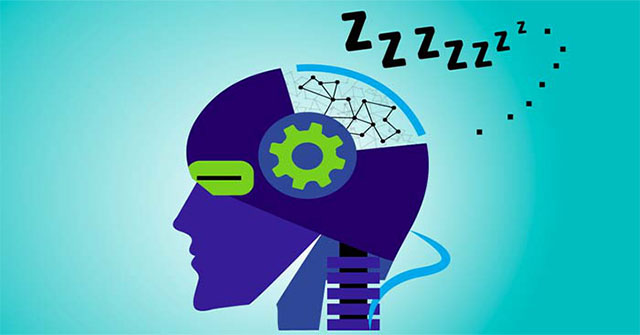
Just like an overworked computer, the artificial intelligence system needs a nap.
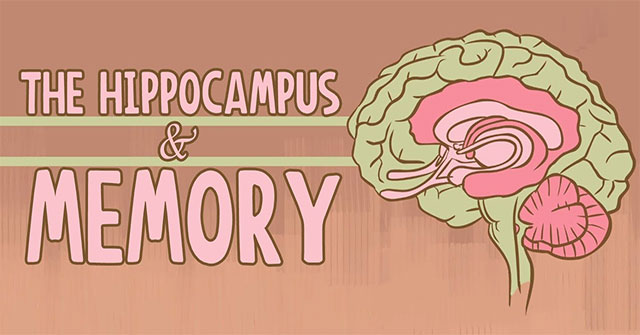
What happens in the hippocamp even before people try to form memories can affect whether they remember it or not.
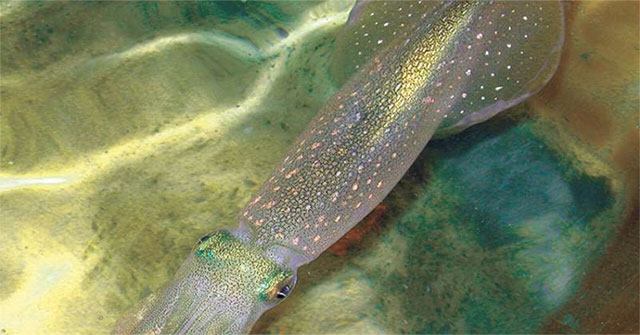
The researchers discovered that ink is the only organism that can modify genes outside of the nucleus of a neuron (neuron).

There is a neuron in dog brains and other mammals that respond to stimuli in the hair follicle.

According to previous studies, men are more likely to identify directions than women, but women are much better at finding lost items.
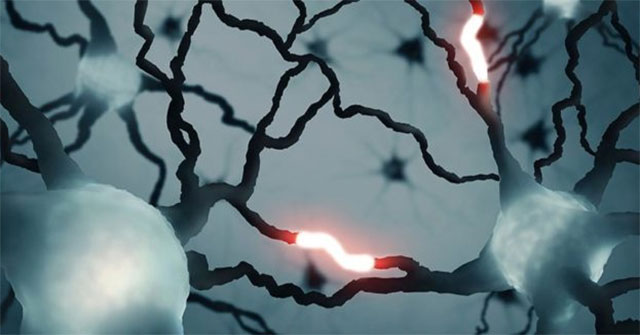
Researchers have found a mechanism in the outer cells of the cerebral cortex that creates new signals that allow nerve cells to perform their logical functions.

In the near future, artificial neurons may be used in the fight against Alzheimer's and chronic brain-related diseases.
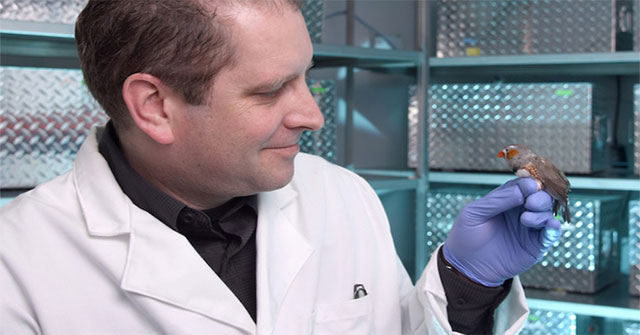
To do this, scientists used optogenetic, a technique that uses light to stimulate nerve cells in the brain. They chose

The genius Nikola Tesla or US President Donald Trump is just one of the few people who sleep less than 4 hours a night and still work normally.

Scientists have conducted research on thousands of random genetic variations, to determine which gene affects the response of the worms to cold air.