Space science
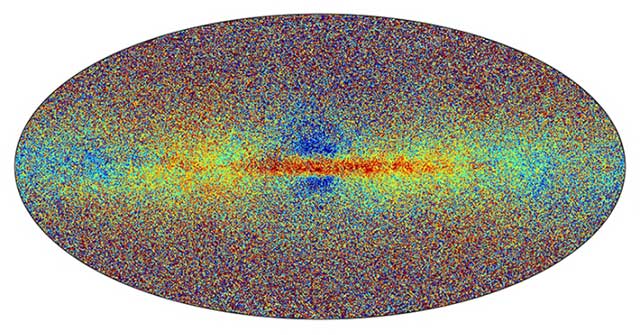
Unveiling a map of 1.8 billion stars in the Milky Way
The European Space Agency has released a dataset collected by the Gaia Space Observatory, showing many characteristics of large numbers of stars.
Browse ScienceInfo articles and explainers related to Observatory.
325 published items.
The European Space Agency has released a dataset collected by the Gaia Space Observatory, showing many characteristics of large numbers of stars.

The black hole at the center of the Perseus sounding galaxy cluster created ripples in the hot gas of the molecular cloud around it, thereby creating
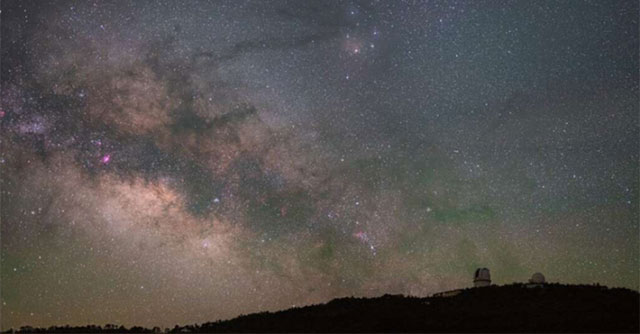
The Greater Big Bend Conservation Area on the US-Mexico border with an area of 40,000 square kilometers was created with the goal of preventing light pollution from…
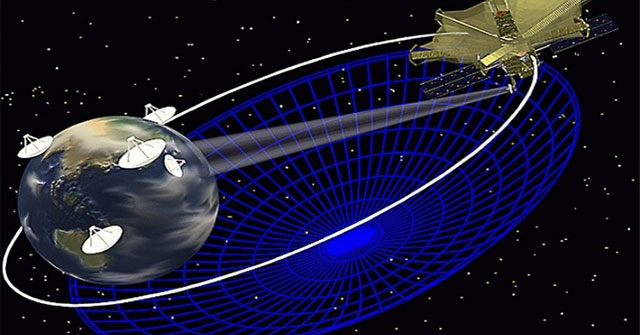
China will launch an observatory orbiting the Moon to create a radio telescope with a diameter of 400,000 km.
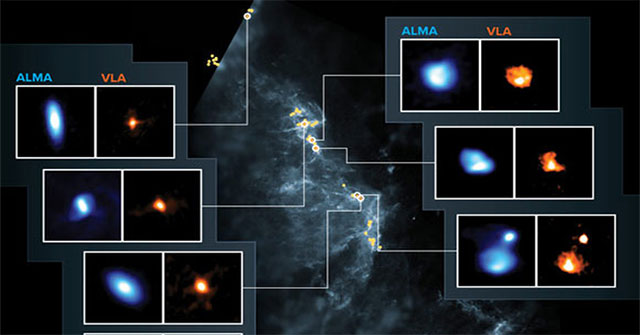
VLA and ALMA, humanity's two heavy-duty radio astronomical observatories, have collected spectacular data sets of 97 fledgling stars with protoplanetary disks.

For the first time, scientists have captured unequivocal evidence of a white dwarf star ripping and swallowing parts of its own planet.

The Chandra X-ray observatory and numerous observatories around the Earth have just captured breathtaking images of cosmic grim reapers tearing through the sky in magica…
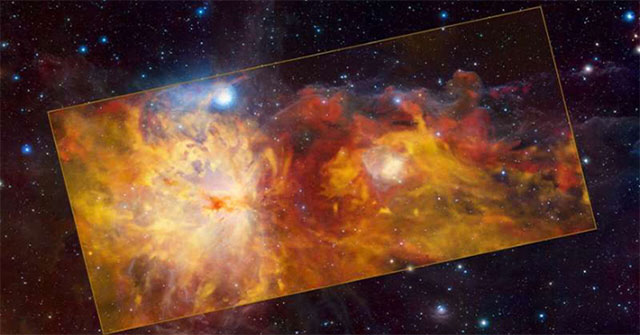
The European Southern Observatory (ESO) has released a stunning update of the nebula NGC 2024 in the constellation Orion.
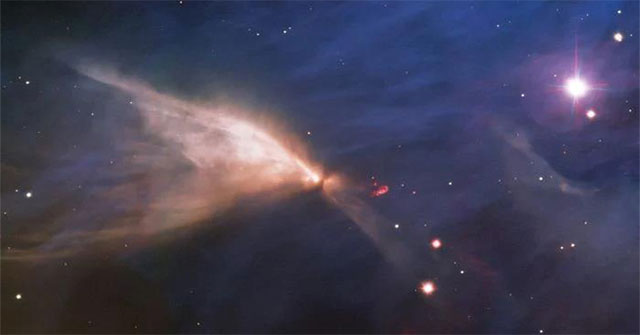
A spectacular image of a ghostly butterfly made of light has just been released by an observatory located in Chile, dubbed the Chamaeleon Infrared Nebula.

German astronomer Johannes Hevelius used a microscope to make the first detailed map of Earth's natural satellite.

The world's largest digital camera LSST in Chile will help scientists study galaxies, asteroids and mysterious cosmic phenomena.
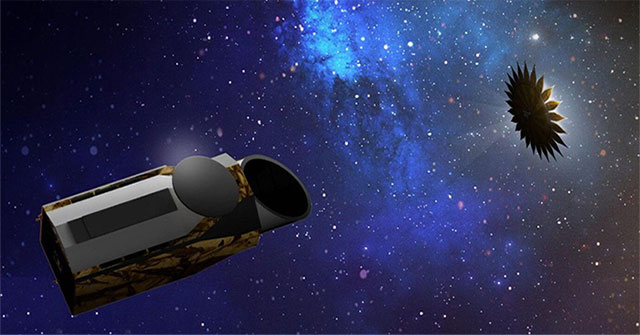
The latest survey of American astronomy and astrophysics from 2022 to 2032 recommended that NASA create a new program to develop several large telescopes.

Scientists have detected signs of a transiting planet outside the Milky Way, and this could be the first planet ever discovered outside our galaxy.
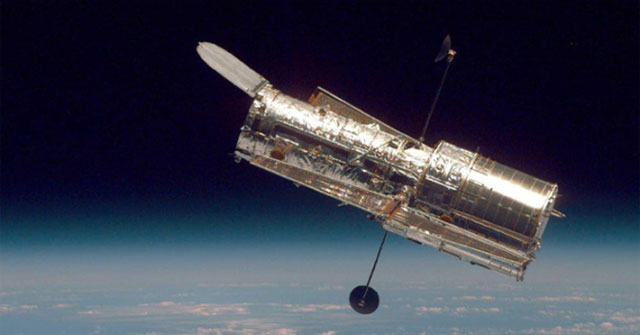
Astronomers propose to build a new telescope to replace Hubble with the ability to observe distant and super faint exoplanets.
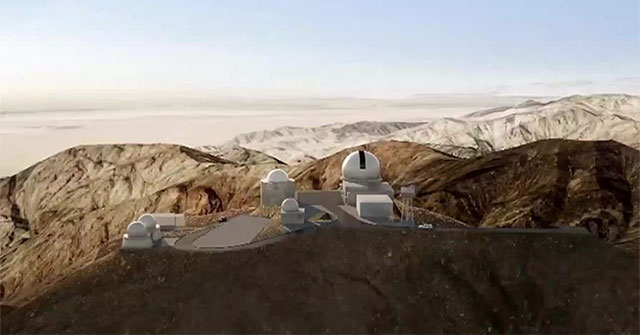
China is building a world-class astronomical observatory, opening a new door to its space ambitions.