
Space science
What would happen if Mars and Earth switched places in the Solar System?
If Mars and Earth swap places in the Solar System, life on Earth will not be able to exist and we will no longer be able to live.
Browse ScienceInfo articles and explainers related to Ocean.
1,955 published items.
If Mars and Earth swap places in the Solar System, life on Earth will not be able to exist and we will no longer be able to live.
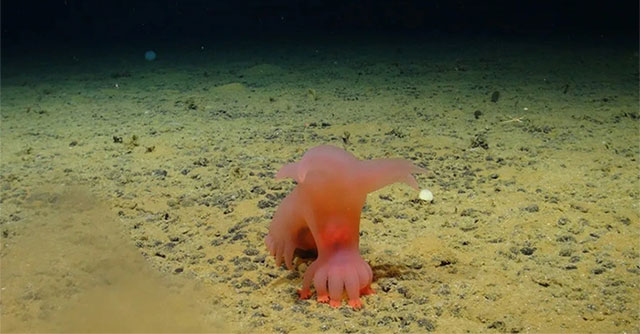
Scientists have just recorded images of beautiful and mysterious creatures at a depth of 5,000m below the surface of the Pacific Ocean.

Millions of strange blue creatures have washed up on rocky beaches from Oregon to California (USA) this spring, surprising many tourists.
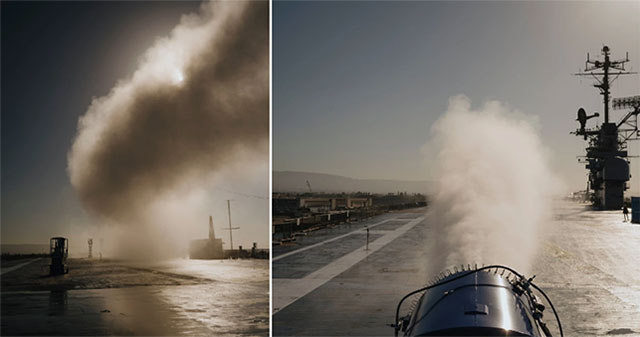
A research group in the US has just tested cloud brightening technology using sea salt. The test will be the start of a promising technology that will help reduce global…

In the world, there is only one water stream that flows into both the Atlantic and Pacific Oceans, which is the small river North Two Ocean.
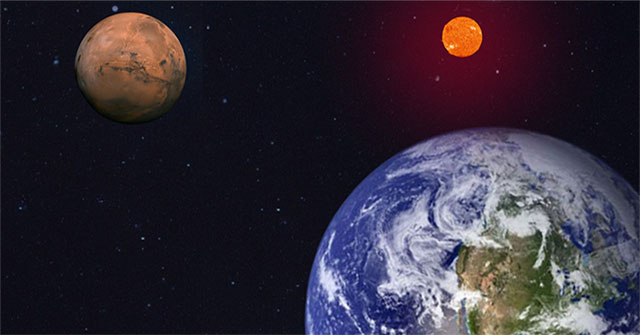
Cosmic-scale interactions between celestial bodies have a direct impact on Earth's climate and geographical characteristics.
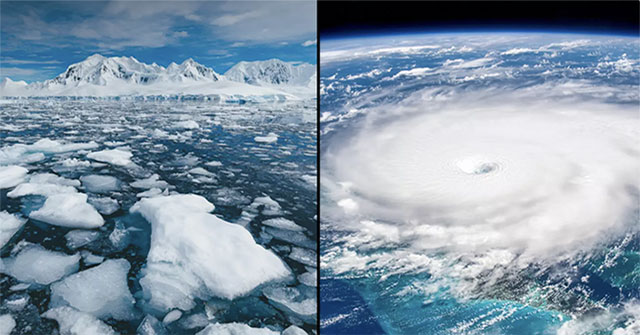
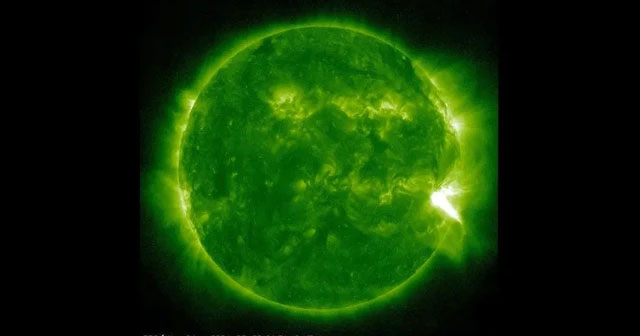
A very powerful explosion ionized the upper part of the Earth's atmosphere, leading to disruption of shortwave radio signals.
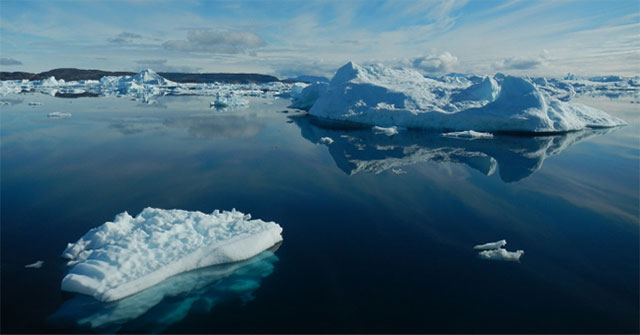
About 117 million years ago, sea level was about 210m higher than today, but this may still not be the highest level in history.
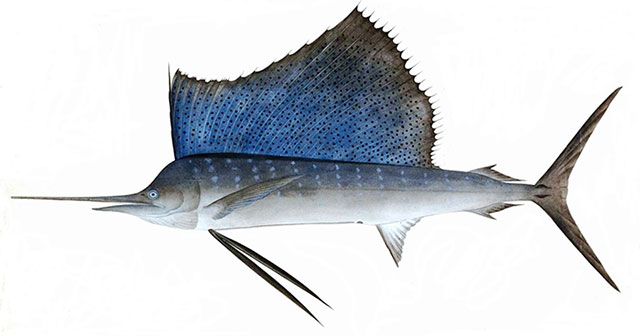
What really sets this fish apart is its numerous fins arranged precisely along the body.

This is one of the loudest underwater sounds ever recorded.

An ocean exploration company in September 2023 shared a sonar image of an airplane-shaped object suspected to be the Lockheed 10-E Electra of legendary female pilot Amel…

10 years have passed since MH370 disappeared, many search efforts and hypotheses have been put forward, but no one has been able to answer the question: Where is the pla…
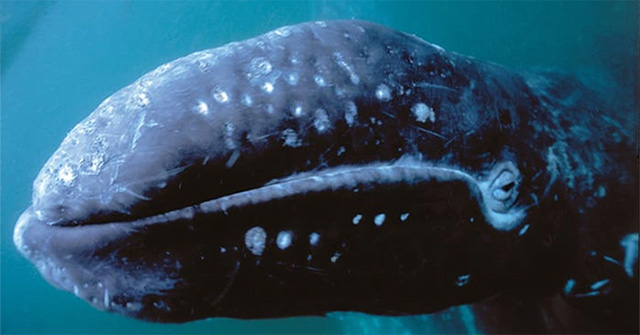
For the first time in 200 years, a gray whale has been sighted in the Atlantic Ocean. Scientists warn that this is a bad omen for the Earth.
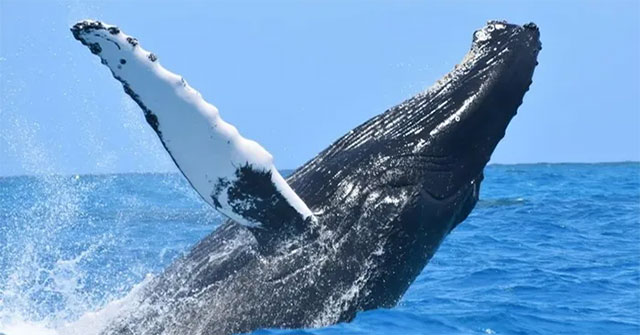
The number of humpback whales in the North Pacific has plummeted 20% in less than a decade. According to researchers, the cause may come from a heat wave at sea.