Animal world
Why do animals migrate?
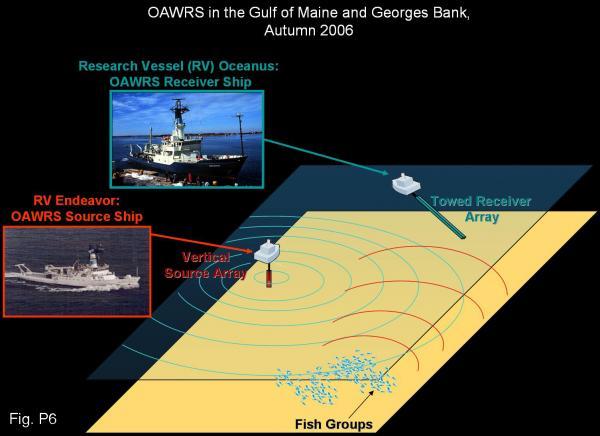
For the first time, engineers at MIT observed the beginning of a centralized migration event involving hundreds of millions of animals.
Browse ScienceInfo articles and explainers related to Ocean.
1,955 published items.
For the first time, engineers at MIT observed the beginning of a centralized migration event involving hundreds of millions of animals.
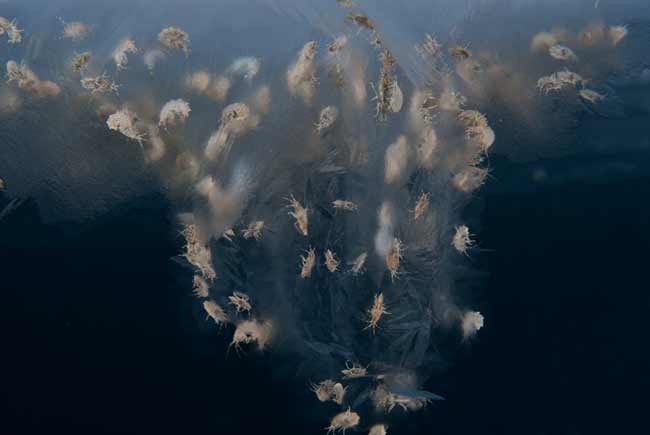
Scientists have recently identified that at least 235 species live in the poles of the two poles despite the distance of 8,000 miles (13,000 km) between them.
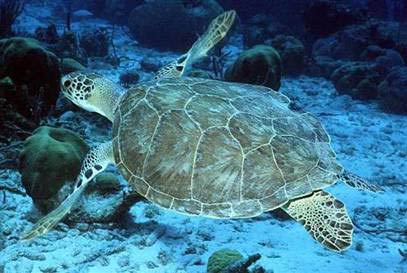
Immediately after hatching and crawling into the sea, baby turtles disappear for 5 years. During that time, the place where the little creatures with the palm of their h…
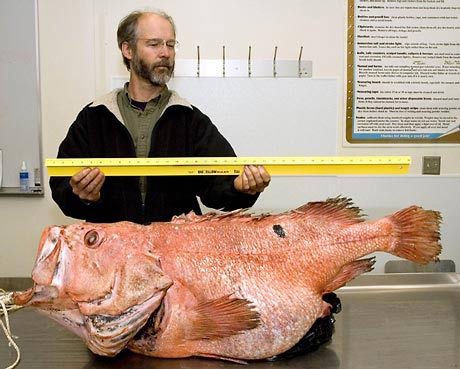
A fishing boat of the Trident Fisheries Company has just said it caught a giant Rock fish in Alaska waters, with a lifespan of less than 100 years. The fish weighs 27 kg

Have you ever wondered in the vast ocean, how can small fish know the way back? To find out what led the cardinal fish back
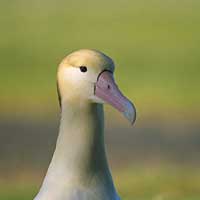
US researchers unearthed the first fossil reproduction site of the great albatross in Bermuda. This site contains many of their bones but no one lives there today nor el…

More than a year of research, Mr. Pham Khac Phi Long's pupil (grade 11 student, Gia Dinh High School, Ho Chi Minh City) has successfully created a product named:
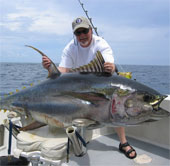
The Japanese tuna fishing system has 2 main parts: fishing recorders and electric pulse generators.

From the bottle and simple materials, a fisherman who invented the diving light, was attracted by divers on the ocean floor because of its cheap price, safe and effectiv…

Japan seeks to extract gas from the sediment of methane hydrate beneath the seabed, also known as ice flames. This trial will be conducted in southwestern Tokyo, between…
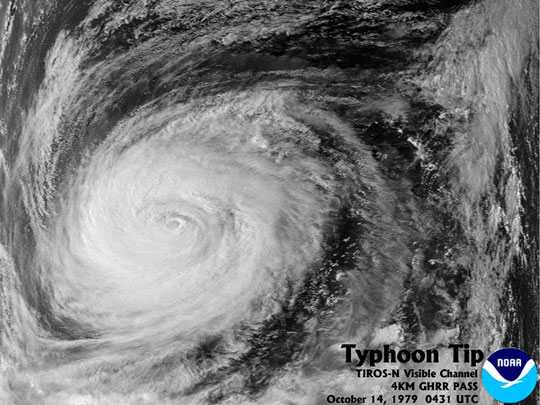
Mexico successfully developed storm forecasting technology from the identification of deep waters in the Atlantic Ocean - where the storms intensified.
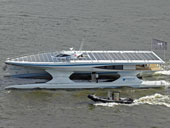
The world's largest solar ship, MS Turanor Planet Solar, left Monaco port at 14:00 on September 27 to make the journey around the world.

Glenn Smith, a professor at the Georgia Institute of Technology (USA), explained this problem: seawater is actually colorless but because it reflects the sky's blue colo…
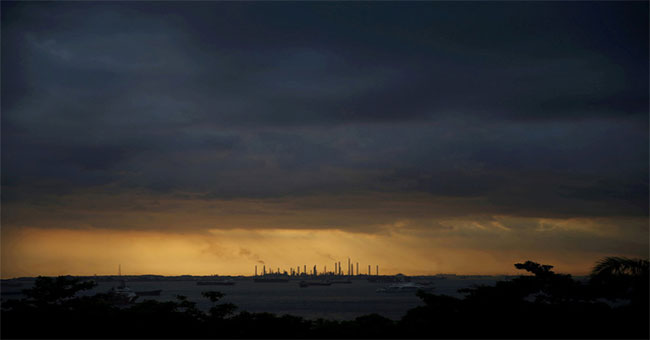
New research published by US scientists shows that oceans are warming faster than people imagine, explaining why storms are becoming more intense.
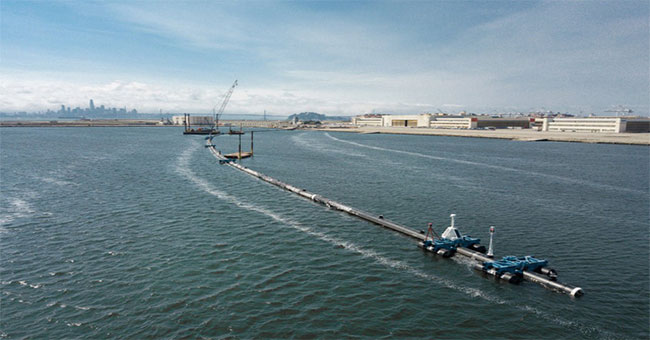
A floating trap was laid on San Francisco Bay on September 8, 2018 to collect garbage on the Pacific Ocean.