
Discover science
Pangea Ultima: Earth's future supercontinent
Pangea Ultima is a supercontinental structure of the future world, which may occur within the next 100 million to 200 million years.
Browse ScienceInfo articles and explainers related to Pangea.
16 published items.
Pangea Ultima is a supercontinental structure of the future world, which may occur within the next 100 million to 200 million years.
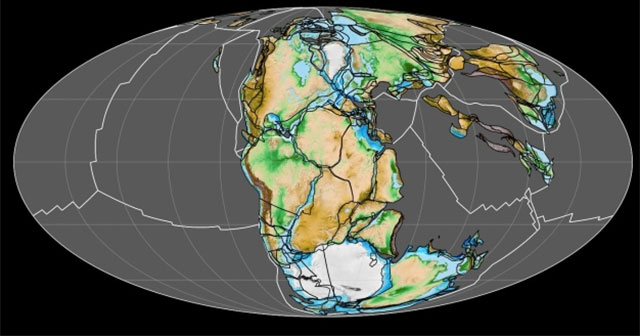
Heat from radiation processes taking place inside the Earth causes the tectonic plates above to move, gather or separate from each other.

A mass extinction of mammals, including humans, could occur in 250 million years due to climate change.

Earth once recorded a 'super ocean' with an area covering 70% of the Earth's surface, surrounding the ancient giant continent.
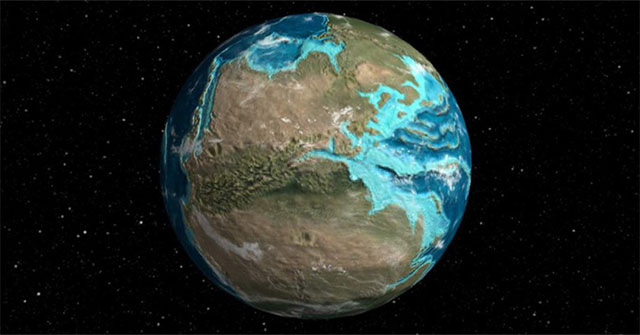
The continents of the earth have many times carved in - out. And yet another import to create the hypothetical supercontinent Pangea Proxima seems to be starting.

The earth's deep water cycle is unbalanced and this is more or less related to Pangea, a dead supercontinent.
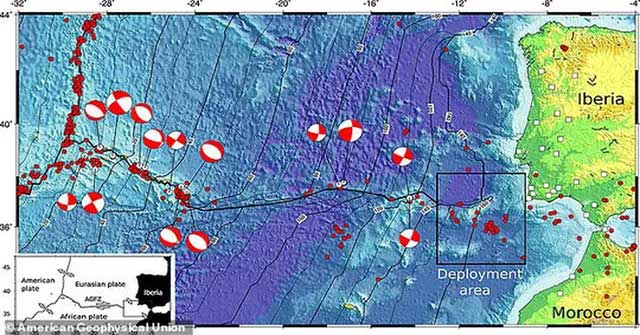
Off the coast of Portugal, the earth's crust may be peeling, splitting into two, a phenomenon never seen before.

200 million years after the supercontinent Pangea decayed into plaques, the Earth formed 7 continents today.
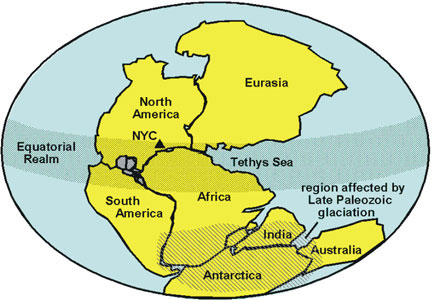
The ancestors of cypress trees were once grown on Pangea supercontinent, and witnessed the disintegration of this continent to become the continental system as they are…
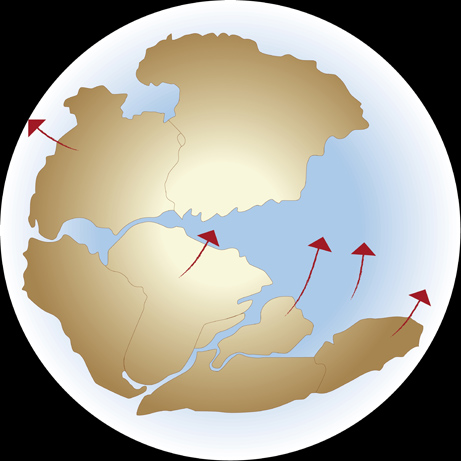
Perhaps the supercontinents were formed when a hot rock stream erupted from deep within the earth between the continents, pushing them apart until all the land on the ea…

More than a century ago, German scientist Alfred Wegener (1880-1930) proposed the idea of an ancient supercontinent after combining some evidence together.

Scientists have come up with a new explanation for the Permian extinction event that caused 96% of the Earth's creatures to perish. Accordingly, the waves are believed t…
The fossil of a lion-sized carnivorous dinosaur, which specializes in eating smaller species of it, was discovered in a volcanic valley in Venezuela.
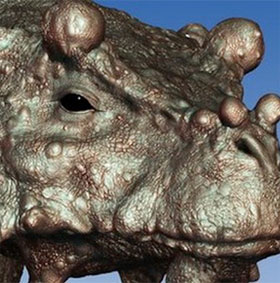
Archaeologists have found fossils a strange reptile with many small bumps on its head, isolated on the vast desert in Africa 260 million years ago.
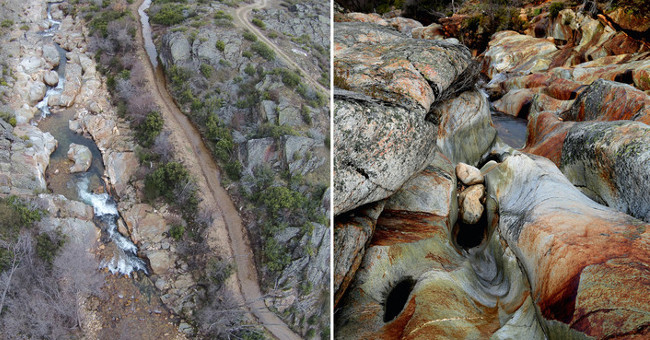
What seemed to be associated with the dancers suddenly happened to a large part of Europe, when the region had a spectacular turnaround 300 years ago.