Archeology
Discovered collective grave of Inca civilization in Peru
Peruvian archaeologists have discovered a mass grave of the ancient Inca civilization in the northern coastal region of Lambayeque.
Browse ScienceInfo articles and explainers related to Peru.
190 published items.
Peruvian archaeologists have discovered a mass grave of the ancient Inca civilization in the northern coastal region of Lambayeque.

Thousands of years before anesthesia techniques and accurate medical devices were born, humans performed complicated surgeries.
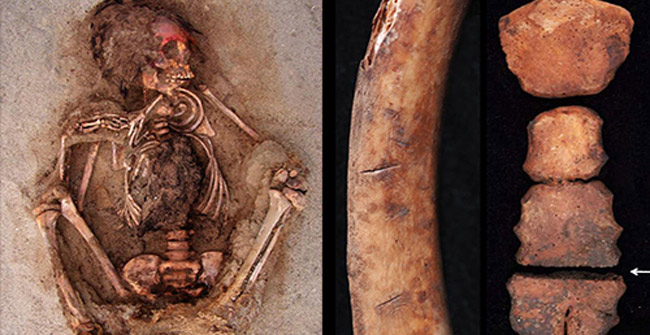
Hundreds of children and camels were thought to have been killed in a sacrificial rite from pre-Colombo in Peru.

Mummy covered with white powder with a long skull, limbs with only three fingers in Peru raises speculation that this is an alien body.
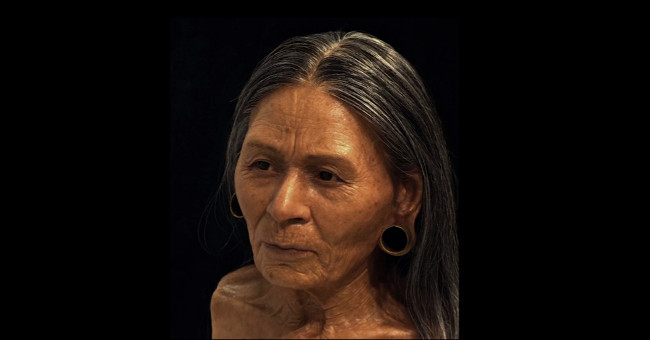
Scientists restored the face of Queen Huarmey, a noble woman who lived about 1,200 years ago.
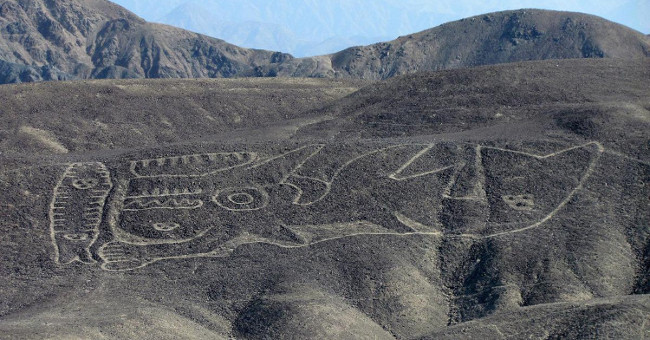
Archaeologists found a giant geoglyph up to 70 meters long carved on a hillside in the desert in the remote Palpa region of southern Peru, according to Live Science.
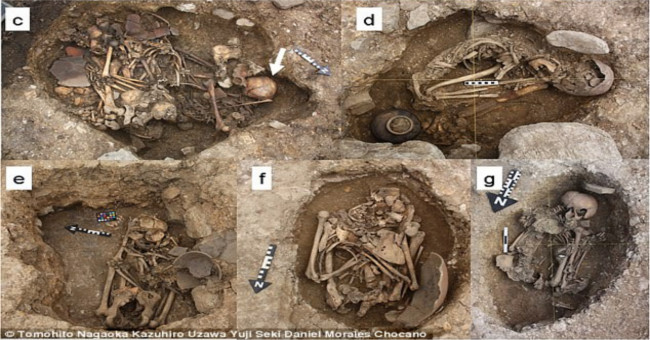
According to Newsweek, these remains date from 1200 to 500 BC.
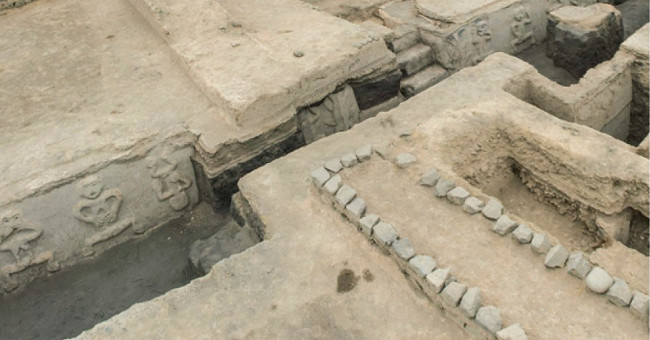
The clay figures show the skeleton or the dying ones in a cataclysm attack the communities living in this coastal area a few thousand years ago.

The face of a noble woman who died 1,600 years ago was vividly restored thanks to 3D technology.
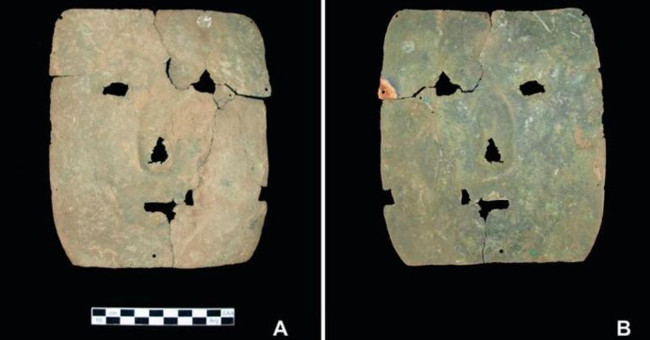
The mask was used during a funeral 3,000 years ago, during the period when people abandoned the nomadic hunting and gathering life, began to settle permanently with farm…

The latest research shows that residents living in the Huaca Prieta region in Peru 15,000 years ago have very similar customs and diets.
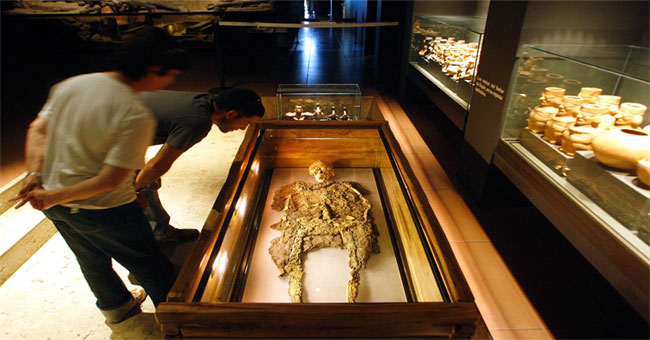
The face of Sipan's lord who died 1900 years ago was recreated by 3D technology.
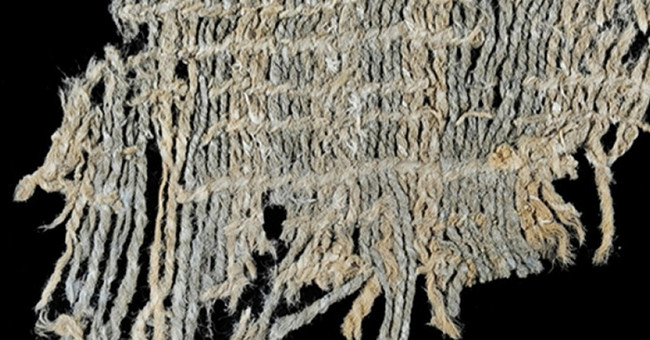
George Washington University has discovered cloths using the 6,200-year-old indigo dye when excavating the ancient ritual of Huaca Prieta in northern Peru in 2007.
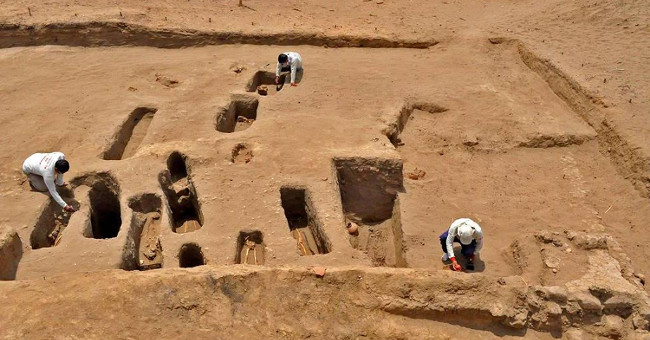
The lost legs of the 15th and 16th centuries found in the temple complex in Peru could be of sacrificed children in rituals.
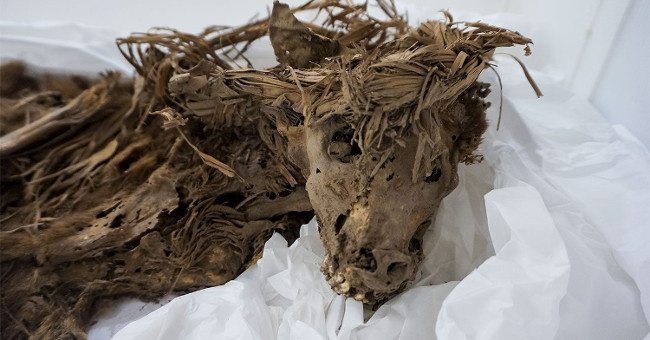
Scientists believe that sacrificial dog remains belong to the rituals of the Ychsma, during the period from 900 AD to 1470.