Scientific works
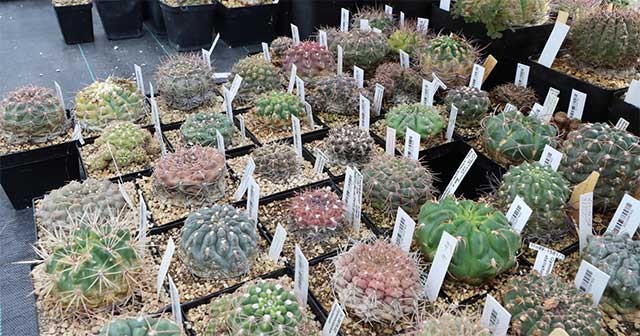
Meise Botanical Garden: Home to rare plants
Founded 200 years ago, the Meise Botanical Garden (near Brussels, Belgium) with an area of 92 hectares is one of the largest and oldest botanical gardens in Europe.
Browse ScienceInfo articles and explainers related to Plant.
3,097 published items.
Founded 200 years ago, the Meise Botanical Garden (near Brussels, Belgium) with an area of 92 hectares is one of the largest and oldest botanical gardens in Europe.
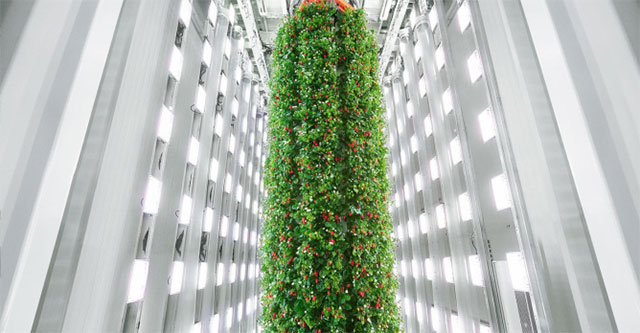
Plenty Richmond, the world's first vertical farm to grow strawberries indoors on a large scale, opened on September 24 in Richmond, Virginia.

Hyundai Engineering's new facility is expected to be able to utilize organic waste and plastic waste to produce 30,000 tons of hydrogen per year.
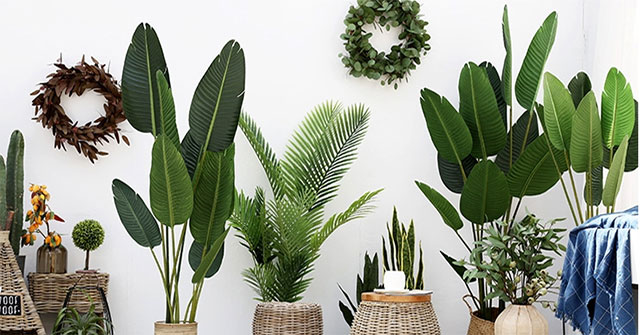
Fake ornamental plants are used to decorate homes, companies, and public areas with enclosed spaces, and are said to help people feel comfortable.
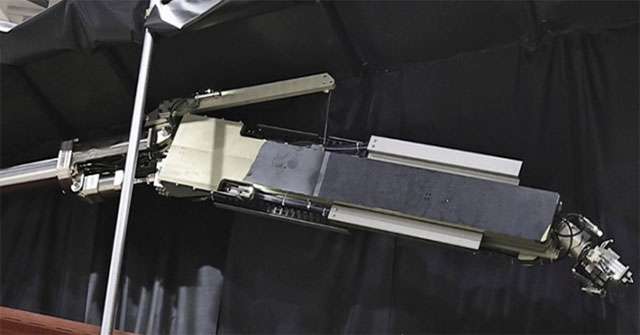
Robots equipped with pincers and using telescopic tubes to move will collect molten fuel debris weighing less than 3g.
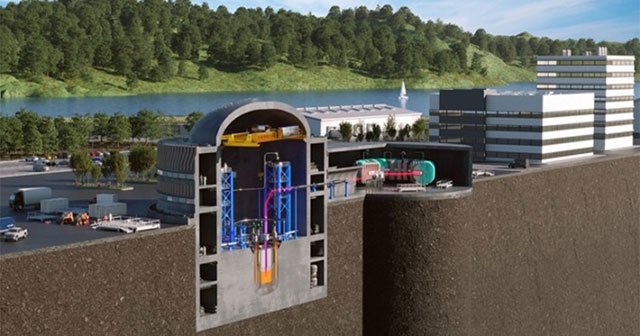
A scientist at the private fission company Transmutex has developed a new method that can reduce the radioactivity of nuclear waste by up to 80%.

Research by Chinese scientists shows that wild rice was widespread in the lower Yangtze River region about 100,000 years ago, laying the foundation for the later use and…
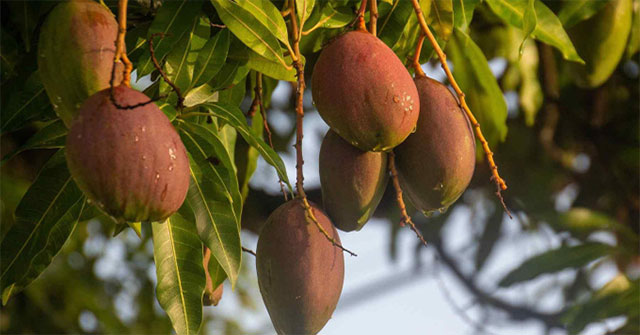
The Madrid City Council plans to add a delicious mango scent to the asphalt-mixed crushed stone mixture instead of the usual asphalt smell.
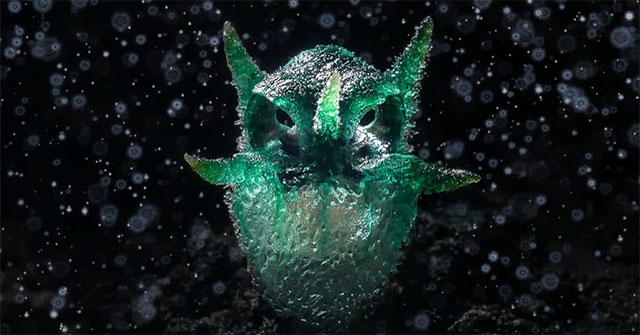
Thismia thaithongiana does not photosynthesize but obtains energy and nutrients from the fungus. Due to its owl-like appearance, it is also called
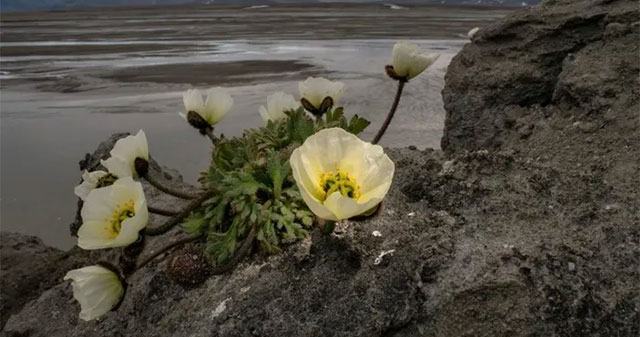
Bunches of Arctic poppies trying to survive harsh weather. Scientists found them only about 51cm south of the world's northern pole.
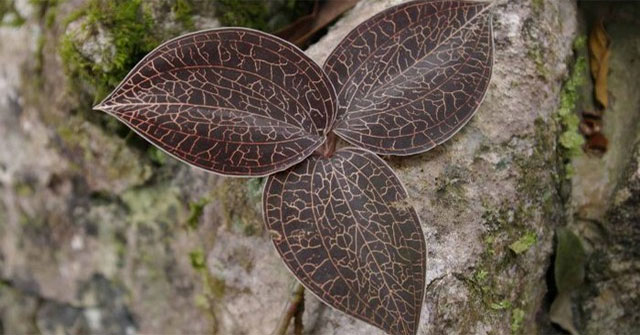
Due to being hunted too much, this strange grass has fallen into danger of extinction.
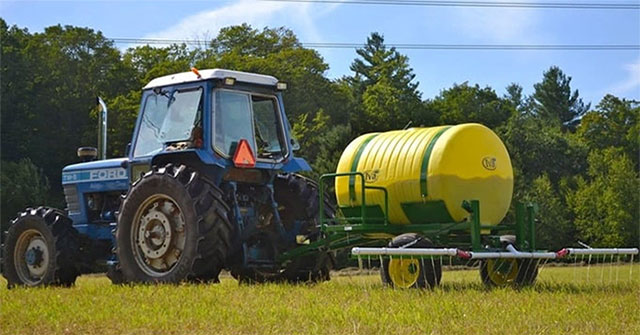
Scientists say human urine can be recycled into extremely good fertilizer for plants at a very low cost.
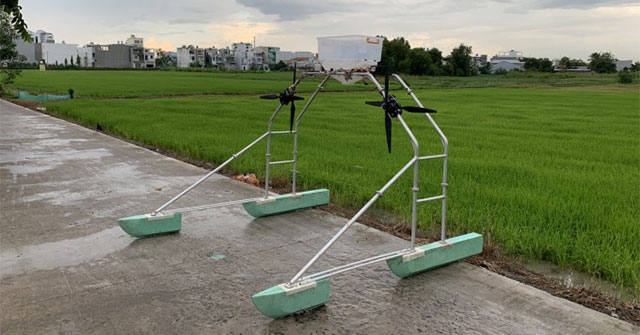
Associate Professor, Dr. Vu Ngoc Anh and his colleagues built a field walking machine that can sow seeds, spray chemicals, and fertilize, with an average yield of 4 hect…
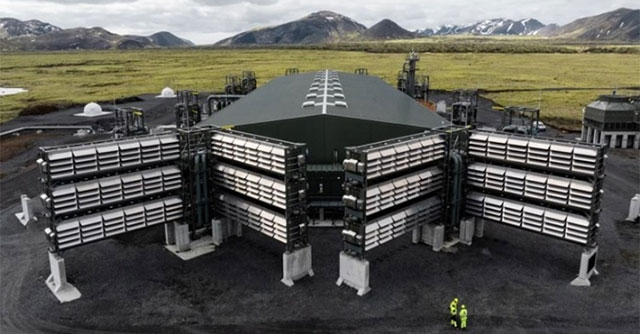
The world's largest factory designed to suck carbon dioxide (CO2) out of the atmosphere like a giant vacuum machine began operating in Iceland on May 8.