Animal world
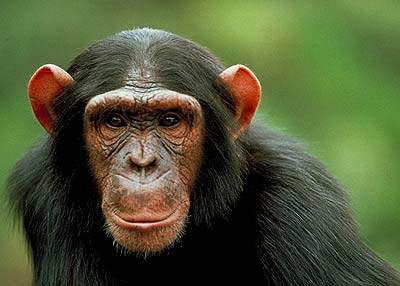
Chimpanzees are easy to transmit dangerous diseases
Children close to wild chimpanzees can transmit dangerous diseases to the rest of the family. A 22-year long-term study of respiratory infections in chimpanzees found th…
Browse ScienceInfo articles and explainers related to Primate.
223 published items.
Children close to wild chimpanzees can transmit dangerous diseases to the rest of the family. A 22-year long-term study of respiratory infections in chimpanzees found th…

Researchers in Madagascar have confirmed the existence of a large bamboo lemur population located only one where the lemur is in a very fragile state of 400 kilometers (…
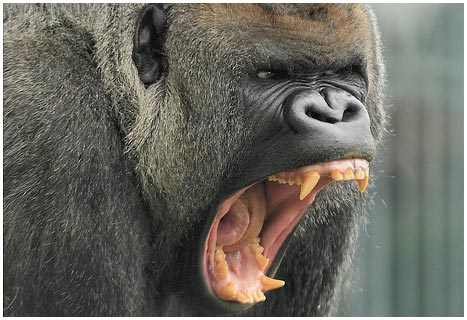
The work of measuring and examining the teeth of living primates can open a window to understand the earliest behavior of humanity, based on their fossil remains.
Scientists have long thought that walking is easier than climbing, and this explains why we humans evolved on the ground. But recent research reveals that this is not tr…
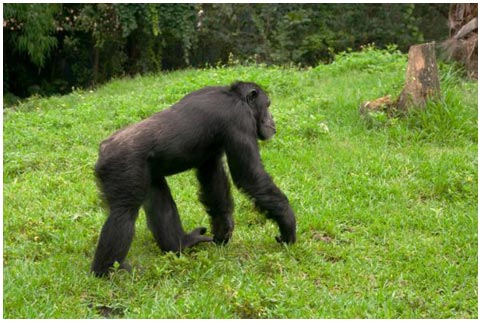
Somewhere in the dark past, about 4 to 7 million years ago, the primates of today's primates, including our species, have done something new. When temporarily standing o…
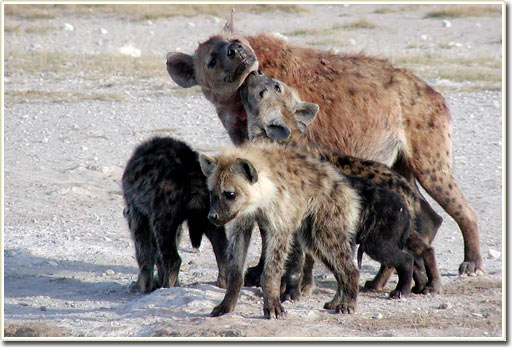
Throughout his career, Dr. Holekamp has always been careful with humanism as the center. She does not think that hyenas are humans with long ears running on four legs. B…
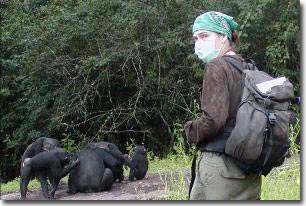
Caring for gorillas and chimpanzees for tourism purposes is seen as a way to conserve endangered primates. However, there are concerns that tourism development may cause…

The foundation of laughter can be traced back to an ancient primate that is the ancestor of both humanity and modern human ape. Scientists have discovered that orangutan…

Dogs can arrange photos according to different genres, similar to the way people and other primates still do, scientists have revealed.
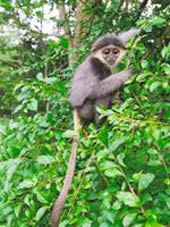
Scientists have discovered in Tam Ky (Quang Nam) a population of gray-shanked douc langur with the largest number ever (about 180 individuals).
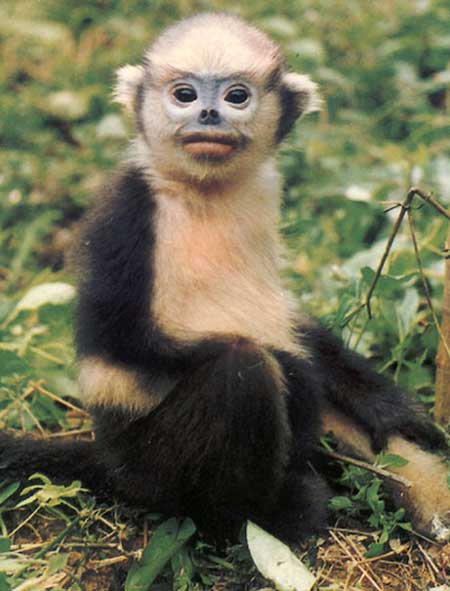
International conservation organizations on October 26 published the latest list of 25 primates that are about to disappear from the earth, including four in Vietnam. Pr…
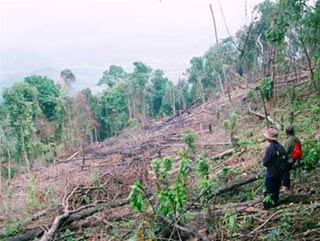
Each douc langur was collected by the forest rangers in Quang Nam from the people and transferred to the Primate Rescue Center in Cuc Phuong National Park (Ninh Binh), t…
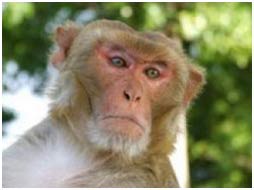
According to a new study done by Harvard University researchers, when trying to understand someone's intentions, primates are not among those expecting others to act rea…

According to information from the International Fund for Nature Protection (WWF) in Vietnam, a group of WWF and Conservation International scientists (CI) have discovere…
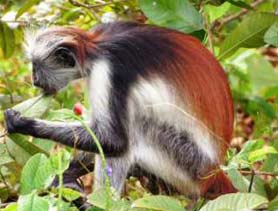
Researchers still know that humans, monkeys, and gibbons can see red, but the cause is unknown. Did this color initially help animals find food, or help it recognize the…