Space science
SpaceX satellite almost collided with European satellite
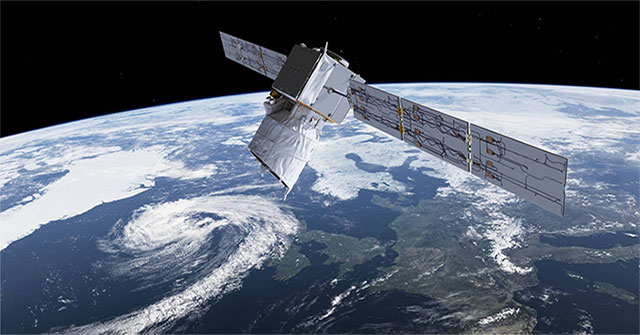
The European Space Agency (ESA) set the propulsion on Aeolus satellite, driving it to avoid SpaceX's Starlink 44 satellite on September 2.
Browse ScienceInfo articles and explainers related to Propulsion.
61 published items.
The European Space Agency (ESA) set the propulsion on Aeolus satellite, driving it to avoid SpaceX's Starlink 44 satellite on September 2.
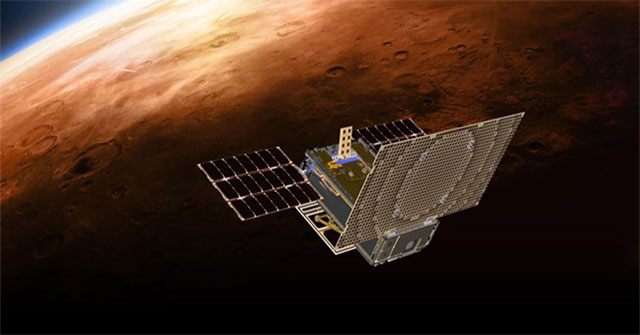
According to the August 11 announcement of the Jet Propulsion Laboratory (JPL) of the US Aeronautics and Space Agency (NASA), Cube Mars One (also known as the abbreviati…

The process of testing rocket boosters is important because it determines the success of the introduction of NASA's Orion spacecraft into orbit and access to the Moon.
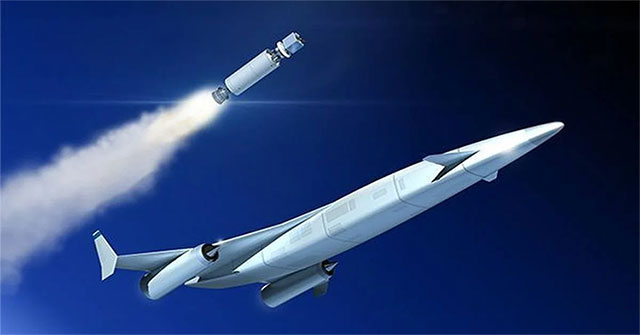
The jet-stopping jet technology at supersonic speeds was successfully tested, reducing the flight time from London to New York by one hour.
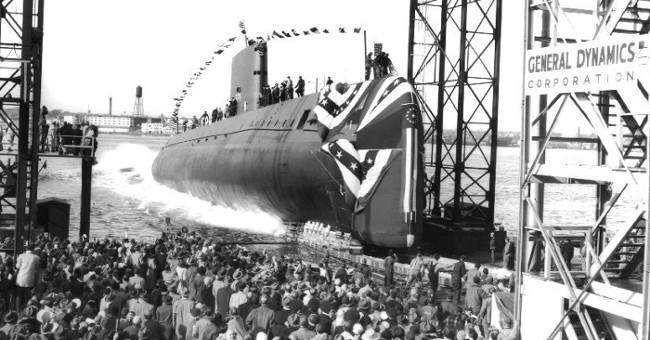
Nuclear submarines are the types of ships operated by the energy of nuclear reactions. It has advantages in performance compared to other types of ships that are very si…

Probably once a child, most of the dreamy souls in us had once dreamed of a certain occasion to fly away from Earth, right?
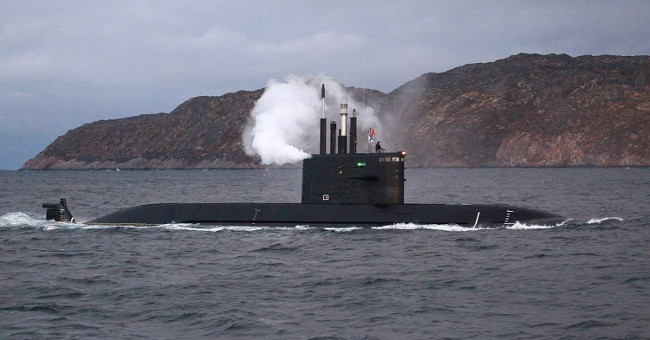
According to deputy commander of Russian Navy Admiral Victor Bursuc, the country will equip non-nuclear submarines attacked by missiles farther than 3,000km.
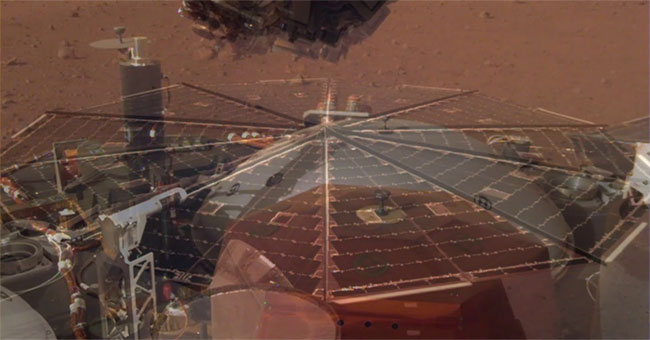
NASA Jet Propulsion Laboratory (JPL) announced the wind sound on Mars captured by InSight, Guardian reported on December 7.
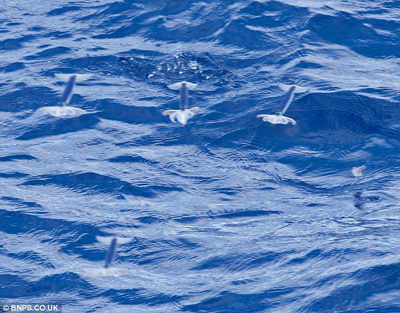
A British photographer took a picture of a squid that used jet propulsion to break out of the sea and fly at about 20cm high, according to the Daily Mail.

The warp engine - Warp drive is an imaginary spacecraft propulsion that allows us to travel faster than light (FTL - faster-than-light), most notably in the Star Trek se…

This is the 4-year effort of German research, just announced earlier this week at a conference in France.
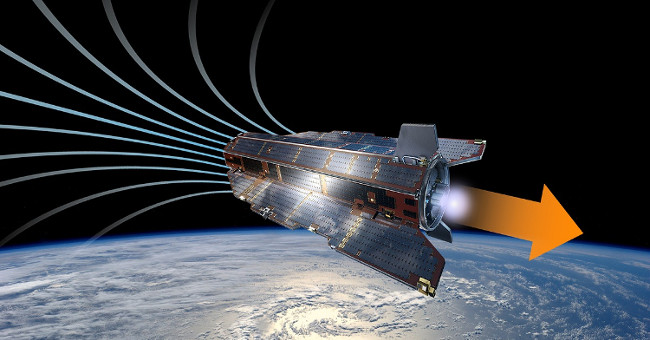
ESA's new rocket propulsion engine can collect, compress, charge and then release gas molecules, without requiring the use of chemical fuels, Science Alert reported toda…
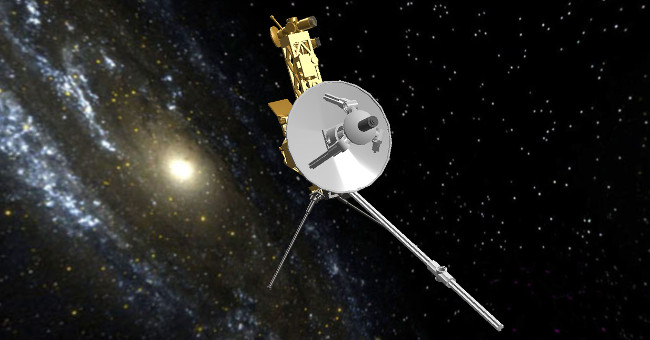
The Voyager 1 space probe (NASA) successfully launched the inactive propulsion kit for 40 years, according to New Atlas.
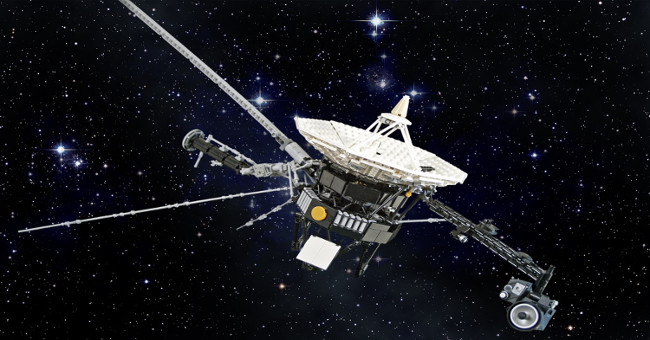
Both the Voyager 2 and Voyager 1 spacecraft were designed, developed, and built at the Jet Propulsion Laboratory near Pasadena, California.
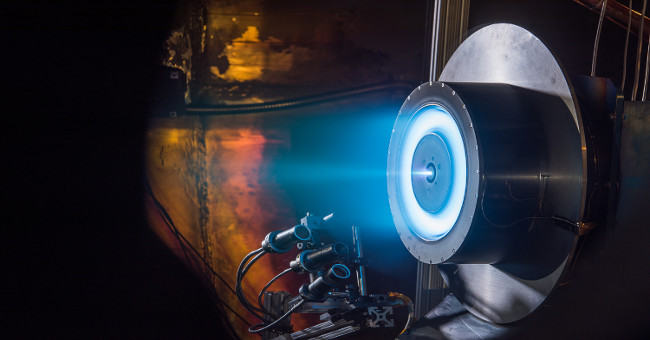
Co-developed by researchers at the University of Michigan and the US Air Force, the X3 is an ion-fueled engine designed to propel spacecraft.