Oceanography
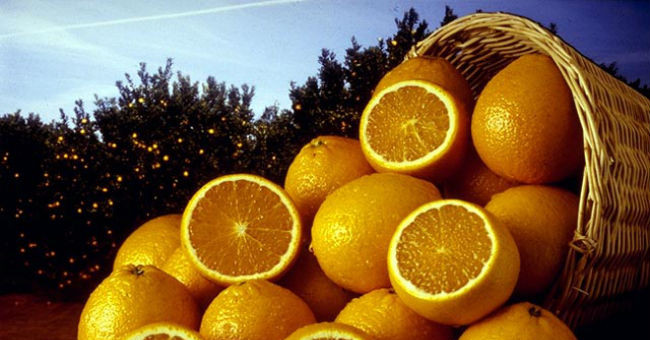
People found the Great Barrier Reef by the orange
Holding the orange / lemon fruit in your hand, perhaps you did not expect it to have a great impact on the process of discovering the world of mankind.
Browse ScienceInfo articles and explainers related to Reef.
252 published items.
Holding the orange / lemon fruit in your hand, perhaps you did not expect it to have a great impact on the process of discovering the world of mankind.
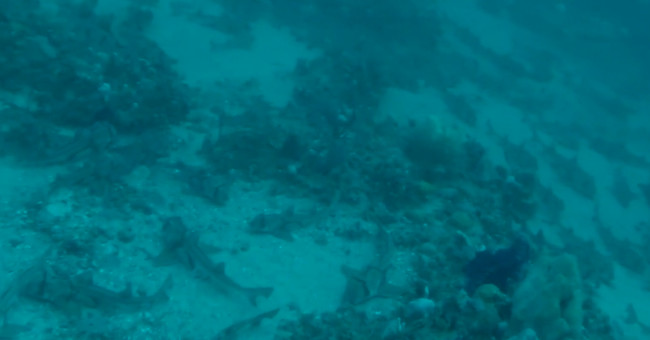
Researcher Neville Barrett and colleagues encountered Port Jackson sharks during an Australian coral reef expedition, Earth Touch News reported yesterday.
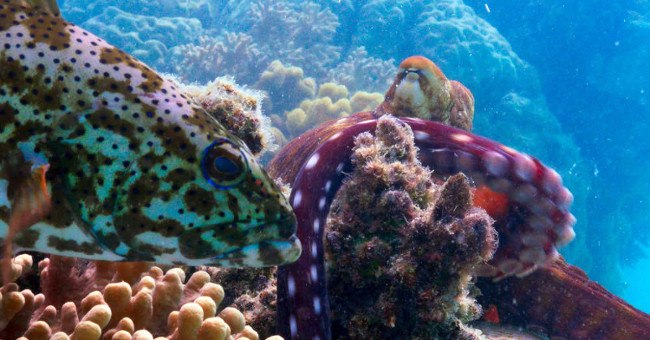
Octopuses and grouper also hunt a good small fish that wriggles in coral reefs and often hides in rocks that are so small that grouper cannot chase.
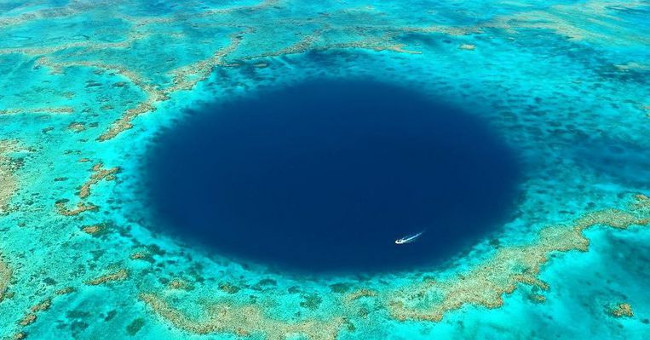
A group of scientists scouted a rare deep blue hole (Blue Hole) in the Great Barrier Reef. This green hole is located more than 200 km from Daydream island off northeast…

The Australian government has announced funding to breed thousands of prisoner fighters and to rescue the impending Great Barrier Reef, AFP on September 18, officials sa…
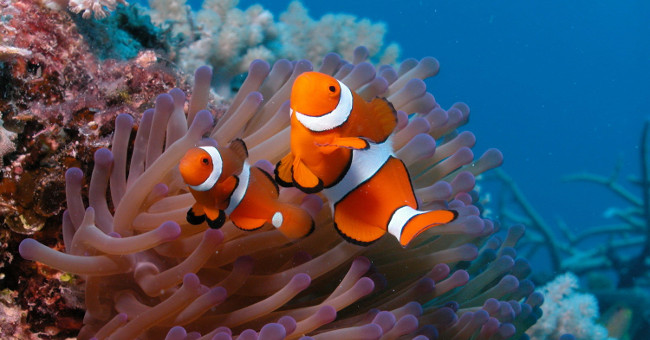
Clownfish, the main character in the cult animated movie Finding Nemo is in danger of extinction completely due to seawater warming, causing anemones and their habitats…
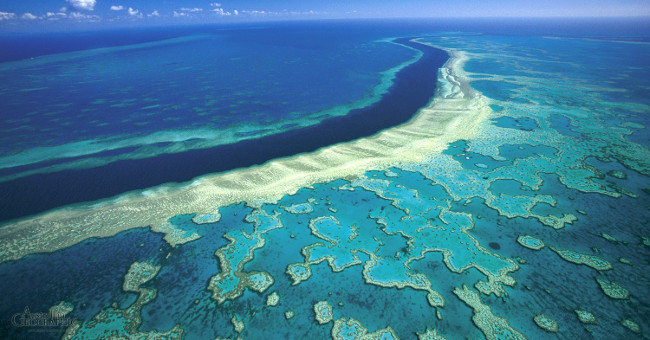
What no one wants to happen to the Great Barrier Reef is now true when scientists have recently released the announcement, the world's largest coral reef is going throug…
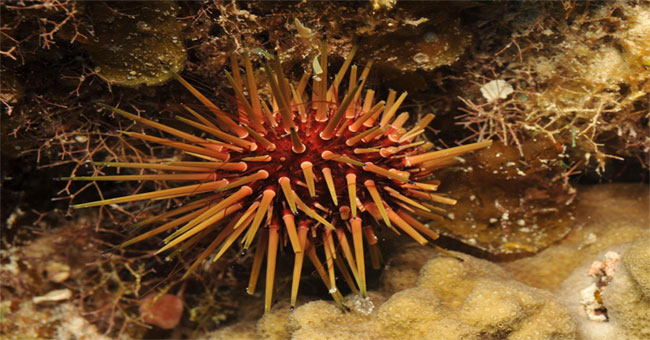
Small marine animals such as sea urchins or parrot fish are helping to ensure ecological balance in coastal Caribean waters.

Scallop shells can reach a length of 1.5m and weigh 300kg. This is the largest mollusk on earth.
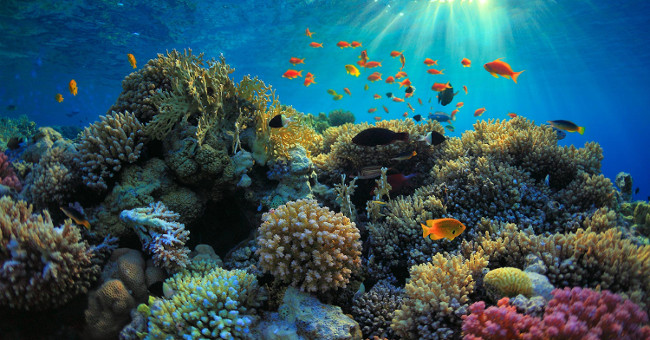
Recent statistics have shown that nearly 70% of shallow coral species at the northern point of the Great Barrier Reef are bleached.
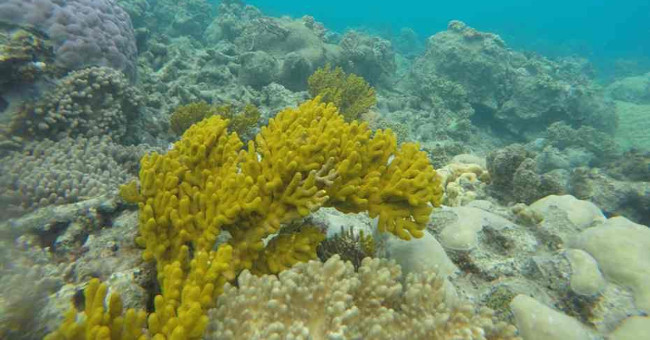
Besides the mission to explore space, scientists from the US Space and Aeronautics Agency (NASA) are working on a project to protect the Great Barrier Reef.
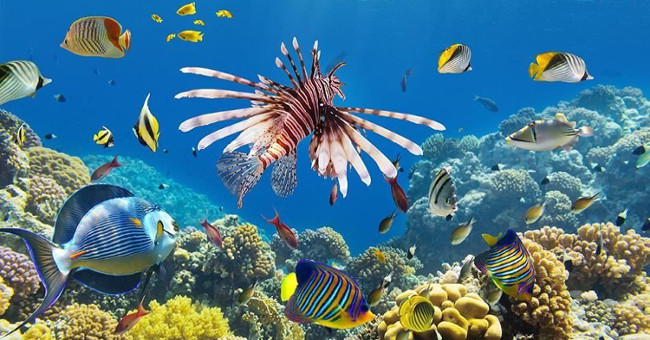
Australian scientists have concluded that small fishes living around coral reefs in the ocean have the ability to distinguish colors that humans cannot.
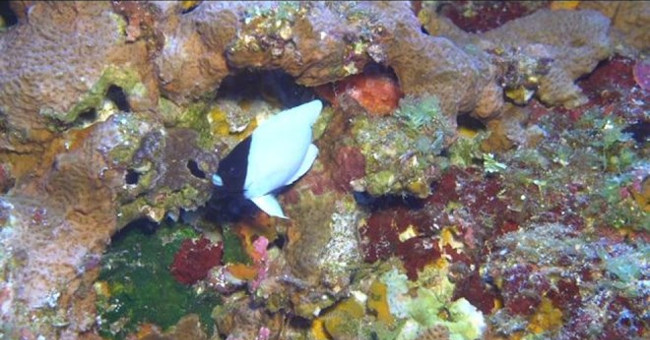
US scientists have discovered a species of fish that has never been known in the waters of the Hawaiian Islands.
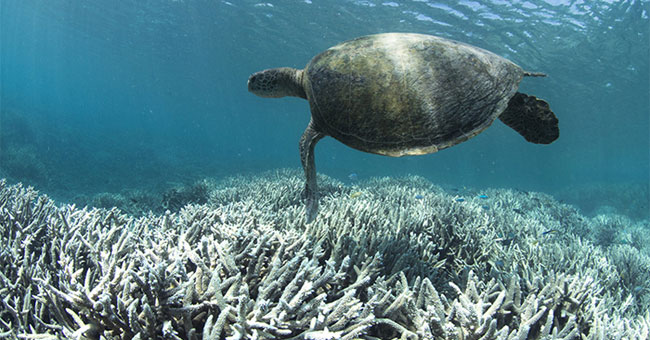
Australian scientists have discovered that some types of algae can switch genes to withstand higher temperatures, avoiding coral bleaching.
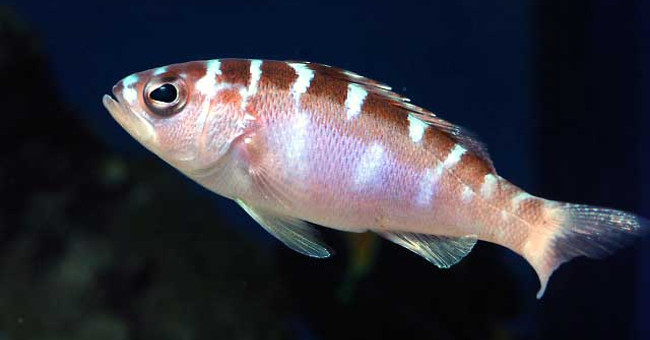
Grouper Chalk live in small Caribbean reefs that can change sex up to 20 times a day.