
Discover science
Why do we get older when cells are always replicating?
The human body is not designed to live very long and is usually limited to the age of 90. So why do we age and what does aging really mean?
Browse ScienceInfo articles and explainers related to Replication.
27 published items.
The human body is not designed to live very long and is usually limited to the age of 90. So why do we age and what does aging really mean?
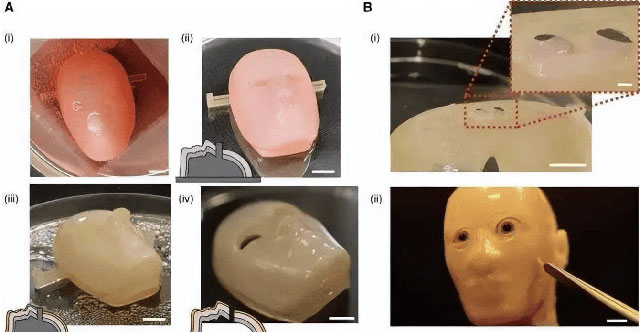
This discovery raises questions not only about the nature of life, but also about its evolutionary potential and potential threats to the future.
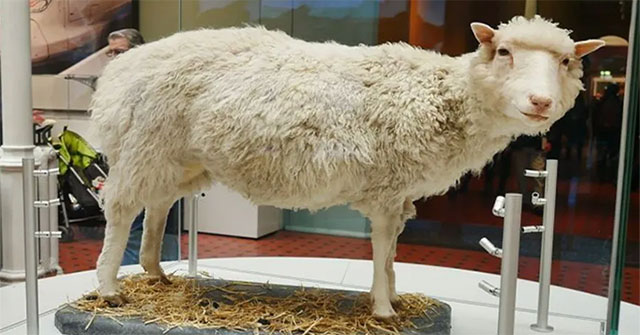
In 1996, Dolly the sheep caused a stir around the world after becoming the first mammal to be successfully cloned from an adult cell.
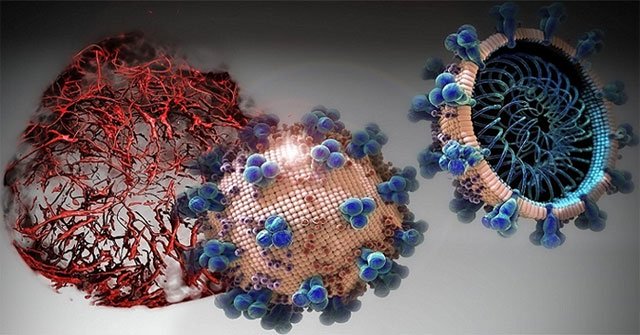
The hrsACE2 test drug can effectively block the cell gateway used by nCoV to infect hosts.

Environmental activists have tried to call for the replication of the burial model, while funeral companies have also found opportunities to do business for themselves.

Notable scientific events on July 23 in history.
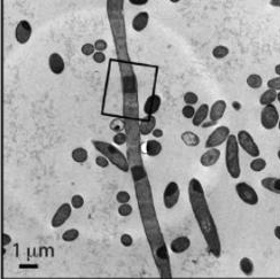
An approach to understanding the components of living organisms is to try to create them, using the principles of chemistry, engineering and genetics.
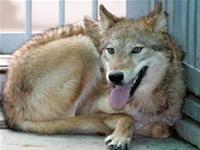
On March 26, Korean scientists from Seoul National University announced the first successful replication of the world's first wolf. This is considered a big step forward…
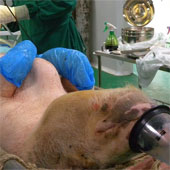
A pig replication center was established in China to serve research, testing drugs and treatment methods.
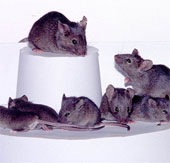
Japanese scientists have just created 581 perfect mice from a single after 25 replications, paving the way for the production of
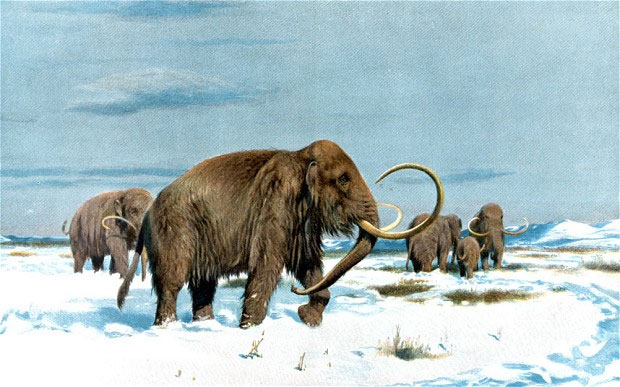
The idea of mammoth replication comes closer to reality when scientists discover that some parts of mammoths are well preserved in ice in Siberia in Russia and that th…
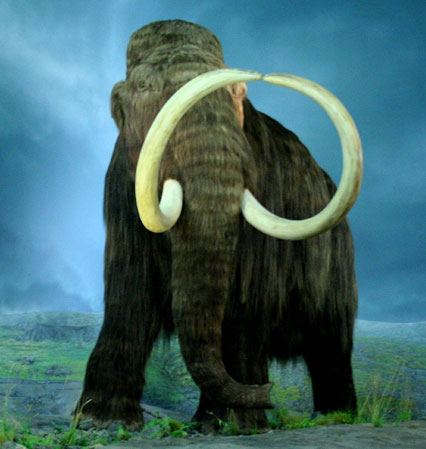
A group of 21 experts and researchers in a recent US seminar gave interesting predictions: The zoo will have more cloned animals of extinct species, headed by mammoths.…

Stability to ensure housing safety for people in flood and storm areas is always a concern of the government and people.

Russian and Korean scientists have signed a cooperation agreement to recreate mammoths - animals that have disappeared on Earth 10,000 years ago.
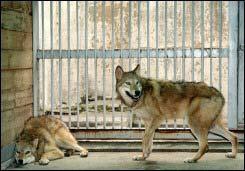
Seoul National University (SNU), South Korea's leading university, said on April 9 that it has begun investigating the errors in the data of the newly released wolf repl…