Archeology
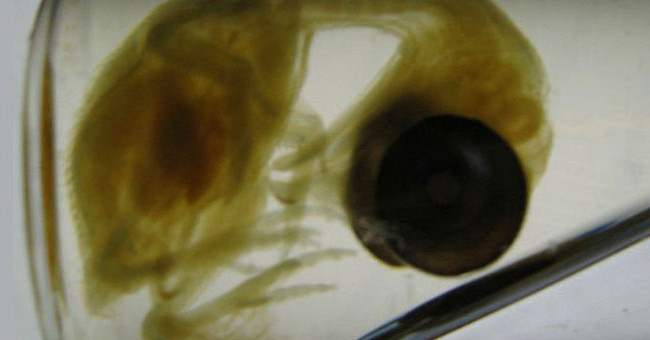
Create modern chickens with dinosaur legs for evolutionary research
By inhibiting the expression of a gene in modern chickens, scientists created a pair of legs-like chickens with its ancestral dinosaurs.
Browse ScienceInfo articles and explainers related to Research.
1,218 published items.
By inhibiting the expression of a gene in modern chickens, scientists created a pair of legs-like chickens with its ancestral dinosaurs.
The skeleton of a tyrannical dinosaur has provided scientists with clear evidence of a long-held hypothesis: T-Rex dinosaurs and its relatives are fierce animals with ep…

Fossil studies show that salamanders once lived 230 million years ago, about the size of a small car.

Scientists have added a fake tail to the chicken to learn about the movement of this carnivorous dinosaur.
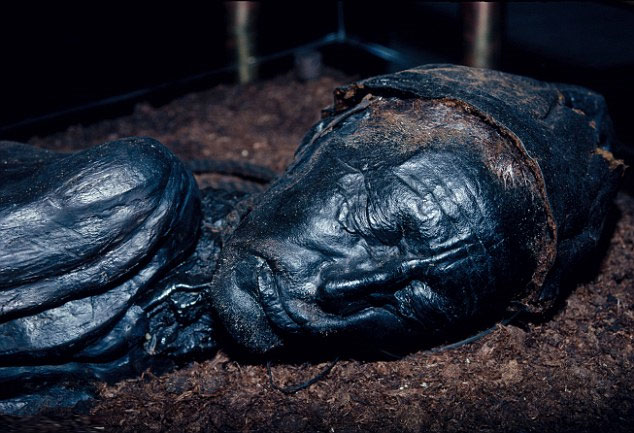
The bones of about 200 soldiers who died from Jesus are still in good condition under peat, allowing experts to hope for their ability to study DNA.

Paleontologists at the Ice, Snow and Environment Research Institute said they discovered fossils ...

Children's teeth that once lived 30,000 years ago were a very important part that scientists collected during a survey in the Abrigo region by Lagar Velho, Portugal in 1…
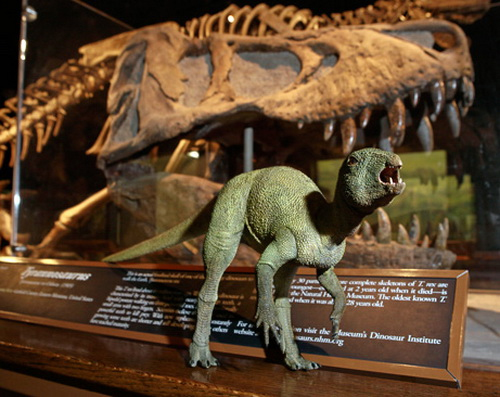
Archaeologists have said that the Fruitadens haagarorum is on display at the Los Angeles Natural History Museum, California ...
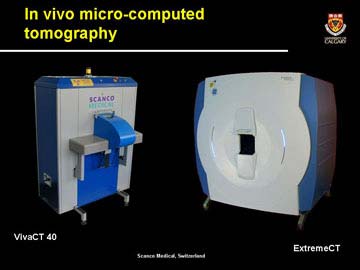
A very high resolution tomography machine called XtremeCT was originally designed to study osteoporosis in astronauts, which has been used to study the teeth and teeth o…
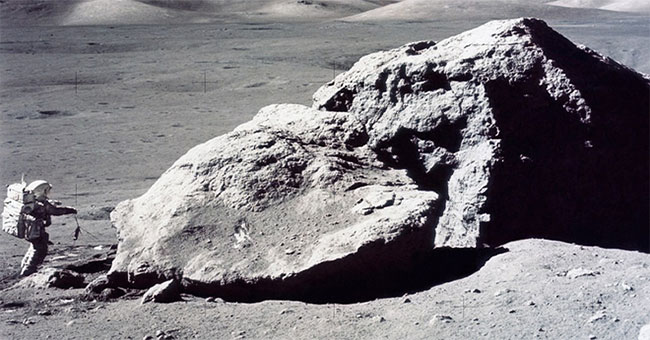
On July 20, 49 years ago, Neil Armstrong and Buzz Aldrin were the first to set foot on the Moon.
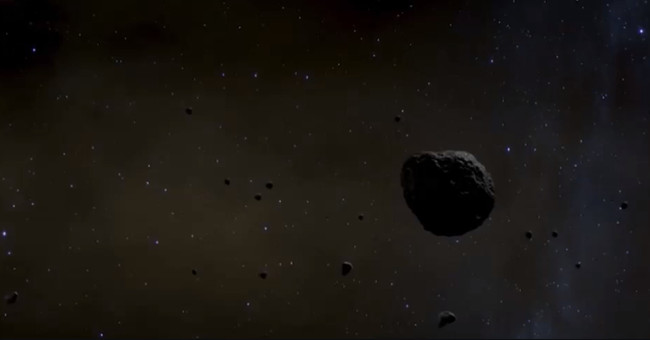
Scientists cannot track the trajectories of hundreds of asteroids after the first discovery.
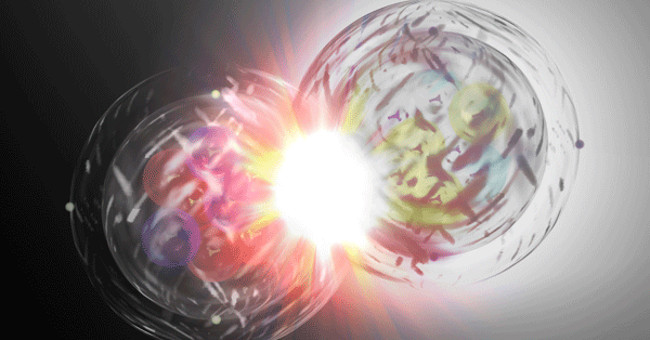
When this Universe was formed after the Big Bang occurred, the theory was that matter and antimatter were produced equally.
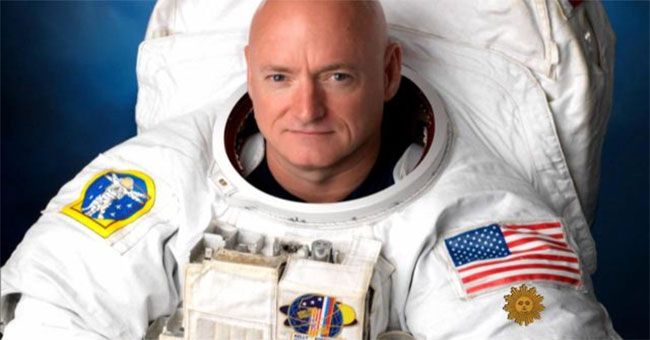
NASA's twin astronaut studies yield remarkable results, National Geographic reported on March 15.
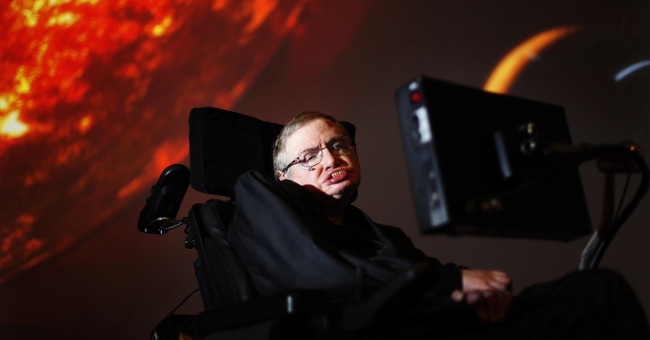
In this final work, Professor Hawking predicts that the universe will really end when stars run out of energy.