
Biology
China successfully researched 'sea rice', capable of raising 80 million people
Chinese scientists have recently harvested alkaline-resistant
Browse ScienceInfo articles and explainers related to Research.
1,218 published items.
Chinese scientists have recently harvested alkaline-resistant

Samples in the world's largest rice gene bank in the Philippines will be used to help farmers create rice crops that can survive singing and flooding.

At the end of the 19th century, humanity first discovered a new form of virus named life. Since then, these small entities have taken us from this surprise to another su…
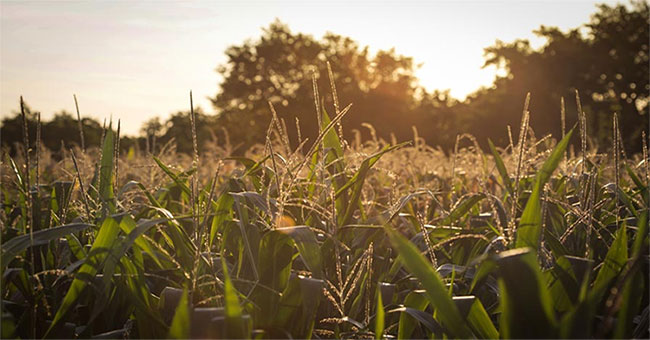
In September 2012, Séralini, a professor at Caen University, published a conclusive conclusion in the Food and Chemical Toxicology magazine about mice eating GM maize th…
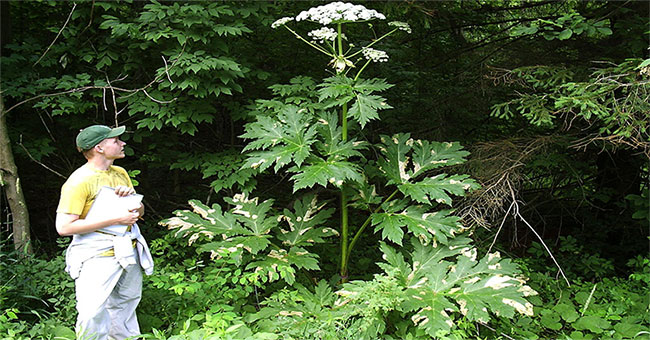
US authorities are warning people about the extremely toxic alien plant, which can cause burns of level 3 and even permanent blindness.
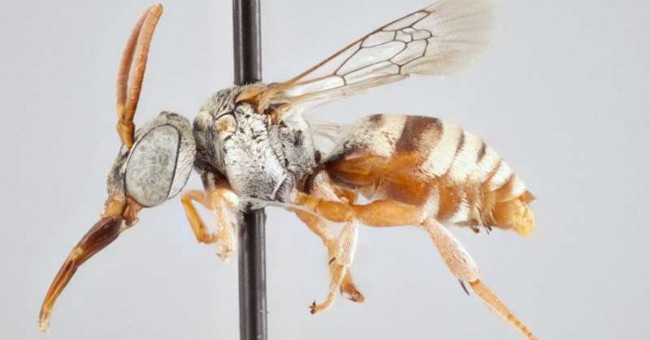
Cuckoo bees are similar in shape to hornets. However, unlike other bees, cuckoo bees do not have hairs - tools to collect pollen.
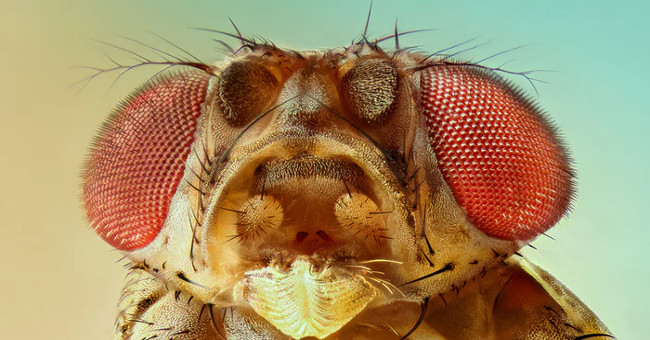
Owning DNA similar to humans, fruit flies were selected as experimental subjects in many Nobel-winning scientific studies.
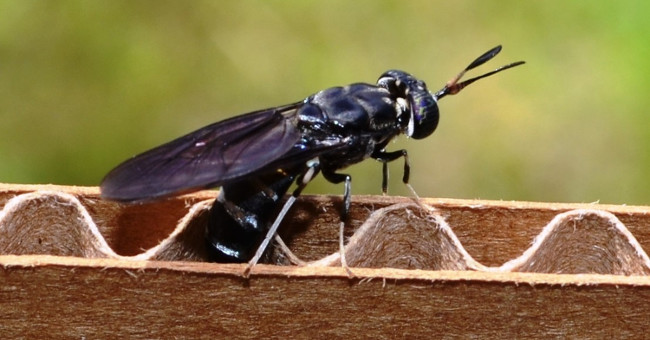
These seemingly useless animals are helping scientists in new research projects.
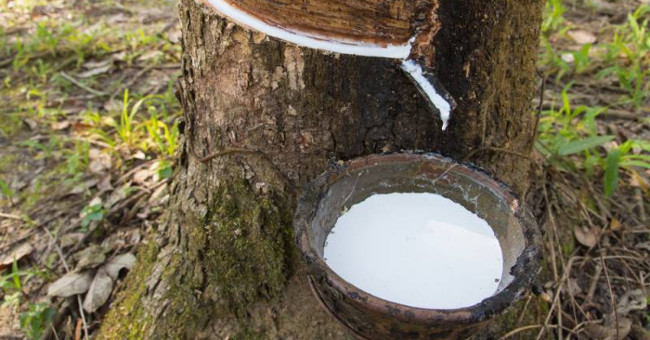
Researchers at the RIKEN Center for Sustainable Natural Science (CSRS) in Japan and colleagues at Sains University in Malaysia (USM) have succeeded in explaining the gen…

In the new study published in the July 8 issue of the journal The Lancet, scientists discovered a patient who caused the case.

A new breakthrough in gene regulation technology, the scientific world penetrates the vast amount of knowledge left open about DNA.
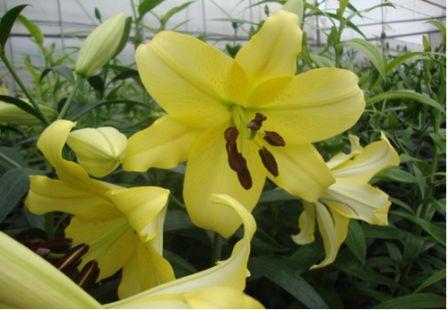
The trial production project of Manissa and Belladonna lily varieties with KC.06.DA10 / 11-15 codes presided over by the Fruit and Vegetable Research Institute was succe…
In a report published by the European Commission on April 7, Belgium is the country with the highest percentage of dead bees in Europe in the winter of 2012-2013.

Scientists have sequenced the chili genome and discovered genes that make peppers spicy.
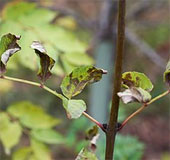
British scientists have mapped the genome of the British ash tree, in a search to find a way to protect forests from a deadly fungus.