
OceanographyScientists at the Maine Research Institute are located in Portland, Maine, and the United States discovered a special shell shrimp divided into two distinct colors: oran…
December 17, 2018
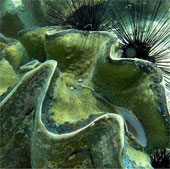
OceanographyGiant clam with the scientific name Tridacna gigas, is the world's largest two-shell mollusk, discovered in 1521.
December 17, 2018
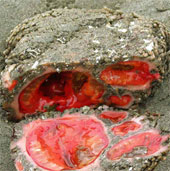
OceanographyThe marine animal named Pyura chilensis surprised many people by mistaking it for a bloody stone.
December 17, 2018
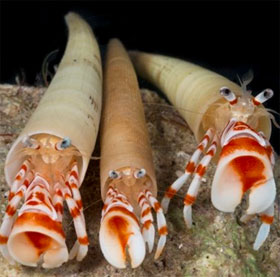
OceanographyFor the first time in history, scientists have photographed and studied the crab Pylopagurus discoidalis, often called recluse crab.
December 17, 2018
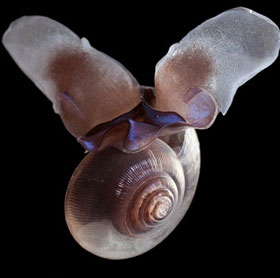
OceanographyAcidic oceans are dissolving the shells of marine organisms, making these creatures unable to resist predators.
December 17, 2018
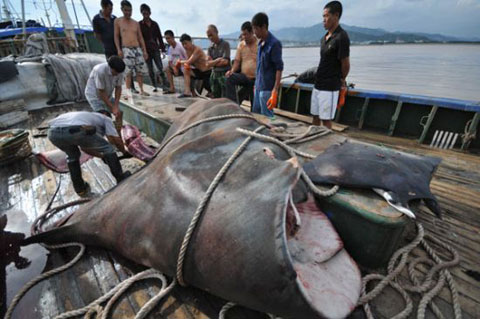
OceanographyChinese fishermen have caught a giant stingray weighing more than a ton off the coast of Fujian province. After putting stingray on a boat on September 3, fishermen took…
December 17, 2018
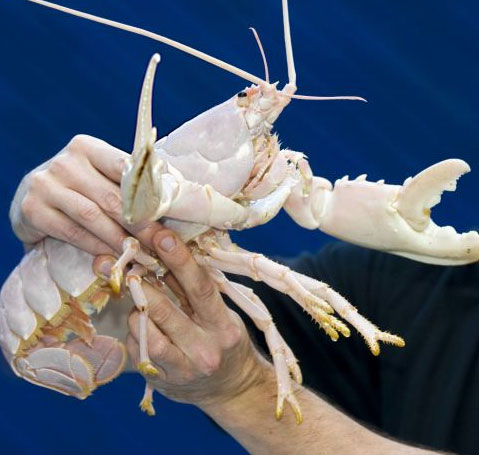
OceanographyFishermen who found snow-white lobsters in their nets decided not to eat them and took them to a aquatic center in Weymouth, Dorset, where it attracted a large number of…
December 17, 2018
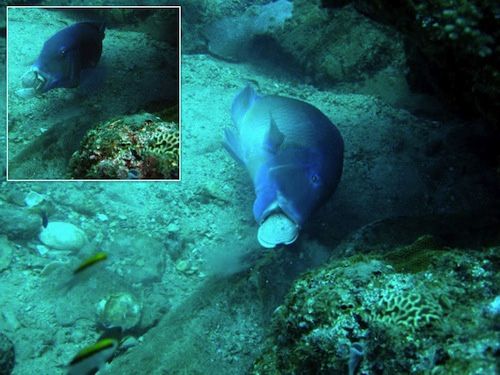
OceanographyFor the first time, scientists took a series of images of the black-spotted fishing fish, scientifically named Choerodon schoenleinii, using tools to pick up meat in a s…
December 17, 2018
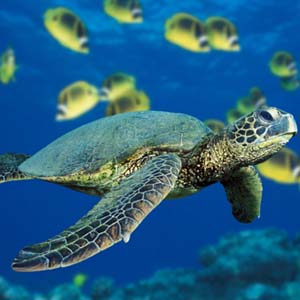
OceanographyDr. Peter Todd - former volunteer of VSA (New Zealand Volunteer Supply Organization) - had an article sent to the Environment page to call for the rescue of Vietnamese s…
December 17, 2018

OceanographyAn oceanographer discovered the new crab shaped like a strawberry, with white spots on the red apricot, on the southern coast of Taiwan.
December 17, 2018

OceanographyThe latest research on the three-layer shell structure of a sea snail species can lead to the introduction of new generation helmets and helmets.
December 17, 2018

Đại dương họcScientists witnessed the octopus picking up pieces of coconut shells and turning them into shelters.
December 17, 2018
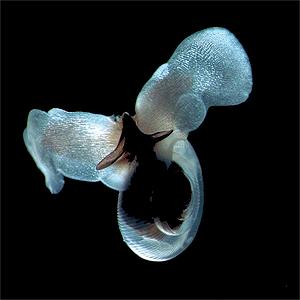
OceanographyWhat makes Alaska's seas one of the most productive regions in the world can also make them vulnerable to sea acidification.
December 17, 2018
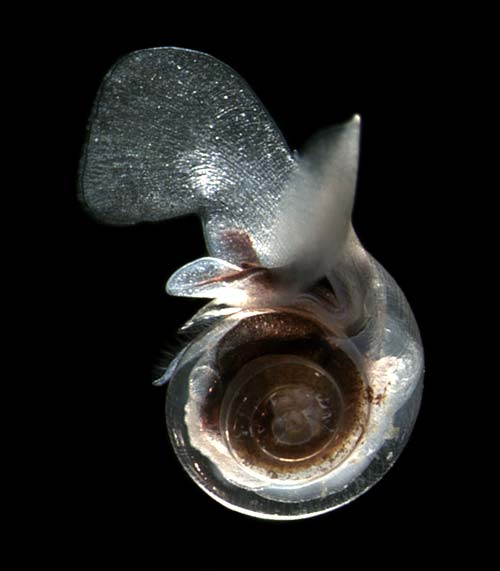
OceanographyL. helicina is a wing-legged animal - a soft-bodied marine animal that is as small as a lentil - commonly known as the 'fried potato' of the ocean because it is the food…
December 17, 2018
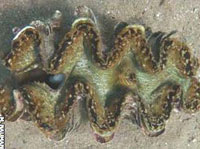
OceanographyA new giant clam has just been found in the Red Sea, with deep folds on the shell.
December 17, 2018