Discover science
650,000-year-old 'gateway to the underworld' discovered in Siberia
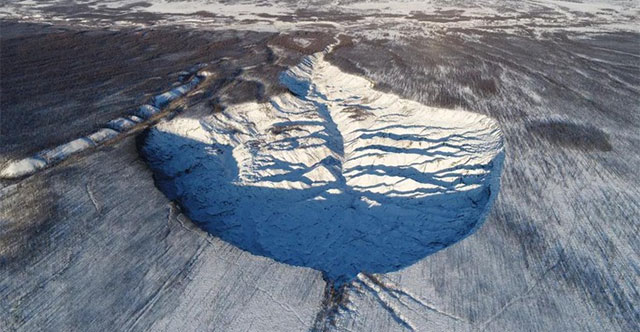
European scientists have just proven that Batagay Crater, a natural structure called by the people of Siberia (Russia),
Browse ScienceInfo articles and explainers related to Siberia.
179 published items.
European scientists have just proven that Batagay Crater, a natural structure called by the people of Siberia (Russia),
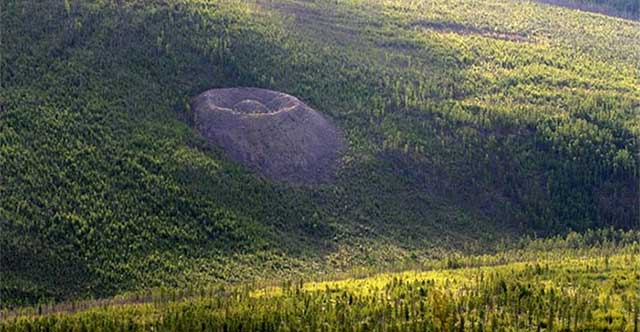
Deep in the forests of southeastern Siberia, the Patomisky Crater is a mysterious mound of broken limestone jutting out from the vegetation on the hillside.
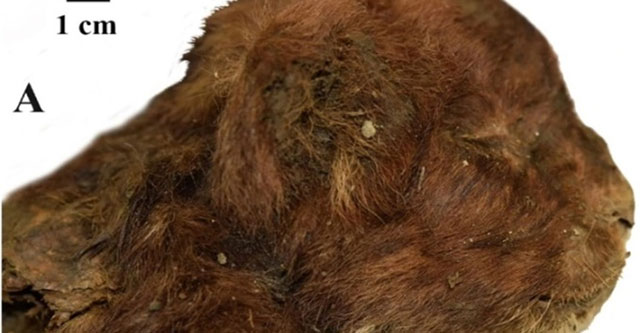
Researchers analyzed a mummy collected from permafrost in Siberia in 2020 and determined it was a 3-week-old saber-toothed cat that died at least 35,000 years ago.
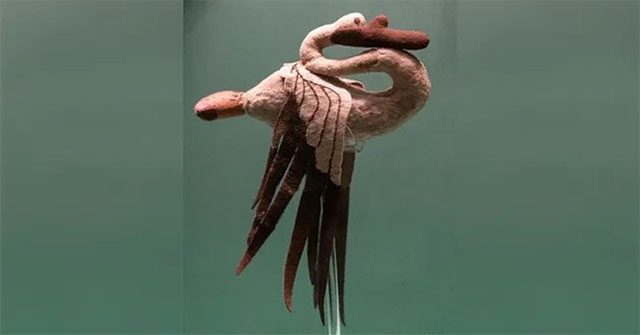
Archaeologists have found a stuffed swan in a burial mound in Siberia. It is believed to belong to the Pazyryk culture, an Iron Age people.
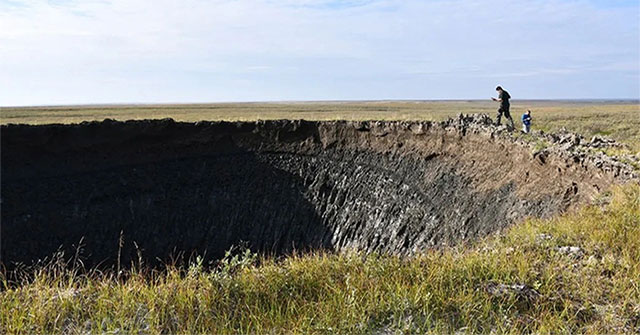
New research suggests that the region's geological conditions, coupled with the effects of climate change, led to the emergence of a series of
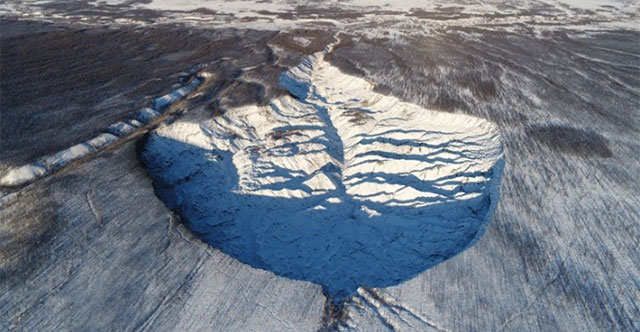
The 990 m wide Batagay crater in the Far East is continuously expanding, with the volume of frozen ground melting each year reaching up to one million cubic meters.

Siberia - a vast landmass in the north of Russia, often known for its cold climate and wilderness.
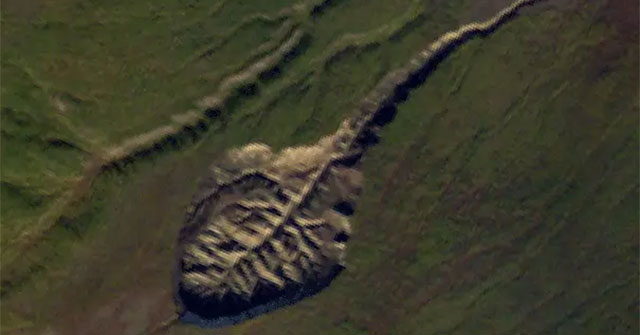
Immediately after finding out
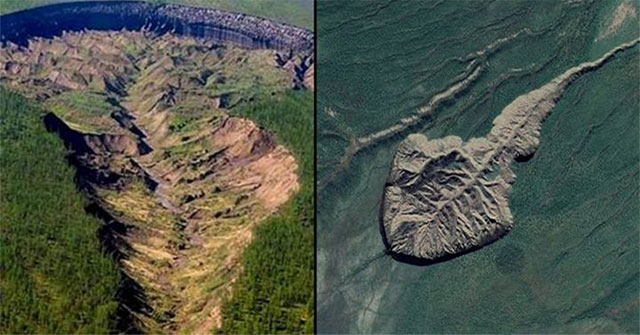
The crater known as the door to hell in Siberia is opening wider and wider, nothing can stop it.
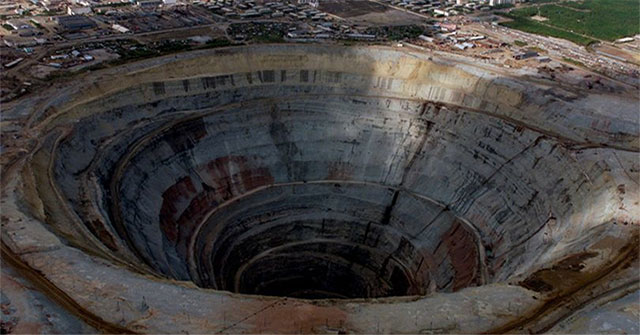
Mirny is a diamond mining town located deep in Siberia, eastern Russia. It is one of the largest dug holes in the world and can suck up anything that flies through it, i…
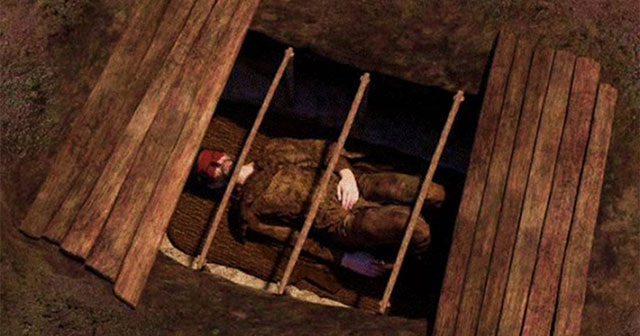
In addition to being covered in ocher, the remains in two large graves in Serbia are unusually tall, suggesting they had migrated from elsewhere.

Scientists have discovered a huge and terrifying source of laughing gas called Yedoma, a type of permafrost, that affects the warming of our planet.
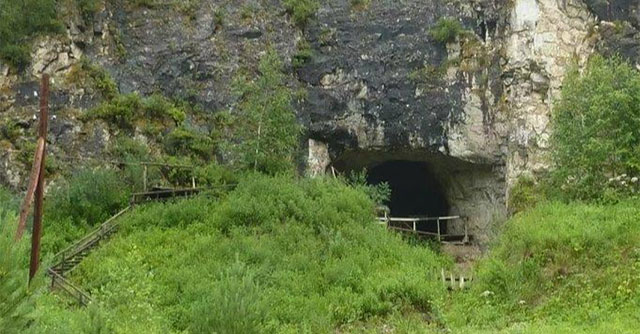
Nearly 3,800 remains that actually belong to three Denisovans - a large but mysterious ghost human, lurking in the blood of many Asians - have been found in a cave in Si…
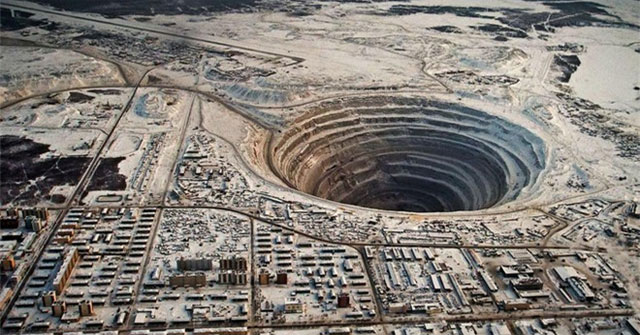
Diamond mine with huge reserves in Siberia, enough to supply humanity for another 3,000 years.
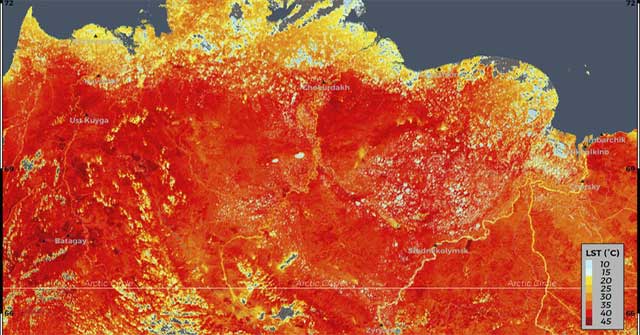
The AP posted that the Arctic temperature is constantly rising, causing scientists to worry about the consequences that the rest of the world will suffer.