Space science
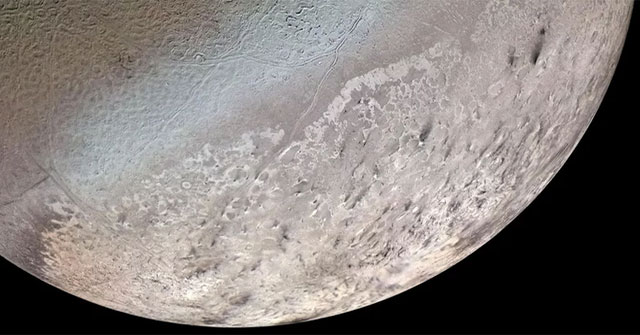
Unrevealed Facts About Triton - Neptune's Mysterious Moon
Triton is surprisingly similar to Pluto. While this pair may look quite different, they are almost the same size and composition.
Browse ScienceInfo articles and explainers related to Solar.
2,143 published items.
Triton is surprisingly similar to Pluto. While this pair may look quite different, they are almost the same size and composition.
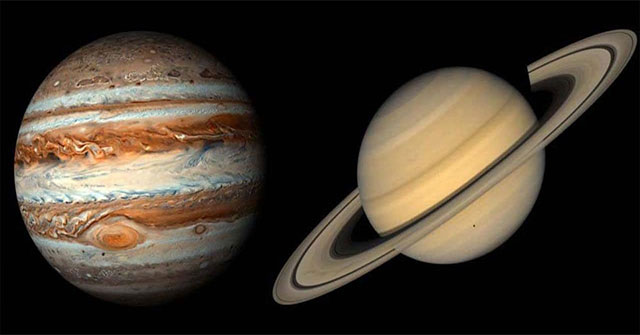
Today, with the development of science, we also know the value and importance of other planets in the Solar System to Earth.
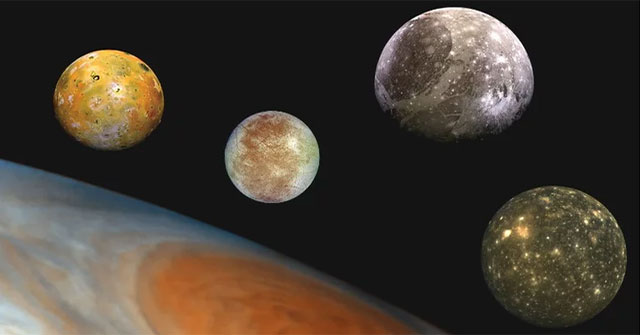
Jupiter is the largest planet in the Solar System with two and a half times the mass of all the other planets in the Solar System combined.

In ancient times there were always many prophets, and some of the prophecies were actually amazingly accurate.
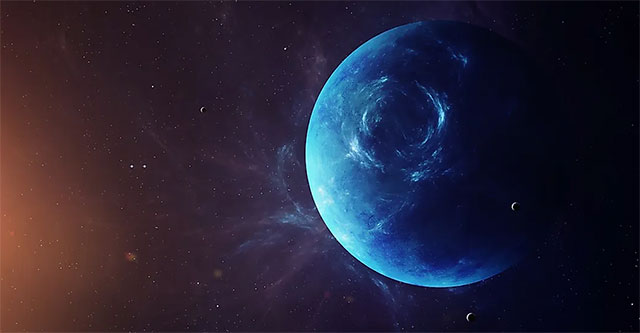
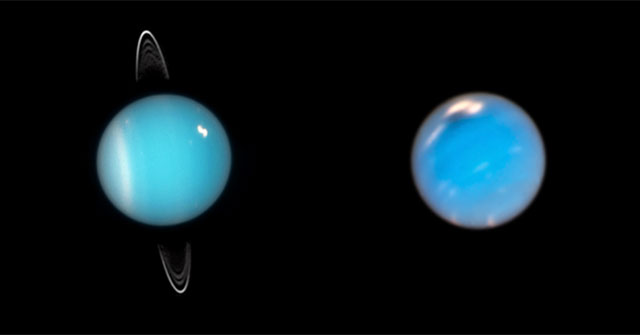
China is also contemplating a nuclear-powered Neptune Explorer to explore the ice giant and its largest moon (Triton).
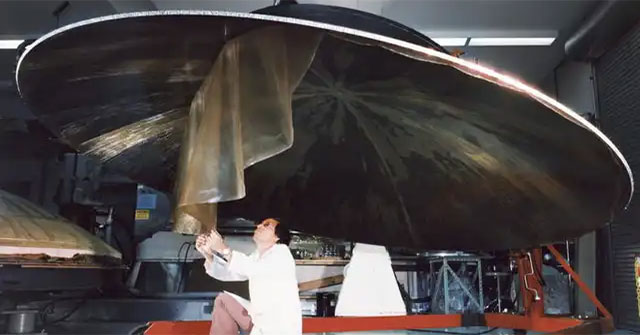
Voyager 1 is a 722 kg spacecraft operating beyond the Solar System and beyond, launched on September 5, 1977.
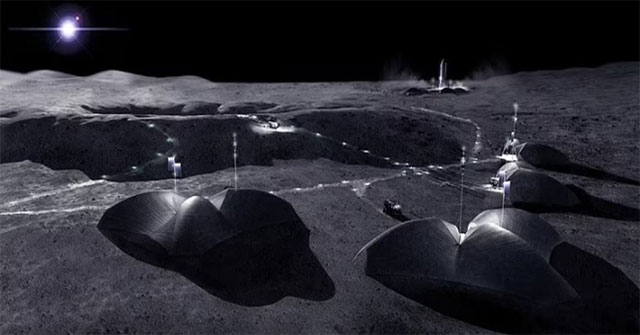
AI company SpaceFactory designed a 3D-printed bunker on the Moon that could protect astronauts from radiation, meteors and earthquakes.
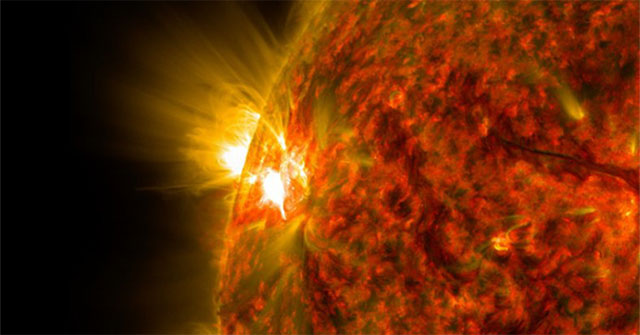
Leading experts at NASA predict that from 2021, solar energy will enter the new 25th cycle very gently, but the reality is quite the opposite.
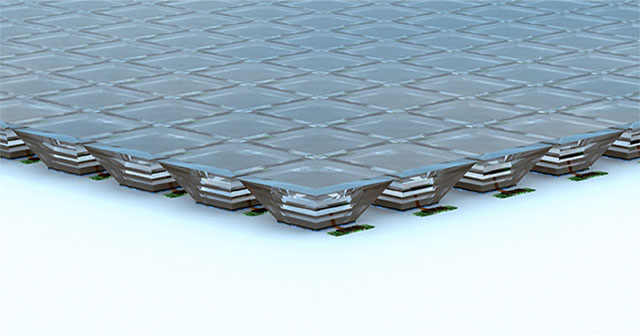
Solar cell technology now requires solar cells to absorb sunlight directly to create the highest conversion efficiency.

The Carrington Event of 1859 gave us a foretaste of just how dire the Sun was to humanity. But it could turn out to be worse than we imagined.
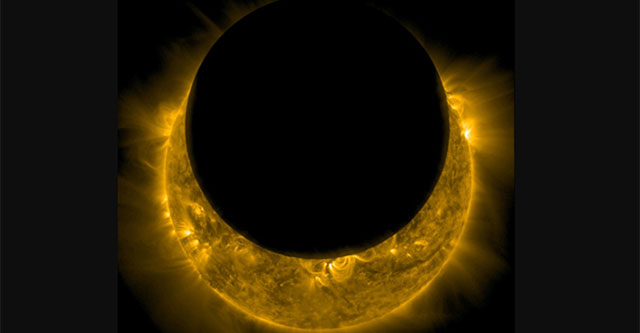
NASA's Solar Dynamics Observatory captured the moment the Moon passed in front of the Sun on June 29.
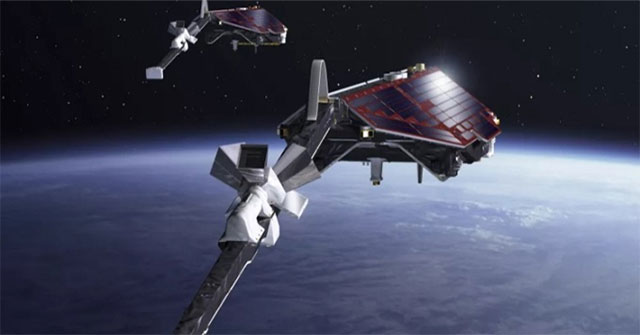
Experts fear the new solar cycle will cause satellites flying in low orbit around the Earth to run out of fuel and fall through the atmosphere faster.
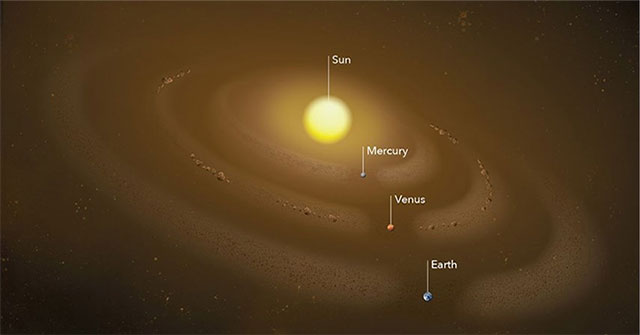
The universe is a vast and immutable outer space, containing mysteries that humans have never approached. In the Solar System, a series of open questions are still causi…

Clusters of 'bubbles' floating above Earth to reflect sunlight could help reverse global warming.