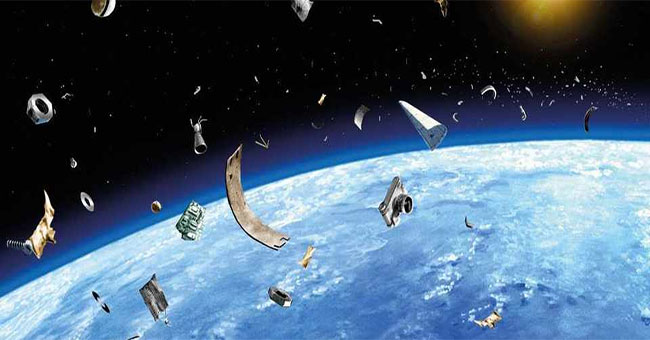
Space science
How much human waste has been discharged into space?
When it comes to pollution, environmental pollution is what most people think. Have you ever thought about polluting the universe? Chances are, this is the first time!
Browse ScienceInfo articles and explainers related to Space Garbage.
18 published items.
When it comes to pollution, environmental pollution is what most people think. Have you ever thought about polluting the universe? Chances are, this is the first time!
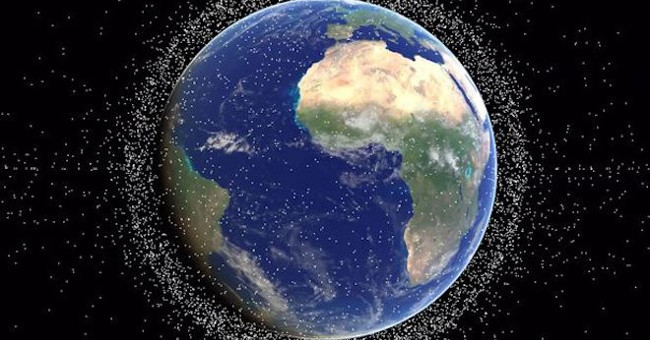
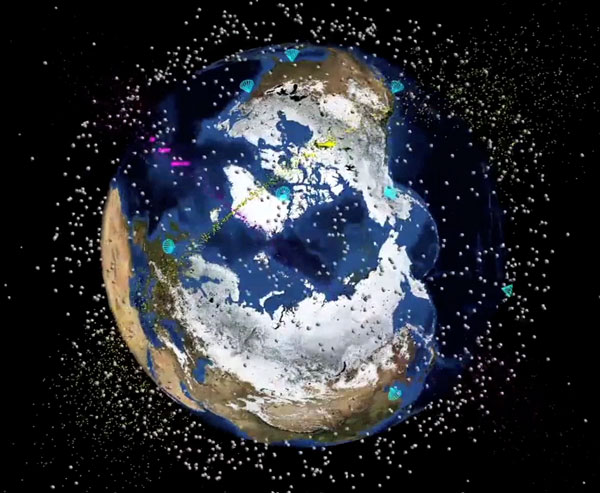
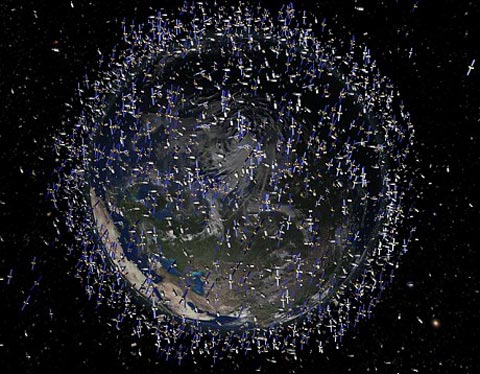
According to the Mirror, scientists estimate that there are about 600,000 pieces of space junk flying around the Earth.
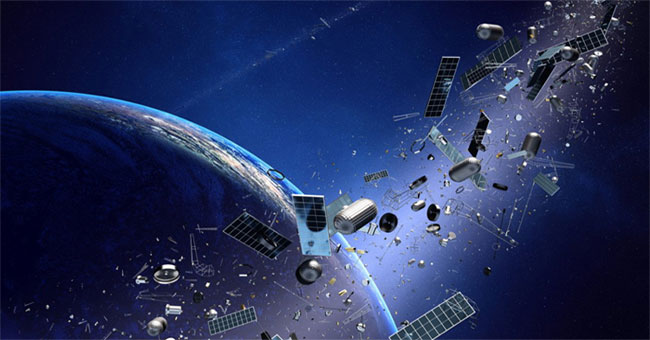
On October 4, 1957, Sputnik I became the first satellite of humanity to fly into space. But this satellite also marks another milestone in history, which is the emergenc…
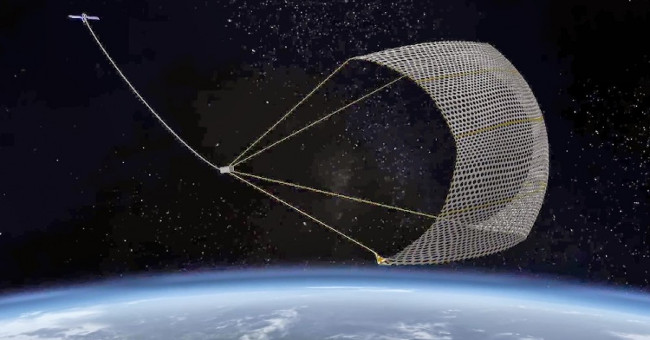
According to The Guardian, Japan 's Earth - Orb garbage - removal test on February 6 ended in failure, a specially designed Japanese magnetic grid to remove space junk c…
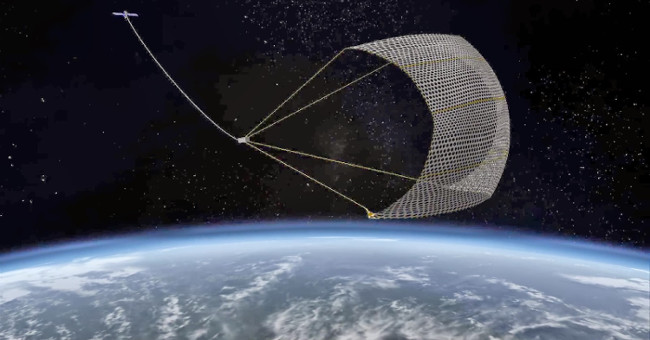
NASA estimates that more than 500,000 fragments are floating at speeds of up to 28,162 km / h (17,500 mph) around the Earth.
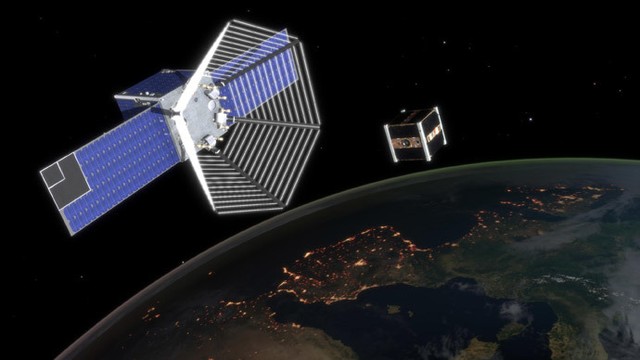
We have about 500,000 pieces of trash, ranging from 1cm to 10cm, and about 22,000 other pieces larger than 10cm are flying around Earth orbit.
The threat from cosmic garbage is increasing as more and more missile or satellite fragments fail or stop appearing in orbit near Earth.
Switzerland plans to launch a satellite
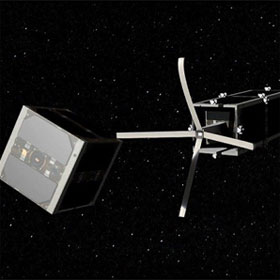
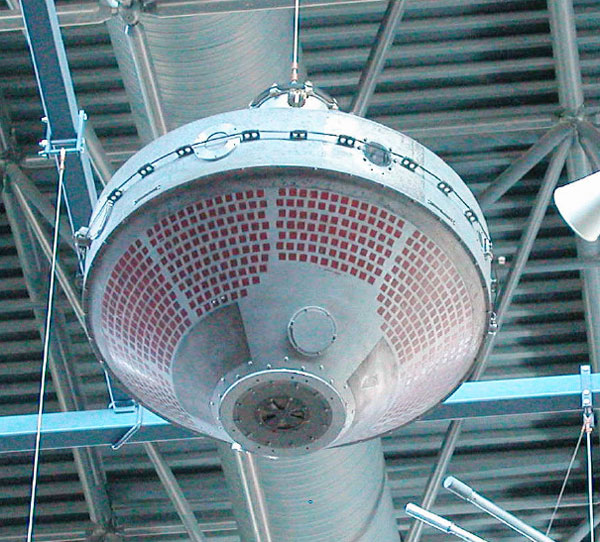
One of the first US satellites named Explorer 8 launched on October 3, 1960 after half a century of orbiting into the dense atmosphere on March 31.
According to the Associated Press, Swiss scientists plan to launch a specially designed
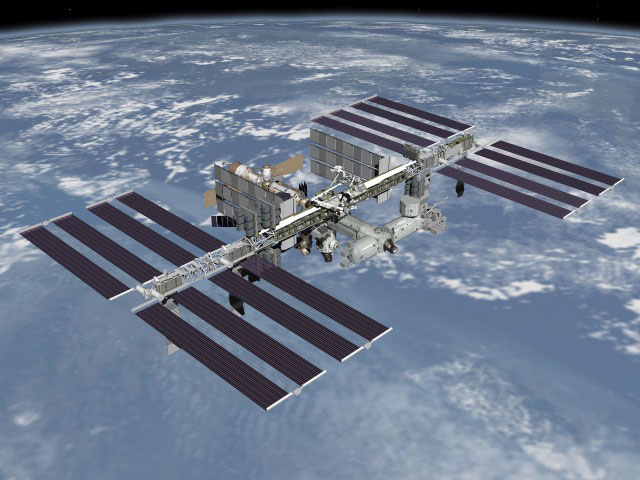
On January 12, the US Space Agency (NASA) announced a piece of trash from Iridium, a US private telecommunications satellite, flying close to ISS last afternoon. The dis…
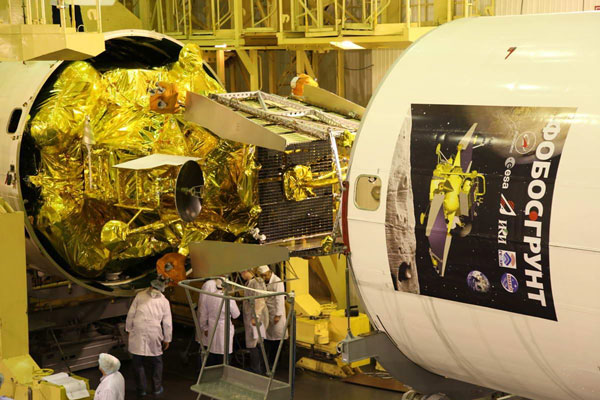
If the 12 tons of fuel of the Phobos Grunt ship does not freeze, it is capable of causing damage when dropped.
Astronauts on the International Space Station (ISS) recently had to evacuate urgently, after a piece of cylindrical garbage was found approaching near the station.
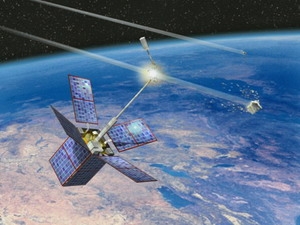
Automatic laser systems can detect and prevent debris floating on space colliding with spacecraft and satellites.