Scientific works
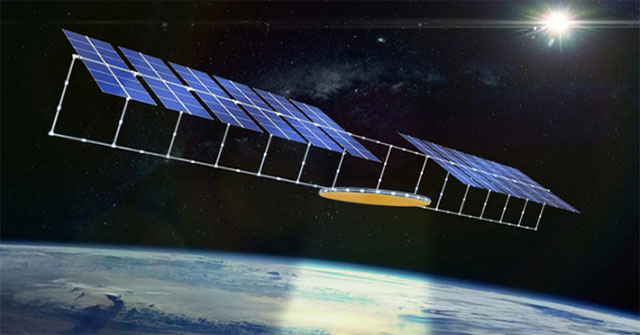
How does a solar power station in outer space work?
Solar power stations in space receive light continuously 24 hours a day but require high costs and high risk of failure.
Browse ScienceInfo articles and explainers related to Space.
3,896 published items.
Solar power stations in space receive light continuously 24 hours a day but require high costs and high risk of failure.
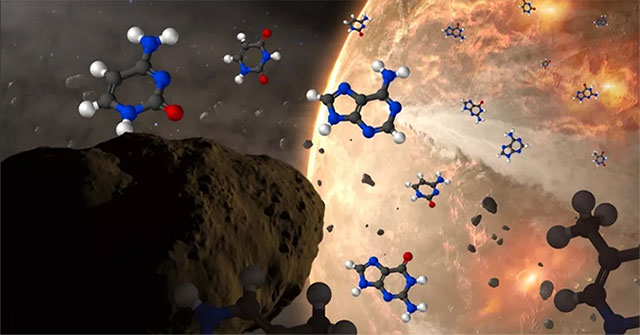
Scientists claim the key 'genetic letters' of life on Earth can be found in space rocks.
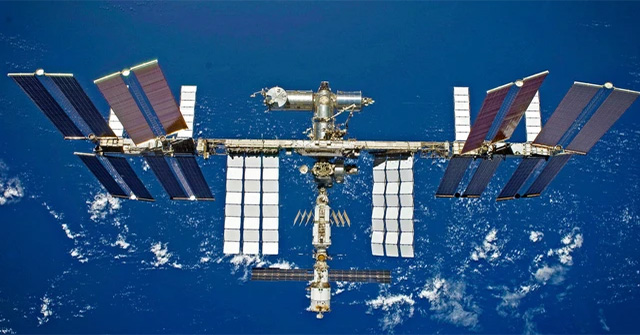
The article will share some ways to help you easily track the current position of the ISS station in the sky.
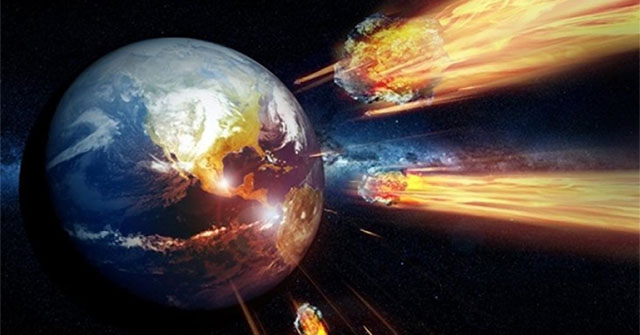
Beijing is looking to build a system capable of effectively monitoring asteroids and changing their course to protect Earth from potential impacts.
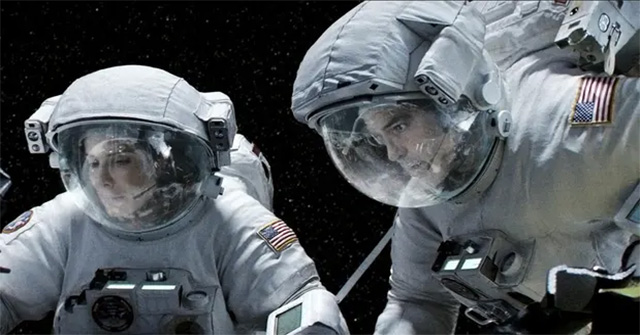
Biological processes in the weightless environment take place in a different way than on Earth, adaptive mechanisms in the human body must be rebuilt.

Legendary descriptions of a cosmic influence in ancient Chinese texts increased its value many times over, as it was the first scientific report of a geomagnetic storm.
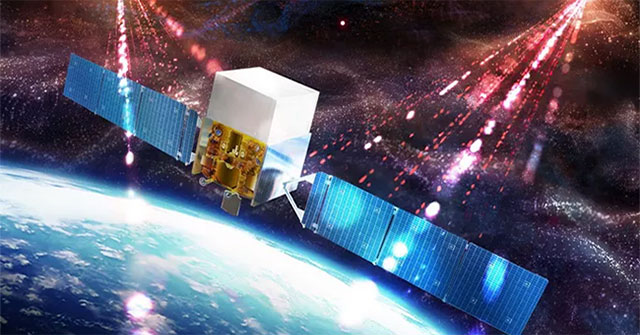
FERMI - NASA's super gamma-ray space telescope - could be the next warrior on a mission to hunt down the merger and collision events of the most terrible monsters in the…
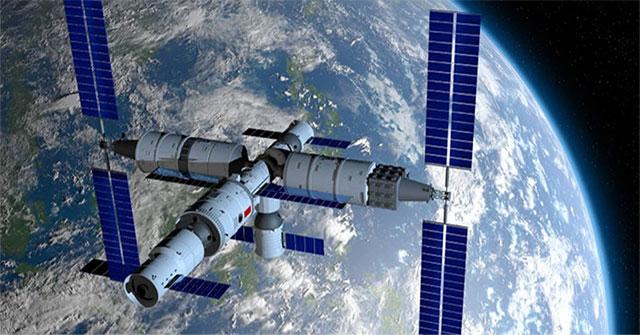
Once completed, Thien Cung will become the first nation-owned space station in history.
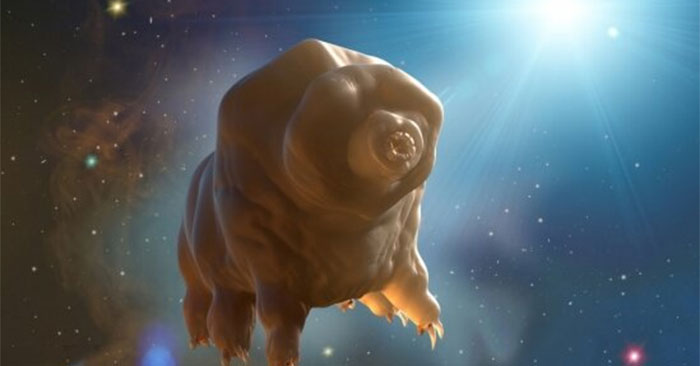
Human spaceships are not the first victims of undead monsters. They still often smuggle tickets to other Earth creatures when they need to travel far.
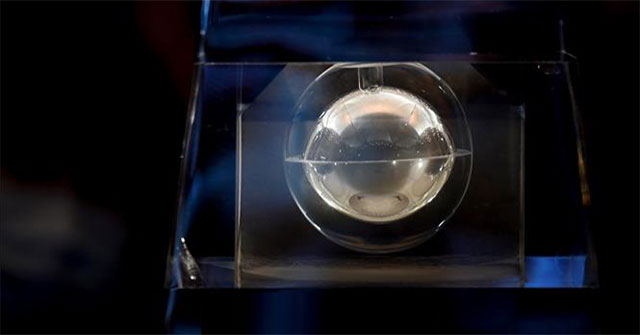
Samples from the Moon brought back by China's Chang'e-5 probe have helped researchers better understand the impact of latitude on space weather.
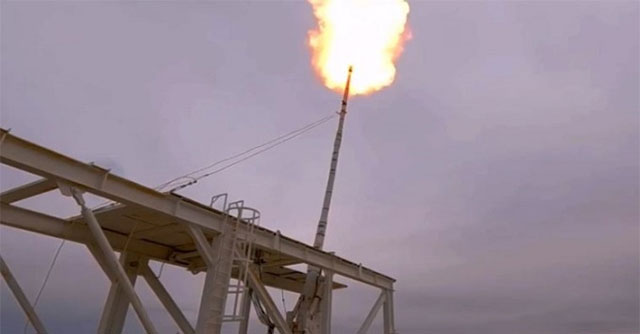
The company Green Launch is developing a device to launch objects into orbit at supersonic speeds using only a mixture of hydrogen and other gases.
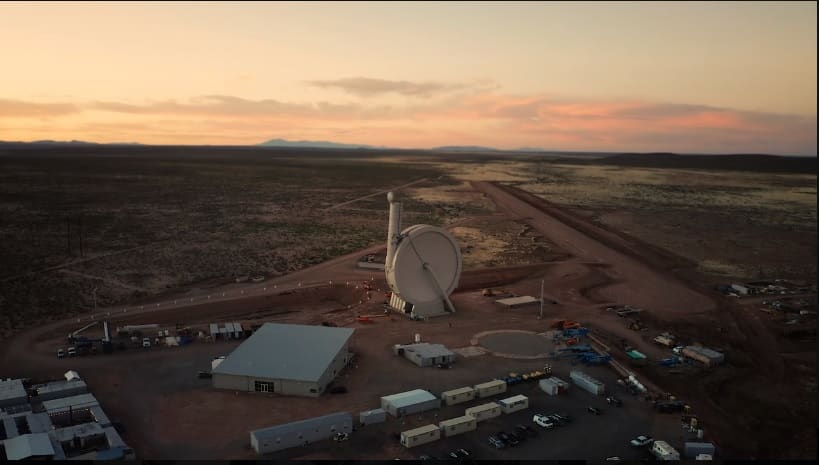
This machine is said to have a small cost and less impact on the environment than using traditional rockets. Expectedly, catapult
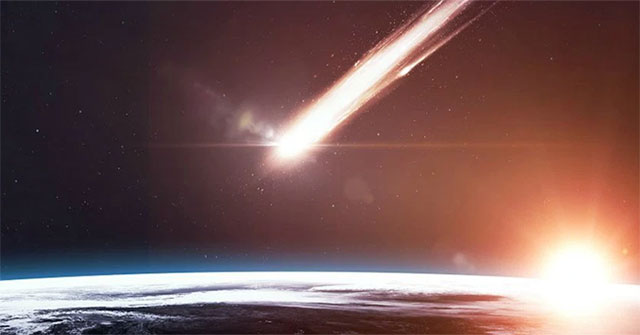
The US Space Command, after 3 years of review, announced the existence of an object with a speed of 58,333 meters per second!
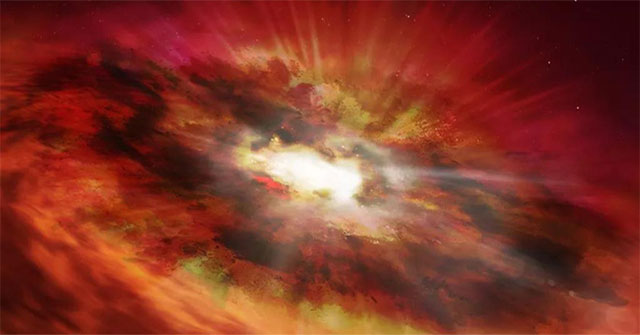
An image more than 13 billion years ago from an ancestor of monstrous black holes was captured by the NASA/ESA Hubble Space Telescope.
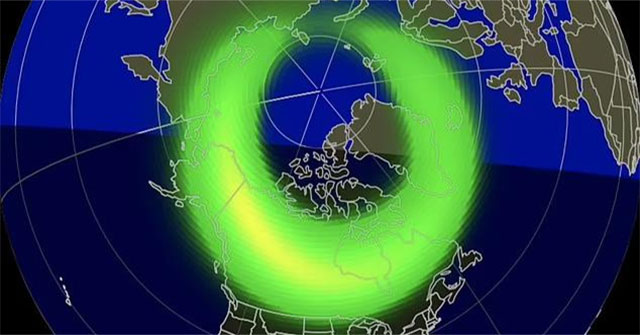
At speeds of up to millions of miles per hour, the fireball originating from the sun's dead sunspot is forecast to collide with Earth's atmosphere on April 14.