New technology
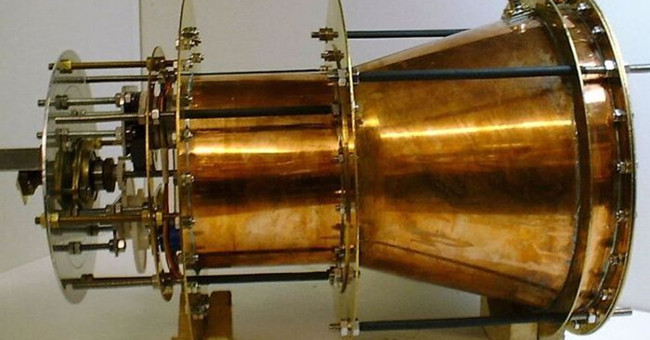
EmDrive: The engine doesn't need fuel, goes to the Moon for only 4 hours?
The laboratories in the world have set for themselves
Browse ScienceInfo articles and explainers related to Spacecraft.
1,157 published items.
The laboratories in the world have set for themselves
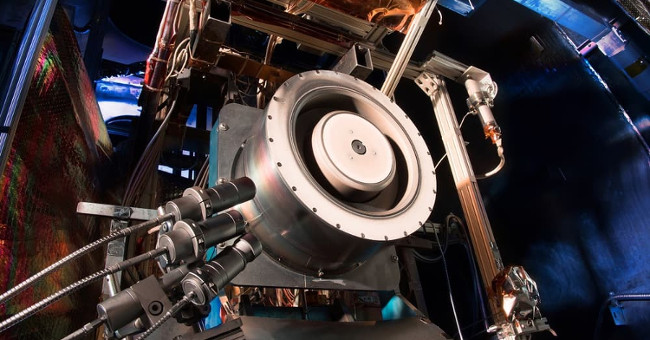
NASA announced today it has signed a three-year contract with a company to develop solar powered propulsion for Mars and other space exploration missions.
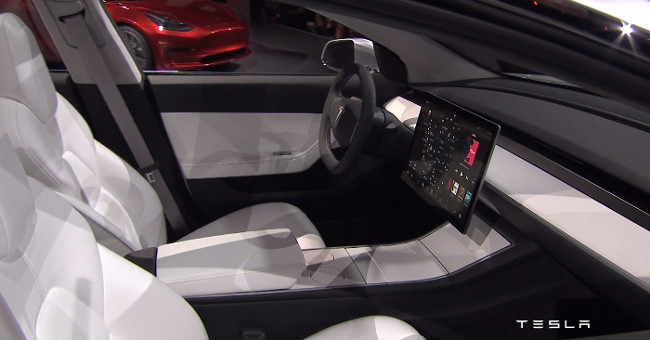
The recently launched Tesla Model 3 car has become a big hit in the auto industry.

According to the US Aerospace Agency (NASA), this is a promising engine system that can take space ships out of the solar system at a much higher rate than today.
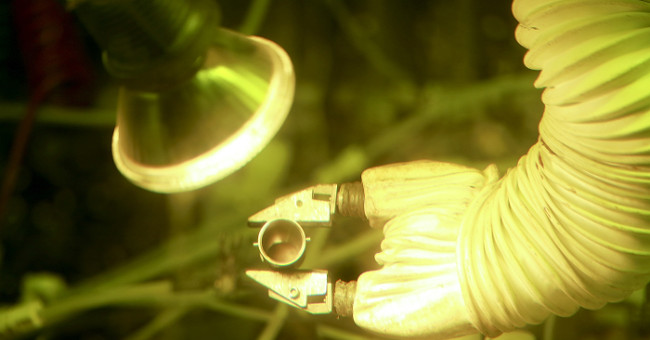
With a long half-life, Pu238 can provide an abundance of energy for spacecraft for nearly nine consecutive years.
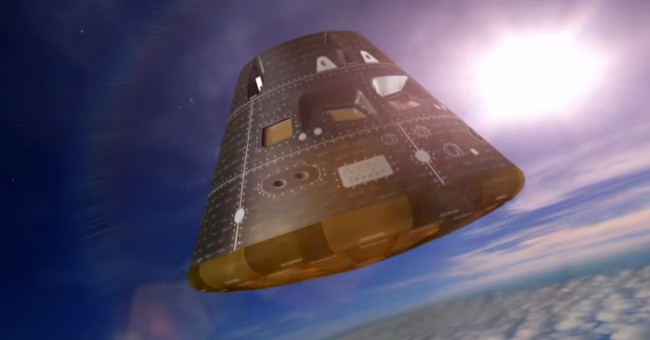
US scientists have successfully synthesized a new metal that promises to change the car, aircraft, and spacecraft industry.
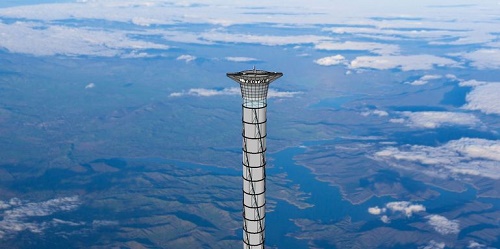
Thoth Space Technology (Canada) has just been granted a patent for a space elevator design with a height of 20 km, inspired by an English writer's novel.
The goal of this research project is to create a fresh and pleasant atmosphere for astronauts.
SPHERES is a project for the development of spherical satellites that are used on ISS stations to test spacecraft instruction sets for automatic flying operations and pa…
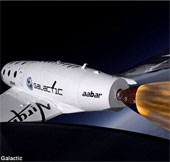
In the first part of the third test flight at California's Mojave Spaceport, the SpaceShipTwo spacecraft is paired underneath the WhiteKnightTwo fuselage.

The top of the high-speed train with code L0 is nearly 92 feet (28m) long. The 49-foot (15-meter) aerodynamic cockpit compartment features 24 seats. All 16 cabins can ca…

NPO Molniya, a Russian aerospace corporation, is designing an unmanned supersonic bomber capable of launching a satellite from the air. They called the plane Hammer.
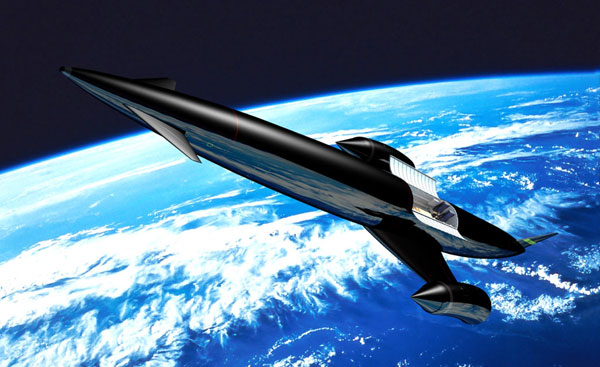
Skylon spacecraft is designed with the ability to take off and land as generations of traditional aircraft thanks to the runways. However, Skylon has the ability to tran…
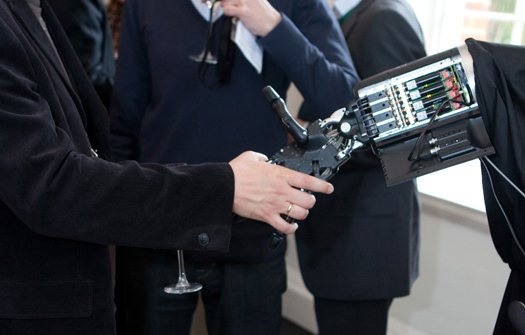
Engineers at Shadow Robot have successfully crafted a highly intelligent robotic remote control that promises breakthroughs in tackling difficult tasks.

Astronomers at the Max Planck Institute for Astrophysics (Germany) have announced the development of a new way to scale planets.