Oceanography
'Mysterious creature' in Vietnam's deep sea identified as a new species by scientists
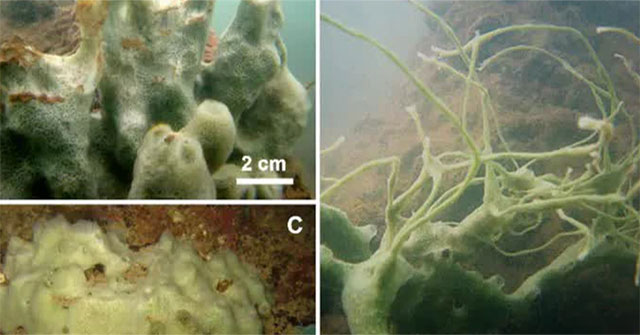
(Fatherland) - A new species of creature in Vietnam has attracted the attention of scientists.
Browse ScienceInfo articles and explainers related to Sponge.
77 published items.
(Fatherland) - A new species of creature in Vietnam has attracted the attention of scientists.

Strange creature in Hubei province - China belongs to the period called
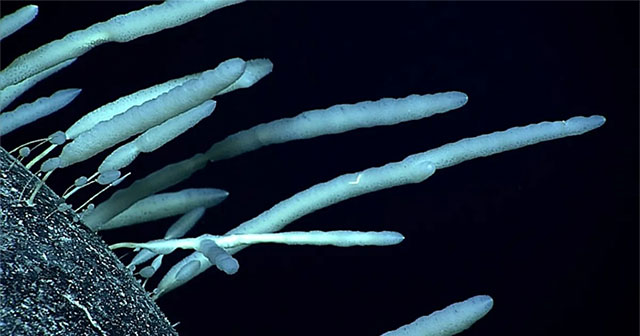
One of the most astonishing examples is the Antarctic sponge Monorhaphis chuni, with one specimen estimated to be over 11,000 years old.
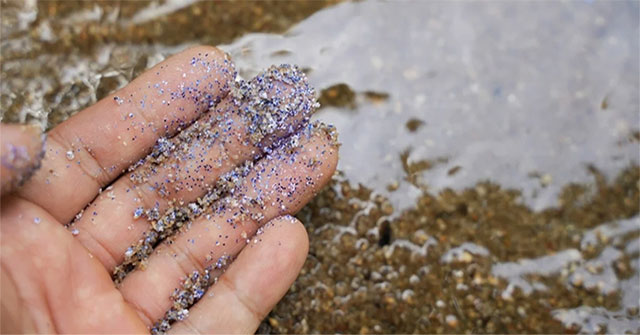
This invention offers a new and sustainable solution to the global microplastic pollution problem.
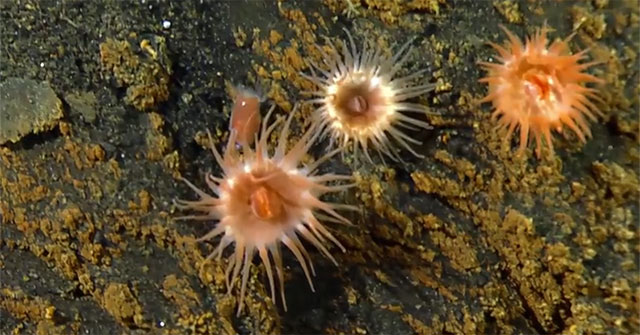
At a depth of nearly 700m under the sea, a remotely operated vehicle recorded the scene of a sea anemone hunting for prey at lightning speed using its tentacles.

This is also the first complete sponge fossil this museum has collected since 1958.

Legend has it that a group of Portuguese monks were sailing to Macao when their ship ran into bad weather and they landed in Nagasaki, Japan instead.
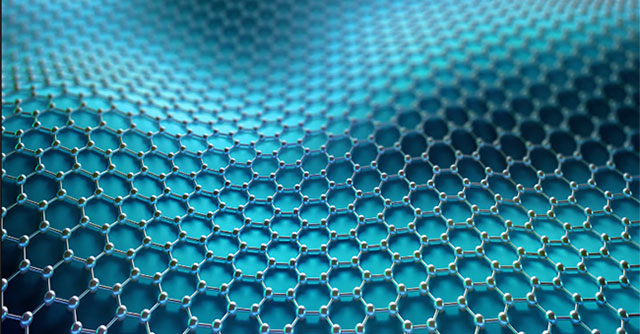
Engineers at the University of Vienna have developed a new composite material that creates an effective filter for removing organic pollutants from water.

A crab with reddish-brown fur covering its body washed up on the beach and has been identified as a new species of sponge crab.
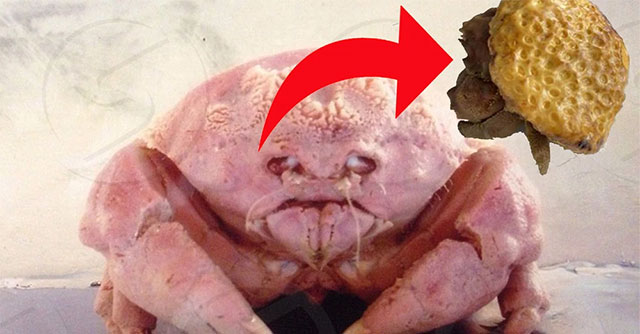
If you are a person who has a fear of round holes (Trypphobia) - a syndrome that affects up to 15% of the world's population, you will surely feel fear, avoidance, worse…
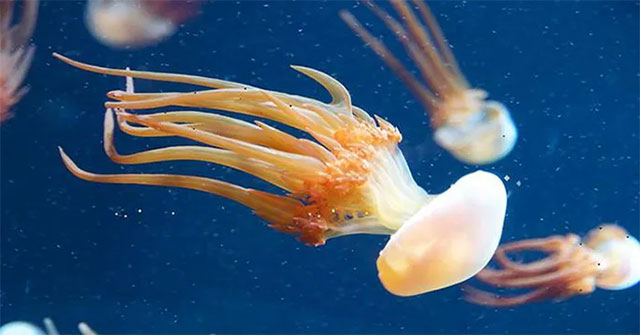
On the outside, they are ordinary modern sea creatures, but inside are chromosomes with an ancient structure preserved from 600 million years ago.

A study of 467 makeup products conducted by British experts found that 90% contained potentially deadly bacteria.
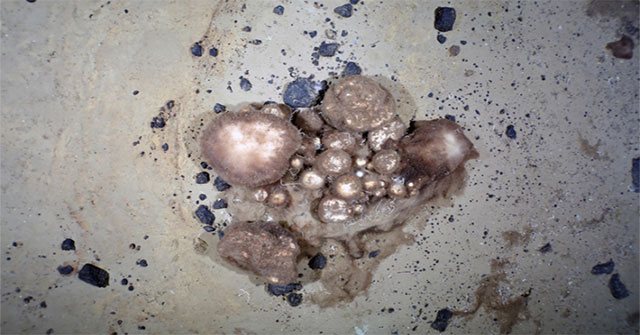
Thousands of sponges grow in ancient underground volcanoes under the Arctic Ocean by absorbing compounds abundantly from dead sea creatures.
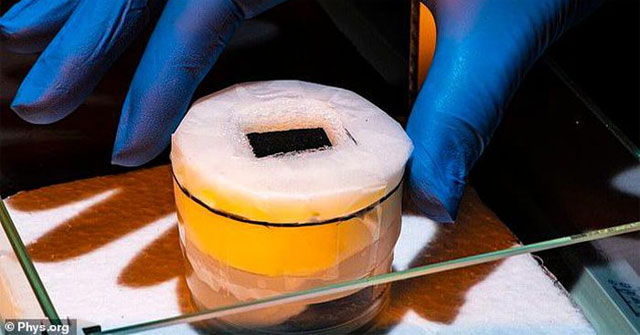
In addition to using it as fertilizer, researchers are using cow dung to filter seawater into pure fresh water.

Manzamine A, a natural product derived from certain groups of sponges, is thought to prevent the growth of cervical cancer cells.