Space science
Humans reach for the stars in 2024
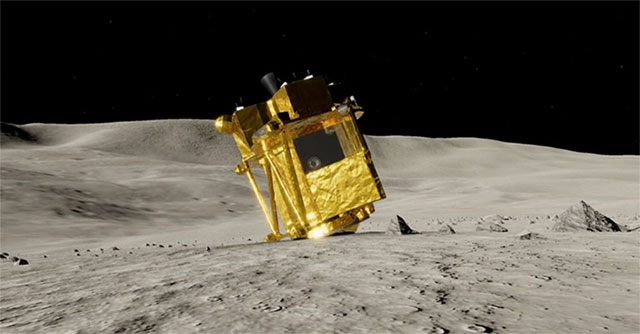
In 2024, space missions will no longer be limited to low Earth orbit and the Moon. We are aiming for bigger and further goals.
Browse ScienceInfo articles and explainers related to Star.
2,098 published items.
In 2024, space missions will no longer be limited to low Earth orbit and the Moon. We are aiming for bigger and further goals.

The ALMA radio observatory in Chile's deadly Atacama Desert has just collected incredible data from a pair of giant planets bound together in a single orbit.
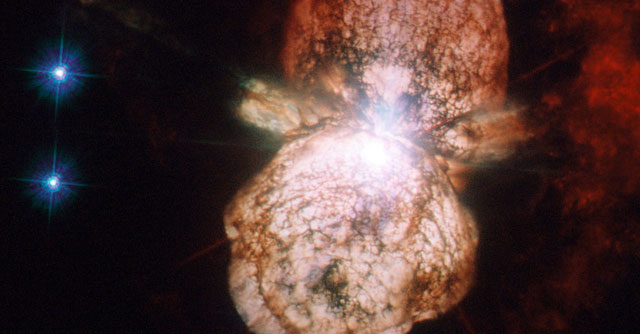
The answer is not simple and depends on the distance between the exploding star and our planet.
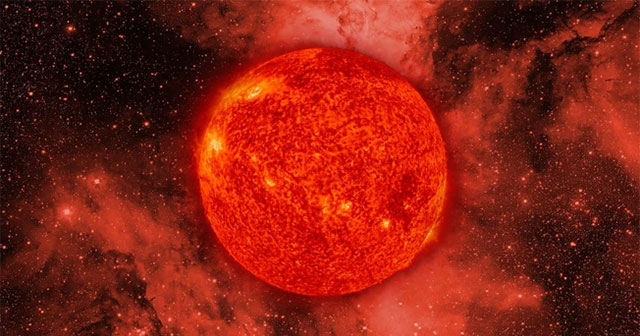
Nemesis is a hypothetical red dwarf star. The existence of this star has been proposed to explain a cyclical pattern in the rate of biological extinctions over geologic…
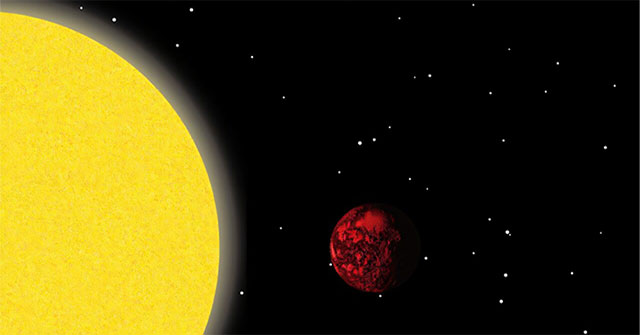
A lead-heavy exoplanet, possibly the leftover core of a giant sphere that flew too close to its sun, has just been discovered.
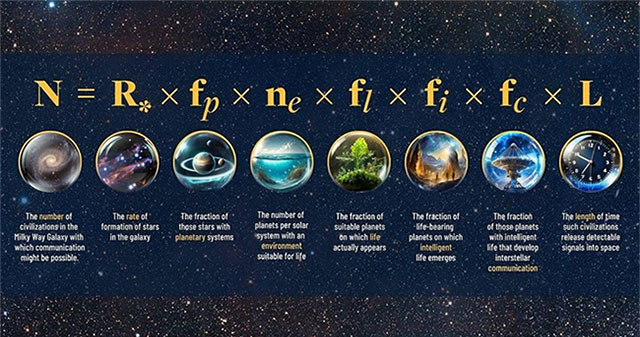
One of the greatest mysteries of existence, and also the most difficult to answer, is whether civilization on Earth is alone in the universe.

Dating back at least 3,600 years, the Nebra Sky Disk is considered the oldest astronomical map of cosmic phenomena.
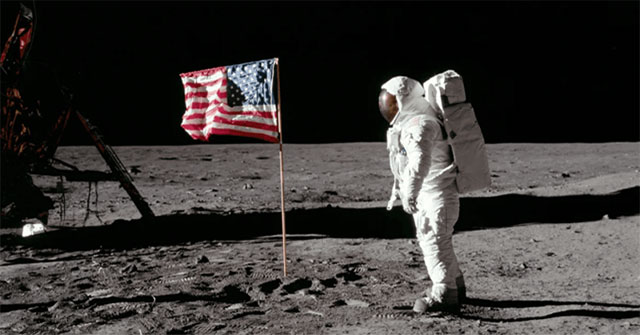
All NASA astronauts landed on the Moon during the day, when it was too bright to see stars with the naked eye, and they didn't intend to take pictures of the stars.
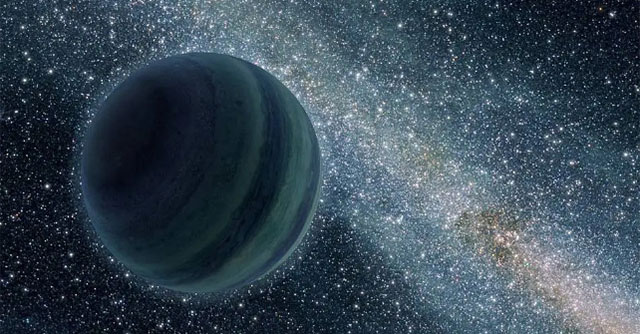
A new analysis suggests the Sun is likely to

Kepler-51 belongs to a class of giant worlds known by fairy-tale names like

The story of the prickly pear cactus begins in the arid south of Italy, where agriculture is facing unprecedented challenges.
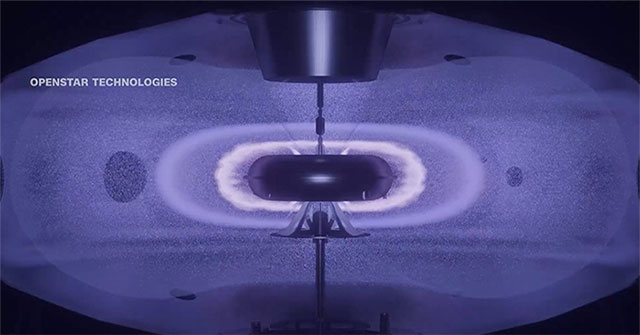
A New Zealand company is trying to recreate the energy of a star on Earth, using a new type of fusion reactor.

Long-lived civilizations may have many motives for wanting to move elsewhere in the galaxy.
Chinese scientists claim they have created a focused energy beam weapon.
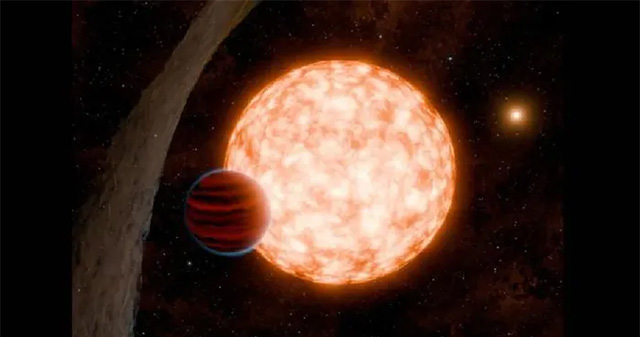
IRAS 04125+2902b is described as