Space science
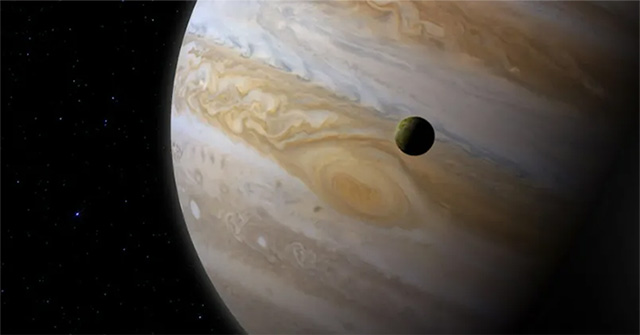
Why is Jupiter not considered a star?
'A star is a spherical object in the plasma form, emitting light and resisting gravity by itself through nuclear fusion in its interior.'
Browse ScienceInfo articles and explainers related to Sun.
1,901 published items.
'A star is a spherical object in the plasma form, emitting light and resisting gravity by itself through nuclear fusion in its interior.'

Now, astronomers are edging closer to uncovering one of the biggest mysteries in decades - the ninth planet in the Solar System - a giant planet, which may be orbiting t…
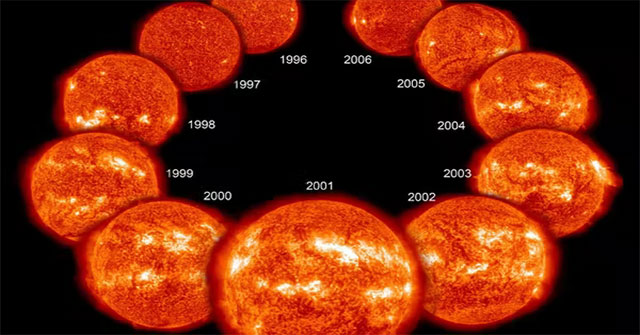
The 4-century mystery of a 70-year hiatus of the solar cycle is expected to be solved through the discovery of HD 166620, a star experiencing the same phenomenon.

Sun Yaoting (Sun Dieu Ting) is an eunuch working under the emperor Pu Yi who has revealed some great secrets about palace life.
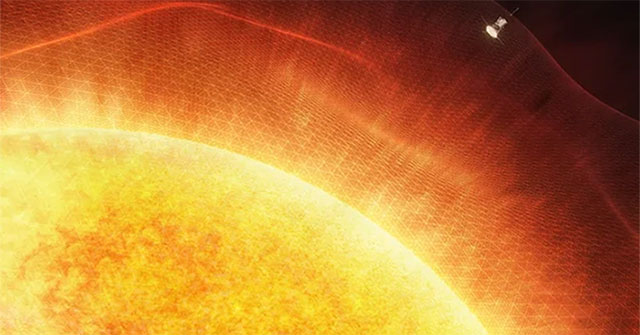
New discoveries of a type of wave called the HFR have challenged the fundamental laws of physics known to man until now, and hinted at possibilities we have not yet expl…
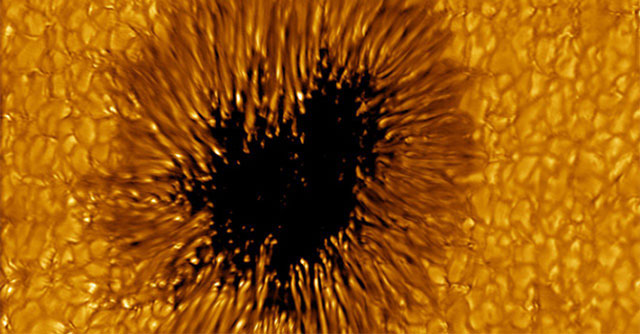
The world's largest solar telescope in Hawaii took pictures of a giant sunspot on the Sun at the end of February.

This discovery has created a sensation in Chinese archeology.
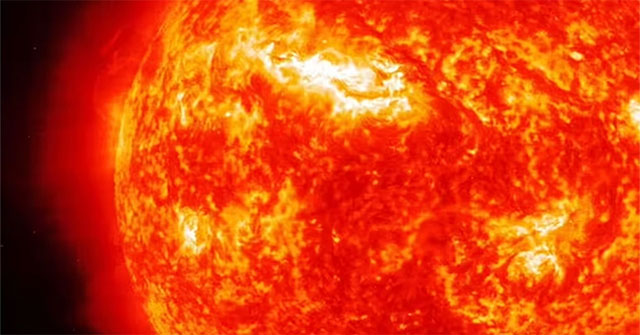
The sun has tremendous heat. But if you think that the closer to the Sun, the hotter, then you are wrong, because science has proven otherwise.
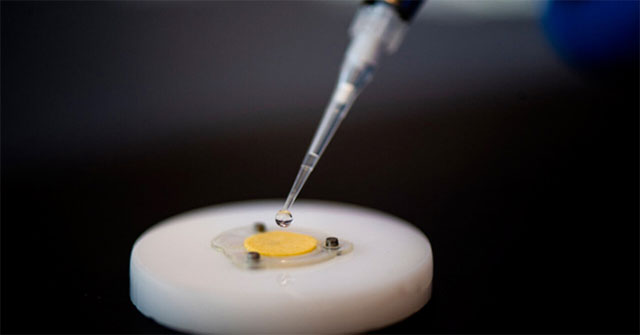
Tiny fingertip sensor that can be attached to clothing with the ability to change color to signal the time of safe exposure to the sun.
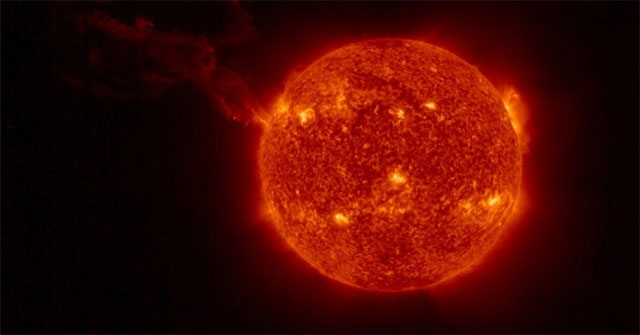
The Solar Orbiter of NASA and ESA tracks the eruption on the Sun's surface from a distance.
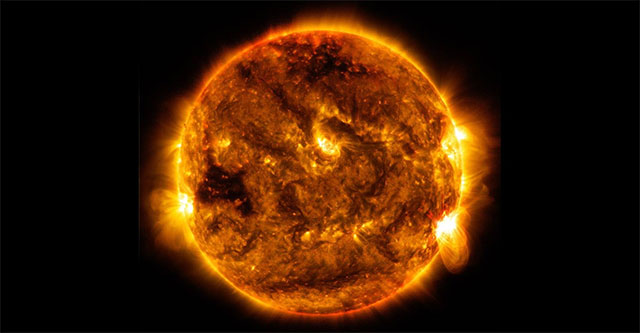
In addition to being a source of heat and light, the Sun affects the space environment in a variety of ways.
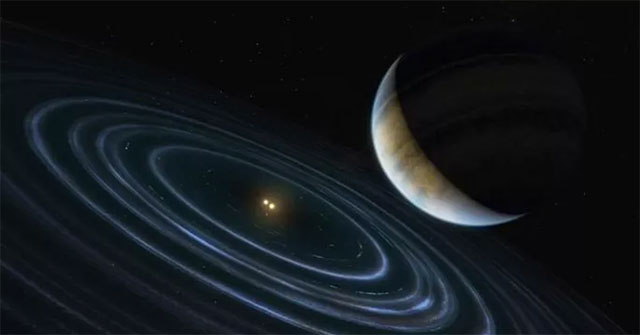
Many recent studies have completely flipped the portrait of the Solar System.

Dutch architecture firm MVRDV is partnering with Taiwanese power company Taipower to launch a unique clean energy project.
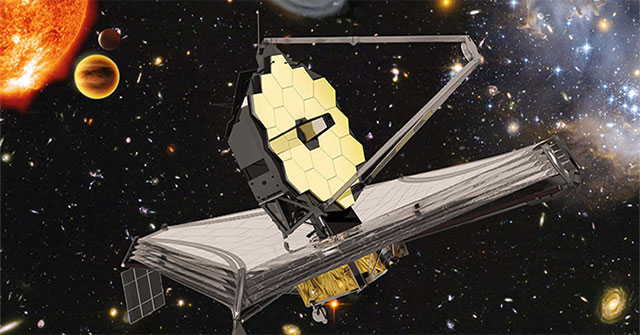
The James Webb Space Telescope has reached its final destination almost a month after it was launched into space.
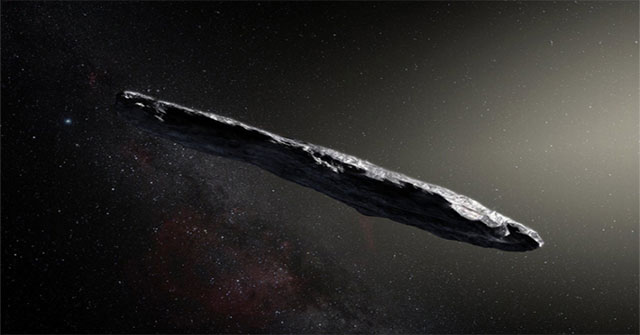
Experts plan to launch a ship using solar sail technology as early as 2028 to fly to study the asteroid 'Oumuamua.