Space science
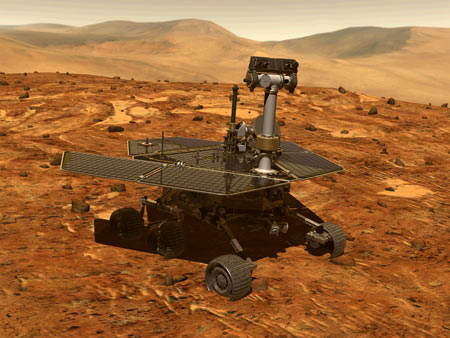
New hypothesis about the red of Mars
A new hypothesis suggests that Mars is not always red and explains why the planet is so red.
Browse ScienceInfo articles and explainers related to Surface.
1,629 published items.
A new hypothesis suggests that Mars is not always red and explains why the planet is so red.
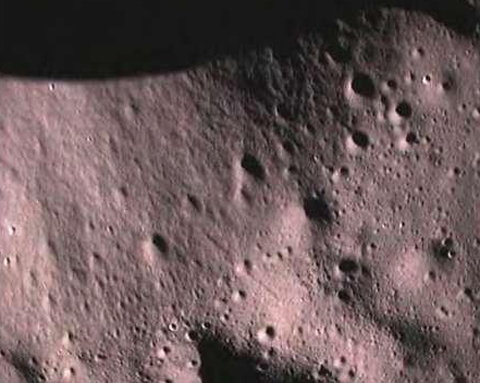
All communications with India's only satellite orbiting the moon's orbit have been cut off, the country's space agency said.
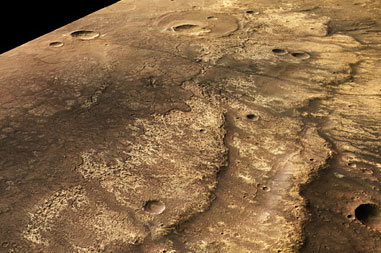
The methane on the red planet is created and disappears faster than methane on Earth, French scientists claim.
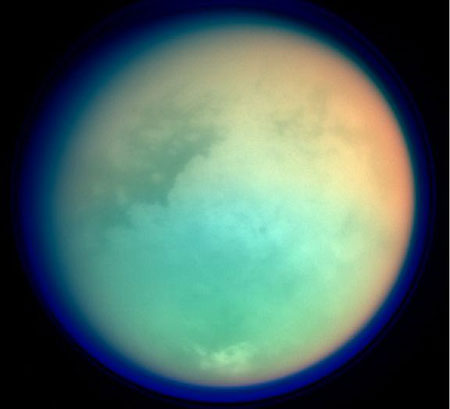
Some environmental conditions on Saturn's Titan satellite are very similar to Earth in the beginning of life.
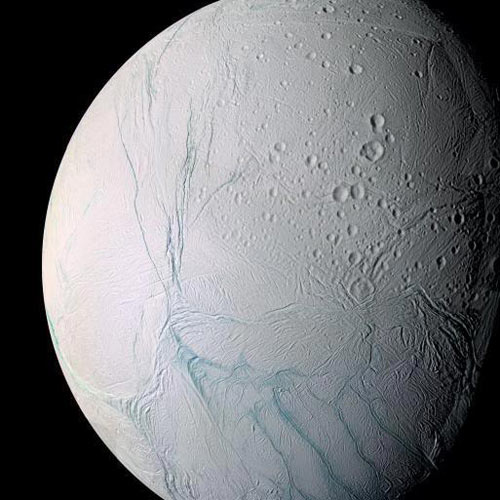
A recent study clarified the origin of tiger stripes and the ocean beneath the surface of Enceladus, one of Saturn's moons.
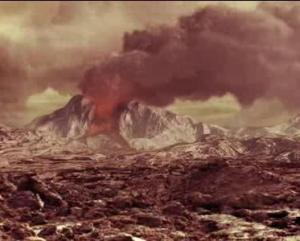
Venus Express has provided the first map of the infrared wavelength of the Southern Venusian hemisphere.
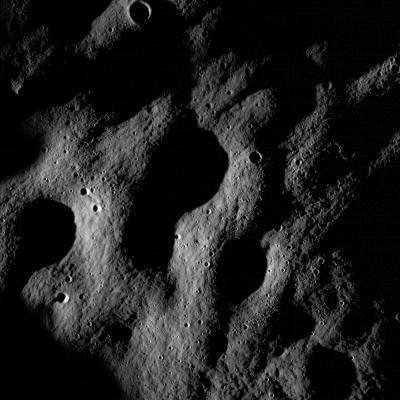
NASA's Lunar Reconnaissance Orbiter (LROC) camera captures and retrieves the first images of the Moon, beginning with the task of mapping the surface of the closest plan…
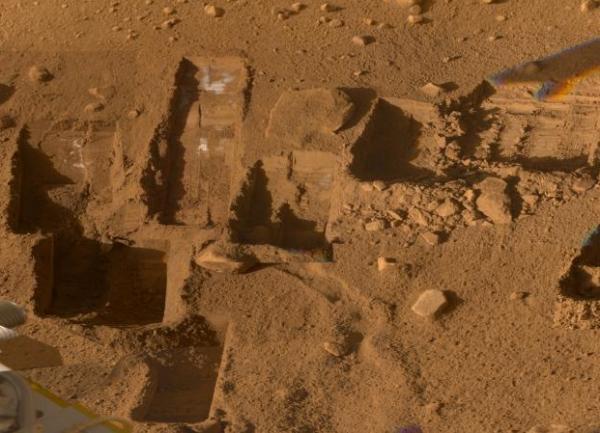
Scientists have released new details about Mars' water history from the Mars exploration mission of the Phoenix Mars (NASA), operated by the University of Arizona.

Scientists have found new evidence that a Saturn satellite has an ocean or saltwater lake beneath its frozen surface.
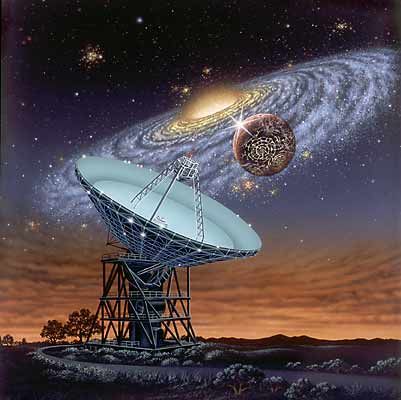
Things have changed since Secretary Kirk and Spock conducted a search for life and new civilizations.

Chinese space scientists claim that the country's astronaut will set foot on the moon as early as 2025.

The crust of the hidden crystals has 10 billion times the hardness of ordinary steel. This helps them create gravitational waves that we can detect from the earth.

Some American scientists believe that saltwater lakes can be located directly below the surface of the red planet.

The former 9th planet of the solar system possesses a completely opposite atmosphere to the Earth, meaning that the higher the temperature, the higher the air temperatur…

China's Hang Nga 1 satellite landed on the moon yesterday, ending its mission to explore the planet for 16 months.