Biology
Strange creatures can survive without oxygen
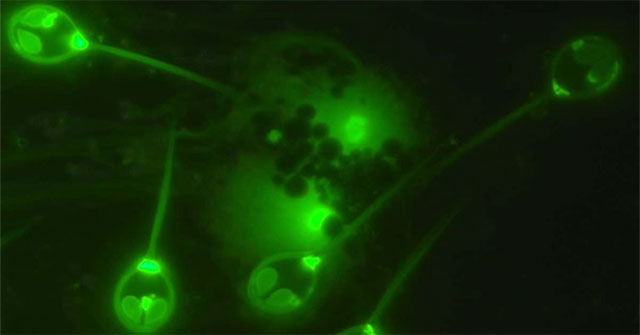
What powers microscopic organisms instead of oxygen remains a mystery that scientists have yet to uncover.
Browse ScienceInfo articles and explainers related to Survive.
372 published items.
What powers microscopic organisms instead of oxygen remains a mystery that scientists have yet to uncover.
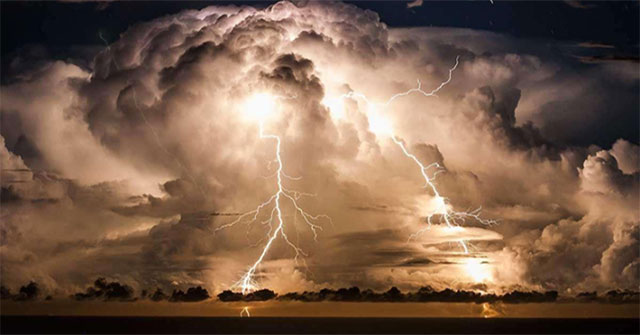
If sound were a million times faster - at the speed of light - humans would not be able to survive the terrifying impact of the sound waves.
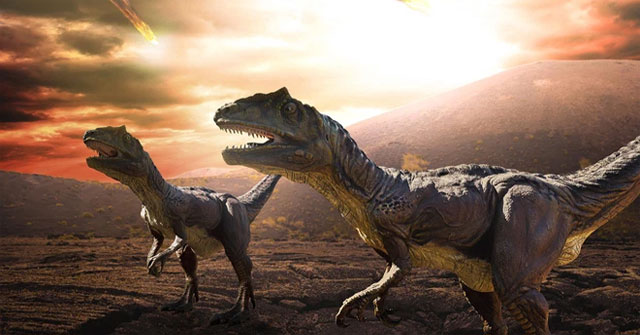
The meteorite does not spare any species, but the birds have found a way to live for themselves.
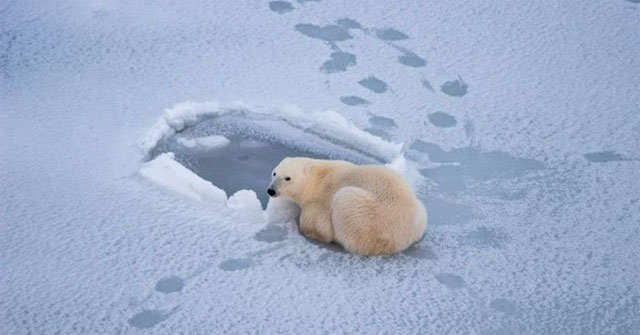
Many have cited the difference between the South Pole and the North Pole to demonstrate that polar bears are unsuited to the environmental conditions of Antarctica.

New research shows that ancient dogs adapted to the cold helped early humans survive in the Arctic more than 10,000 years ago.
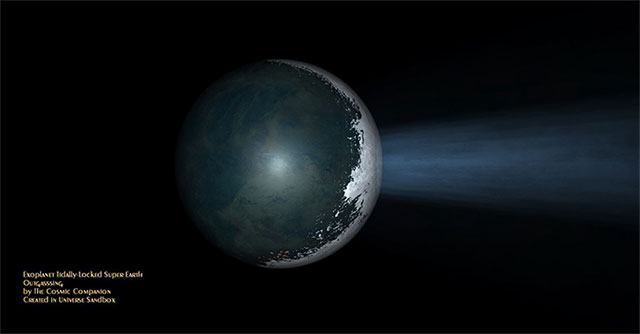
Dusty worlds like the desert planet Arrakis in the Dune novels are probably quite common in the universe. Some of them, which have large amounts of dust in the atmospher…
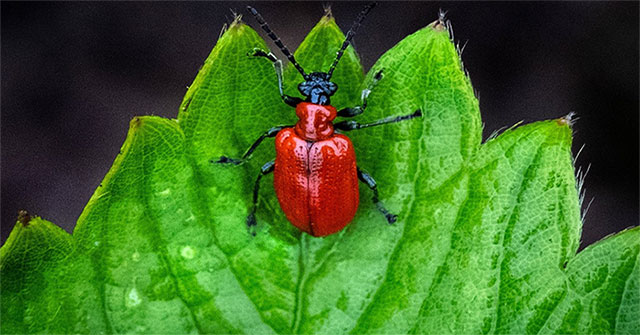
The plants in tropical forests have the ability to hide scents to avoid being detected and eaten by insects.
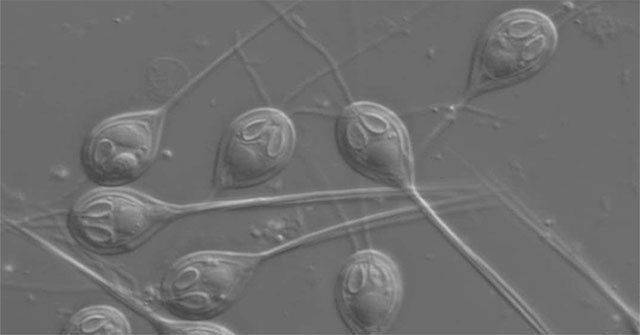
Scientists have discovered a jellyfish-like parasite that does not have a mitochondrial genome. That means he doesn't breathe and lives a life completely free of oxygen.
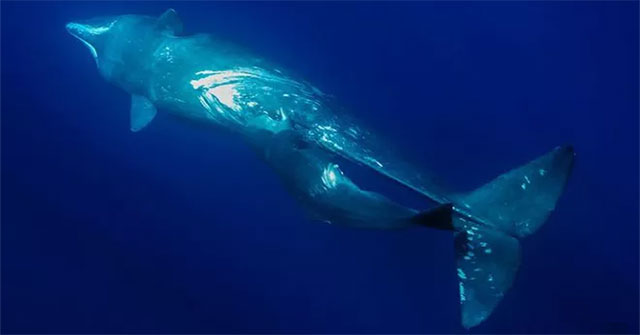
We all know that mammals are breast-fed, but whales live in the ocean, so it's hard to imagine how baby whales will breastfeed.
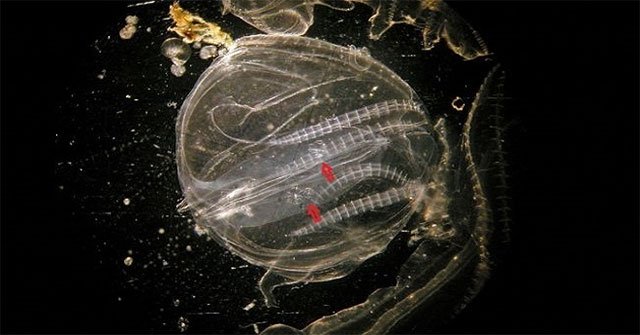
Thousands of invasive Leidyi jellyfish in the Baltic will begin to eat offspring in the late summer to survive a food shortage.

Crocodiles have been around for nearly 100 million years, thanks to their special biological characteristics and skills that help them adapt to climate change.
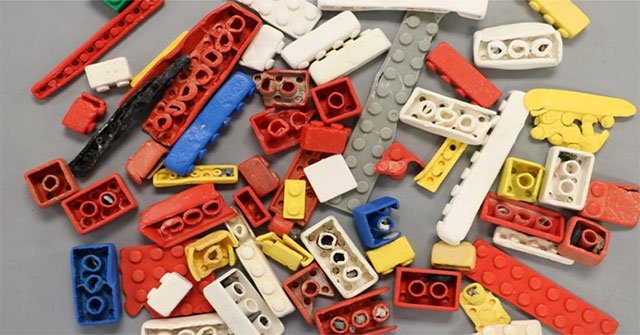
By measuring the weight of each LEGO toy brick found on the beach compared to the equivalent unused pieces, the researchers estimate that these items could exist in the…
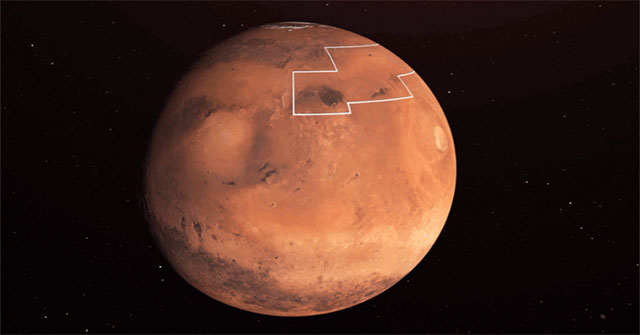
Scientists are hypothesizing that if there was life on Mars, it would likely be hidden inside deep underground caves.
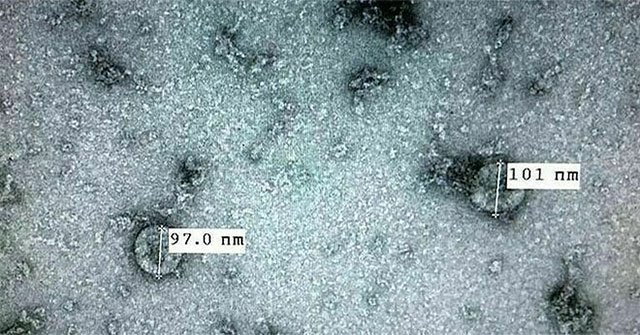
Viruses must invade cells to survive and multiply, if killed the virus, the body cells are also damaged.
One of the current concerns is how likely the new strain of corona virus will survive on an object's surface? How long is the time?