Space science
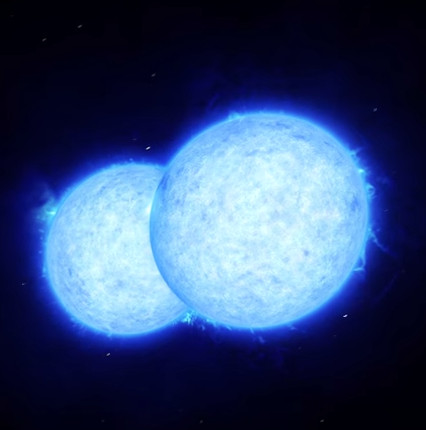
Images of 'farewell kisses' of two super big, super hot stars
VFTS 352 is a binary star system located in the Tarantula nebula, about 180,000 light-years from Earth.
Browse ScienceInfo articles and explainers related to System.
5,630 published items.
VFTS 352 is a binary star system located in the Tarantula nebula, about 180,000 light-years from Earth.
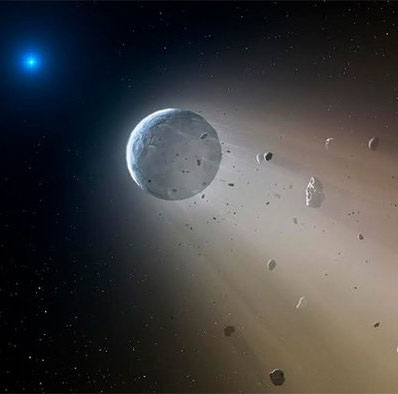
A white dwarf star - the remains of the dead gold star rotate and tear the planet near it, sparking the assumption that many similar planets are moving around the dwarf.
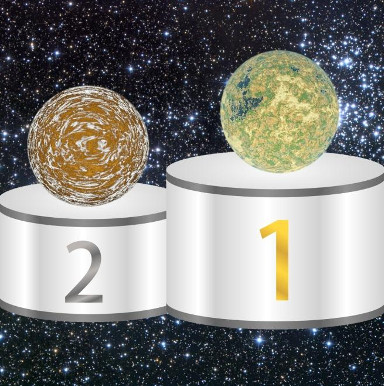
Astronomers have developed an index system of elements of a planet, helping to assess and classify the potential of life there.
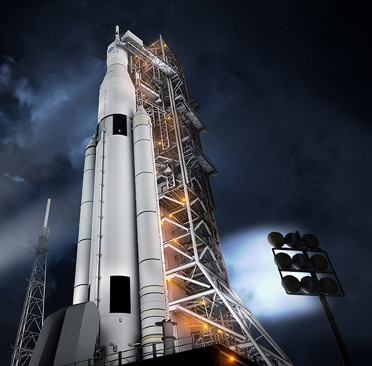
In the plan to bring people to Mars in the 2030s called Journey To Mars, the US Aerospace Agency (NASA) outlines support technologies that have the potential to grow in…

The vast solar system hides undiscovered things, especially its harshness, from storms with wind speeds of thousands of kilometers per hour, to geographic regions with t…
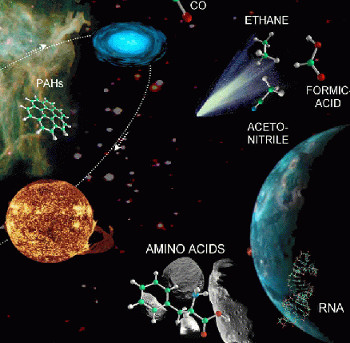
Some scientists believe comets carried the materials needed to form life on Earth about 4 billion years ago.

London's Natural History Museum exhibits the Ivuna comet debris dating back 4.6 billion years, probably bringing the foundational elements to the first life on Earth.
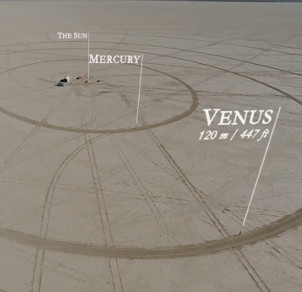
Two American filmmakers have built the solar system's microcosm in accordance with the actual size and distance ratio.

Last year, SpaceX said it was developing the Crew Dragon spacecraft to transport astronauts to the ISS international space station and now officially announced the first…
Do you often observe the sky at night, you will see the phenomenon: On cool summer nights, the number of stars in the sky seems more than the stars in winter, the cause…
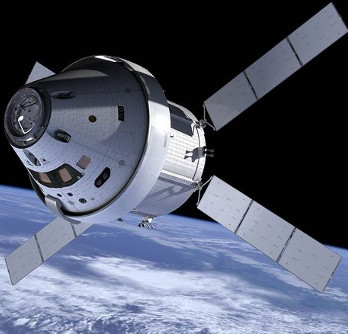
The US Aeronautics and Space Administration (NASA) decided to reverse the first flight carrying people onto the space shuttle Orion to 2023 due to difficulties arising d…

The Indian Space Research Organization (ISRO) launched the Mars research project in November 2013 at a cost of $ 74 million (compared to $ 671 million for NASA's Maven s…
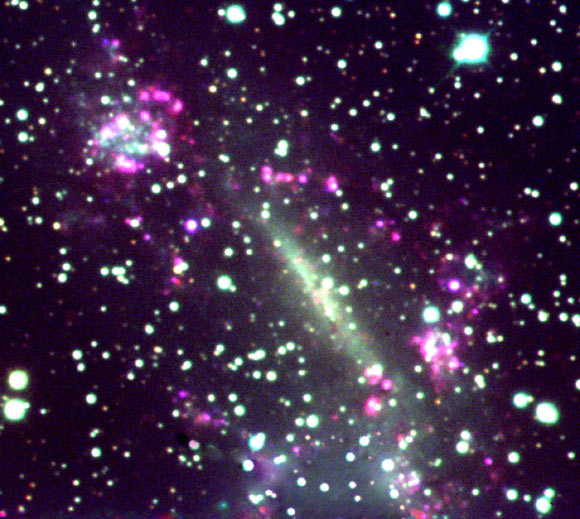
New astronomers discovered a mysterious circle of galaxies near our Milky Way Milky Way so far, only 30 million light-years away.
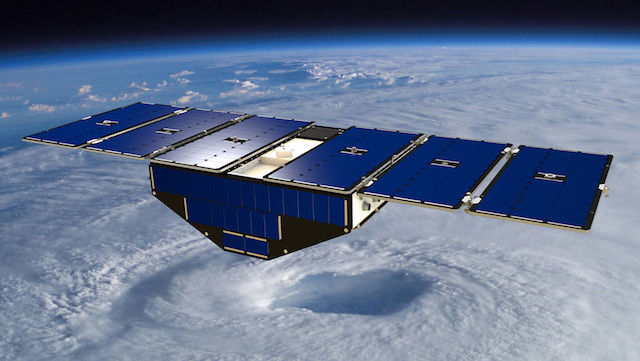
NASA is developing a satellite system called CYGNSS (Global Vortex Positioning Satellite System) to predict the path of major storms across the planet.
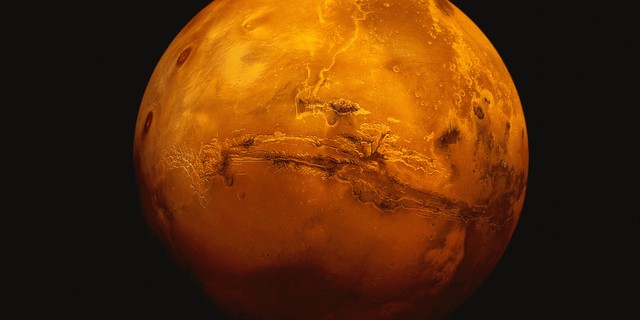
Although the space science has made many new advances, with the support of advanced technology, there are still mysteries that we cannot explain.